

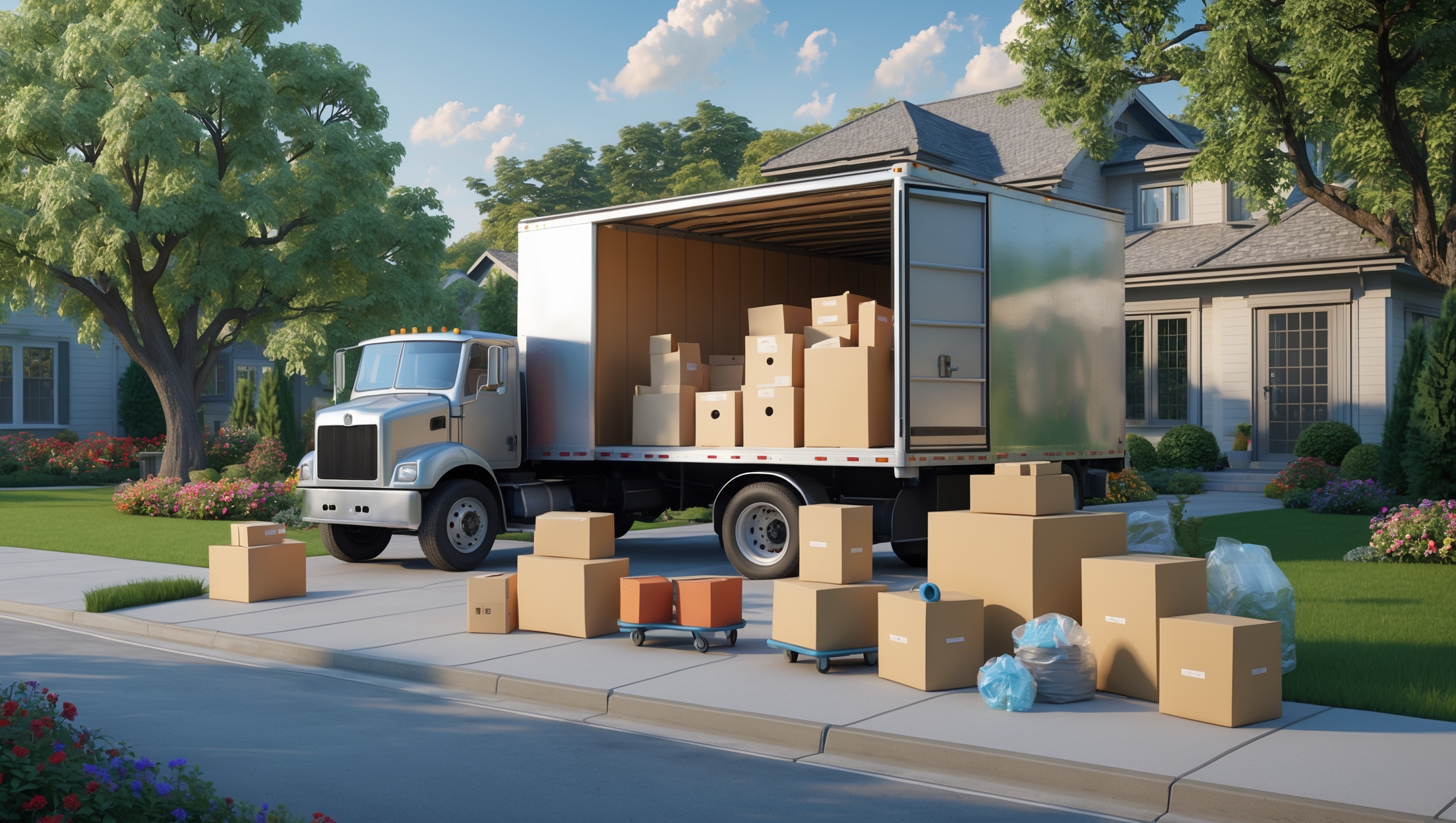
Introduction: Choosing Between Rental Trucks and Professional Movers
One of the most crucial decisions you’ll face during a move is whether to rent a moving truck and handle the job yourself, or to hire professional movers to do the heavy lifting. Both options come with unique advantages, challenges, and hidden costs that can significantly impact your moving experience and your budget. This isn’t a decision to take lightly: the choice between a do-it-yourself (DIY) move and bringing in the pros can determine how smoothly, safely, and affordably your relocation unfolds.
Many families and individuals instinctively gravitate toward DIY moves, lured by the promise of saving money. Others prefer to leave the logistics and labor to experts, valuing peace of mind above all. But what are the real costs, risks, and benefits of each approach? Are there scenarios where one truly outshines the other? In this comprehensive guide, we’ll break down rental trucks vs. professional movers through the lens of cost, convenience, risk, time, and the nuances that often go overlooked. We’ll share expert insights, hard numbers, and actionable advice to empower you to make the best choice for your situation—whether you’re moving a studio apartment across town or a four-bedroom home across the country.
Understanding Rental Trucks: What You’re Really Signing Up For
Types of Rental Trucks and Key Features
Rental truck companies offer a spectrum of vehicle sizes and models, from compact cargo vans to 26-foot trucks capable of hauling a full household’s worth of belongings. Key features typically include loading ramps, tie-down points, and sometimes basic moving equipment for an extra fee. Popular companies like U-Haul, Penske, and Budget dominate the market, but availability and vehicle condition can vary by location.
- Pickup trucks and cargo vans: Ideal for small, local moves or single-item transports.
- 10- to 12-foot trucks: Suitable for studio or small one-bedroom apartments.
- 16- to 20-foot trucks: Common choice for two- to three-bedroom moves.
- 24- to 26-foot trucks: Necessary for larger homes or long-distance relocations.
Cost Breakdown: What DIY Really Costs
On the surface, rental trucks appear cost-effective. However, the final bill is shaped by more than the advertised daily rate. Here’s a detailed breakdown of typical expenses:
- Base rental rate: Charged per day or per mile, depending on the company and move distance.
- Mileage fees: Local moves often incur a per-mile charge; long-distance moves may include a mileage cap.
- Fuel: You’re required to refill the tank to the starting level. Large trucks may get as low as 8-12 mpg.
- Insurance: Basic coverage is extra and often not comprehensive; personal auto policies rarely cover rental trucks.
- Equipment rental: Dollies, moving blankets, straps, and loading ramps may be add-ons.
- Taxes and environmental fees: Small charges that add up quickly.
- Hidden costs: Late return fees, cleaning fees, and additional driver surcharges.
It’s common for a DIY move that looks like a $200 rental to cost $500 or more once all extras are factored in, especially on longer moves.
Physical and Logistical Challenges
Driving a large, unfamiliar vehicle comes with risks and learning curves. Navigating narrow streets, backing into driveways, and dealing with low clearances can be intimidating and even dangerous for first-timers. Loading and unloading heavy furniture without professional help increases the risk of personal injury and property damage. Be honest about your comfort level with driving a truck and handling bulky items before committing to the DIY route.
The Professional Movers Advantage: What’s Included (and What’s Not)
Types of Moving Services
Professional movers offer a range of services to fit different needs and budgets:
- Full-service moves: Packing, loading, transport, unloading, and sometimes unpacking.
- Loading/unloading only: You pack and drive; the movers handle the labor at each end.
- Specialty services: Piano moving, fine art transport, or appliance disconnection/reconnection.
Cost Breakdown: Understanding the Estimate
Moving companies typically charge based on the weight of your shipment, the distance traveled, and the complexity of the move. Here’s what you can expect in your estimate:
- Base moving fee: Covers labor and transport.
- Hourly rates (for local moves): Usually a team of two or three movers, with a minimum number of hours.
- Additional services: Packing, storage, or specialty item handling.
- Insurance: Basic liability is included, but full-value protection costs extra.
- Travel fees: For moves outside the company’s primary service area or for long approach distances.
Professional moves can range from $500 for a small, local apartment to $5,000 or more for a cross-country family home. However, all labor, truck costs, and most equipment are typically included.
Convenience and Risk Reduction
The main advantage of professional movers is the reduction in physical and logistical stress. Experienced crews know how to efficiently pack, carry, and load items to maximize space and minimize damage. They’re also insured and licensed, providing recourse if something goes wrong. For complex moves, tight timelines, or when moving valuable or heavy items, the peace of mind can be well worth the price.
Comparing the Two: Key Considerations
1. Budget: Upfront vs. Hidden Costs
DIY rental trucks may appear hundreds or even thousands of dollars cheaper, but only if you:
- Have minimal belongings
- Move locally
- Don’t require storage or specialized equipment
- Avoid injury or damage
Professional movers seem more expensive, but include labor, insurance, equipment, and expertise. Always request written estimates and compare total costs—including your time, risk, and physical effort.
2. Time and Labor
Moving yourself can take days, especially if you’re not experienced or have a large household. Loading a truck efficiently is a skill. Professional movers can typically pack, load, and transport a home in a single day, freeing you to focus on other move-related tasks.
3. Liability and Insurance
With a rental truck, you are responsible for any accidents, injuries, or damage to property. Moving insurance is often limited and excludes many events. Professional moving companies offer, and sometimes require, liability coverage for your belongings and their employees.
4. Safety and Damage Prevention
DIY moves increase the risk of back injuries, falls, and property damage. Professionals use proper lifting techniques, have the right tools, and are trained to avoid common moving mishaps. If you have heavy, awkward, or valuable items, the risk of damage or injury can outweigh the savings of a DIY move.
5. Flexibility and Control
Renting a truck gives you total control over your schedule and packing process. If you value flexibility, this can be a big plus. Professional movers require more coordination and may have limited availability during peak moving seasons or on short notice.
Expert Scenarios: Which Option Fits Your Move?
Scenario 1: The Budget-Conscious Local Move
If you’re moving a small apartment across town, have several strong friends, and no specialty items, a rental truck is likely the most economical choice. Plan ahead to secure the right truck size and reserve necessary equipment. Be realistic about time and ask for help loading and unloading.
Scenario 2: The Family Home, Long-Distance Relocation
For interstate moves, the logistics, risks, and time involved increase exponentially. Professional movers can coordinate transport, navigate regulations, and offer insurance for the journey. You’ll pay more, but avoid the stress and physical burden of a cross-country drive.
Scenario 3: Downsizing or Special Circumstances
If you’re downsizing or moving out of a home with lots of fragile or bulky items, professional movers can provide the expertise and equipment necessary to avoid costly mistakes. Specialty services for items like pianos or antiques are well worth the investment.
Expert Tips for Making the Right Choice
- Get multiple quotes: Whether renting a truck or hiring movers, shop around for the best rates and services.
- Read reviews: Look for consistent feedback on reliability, hidden fees, and customer service.
- Check insurance: Never assume you’re covered—verify exactly what is and isn’t included.
- Book early: Trucks and movers are in high demand during summer, weekends, and at month’s end.
- Factor in your situation: Age, health, and schedule matter. Don’t underestimate the physical toll of moving yourself.
- Be honest about your needs: If you value convenience, safety, or have a tight timeline, the extra cost of professional help is often justified.
Hidden Pitfalls: Mistakes to Avoid with Each Option
Common DIY Rental Truck Errors
- Underestimating truck size: Choosing too small a truck leads to multiple trips or last-minute upgrades.
- Poor loading technique: Improperly loaded trucks are unsafe and can result in damaged goods.
- Ignoring insurance: Many renters skip insurance to save money, risking much larger losses if something goes wrong.
- Driving accidents: Inexperience with large vehicles can lead to costly fender-benders or property damage.
Professional Mover Missteps
- Not vetting companies: Unlicensed or uninsured movers can disappear with your deposit or goods.
- Inadequate inventory: Failing to provide an accurate item list results in surprise charges or service gaps.
- Ignoring fine print: Some companies have strict cancellation or rescheduling policies and extra fees for stairs, elevators, or bulky items.
- Not understanding insurance: Basic liability coverage is minimal; opt for full-value protection when necessary.
Frequently Asked Questions
Is it ever cheaper to hire movers than rent a truck?
In rare cases, such as long-distance moves with minimal belongings or heavy off-season discounts, professional movers could match or beat a DIY move—especially when factoring in fuel, equipment, and time costs. Always compare written estimates for your specific scenario.
What about portable moving containers?
Portable storage (like PODS) offers a hybrid approach: you load and unload, but the company handles transport. This can be a smart compromise for those who want to avoid driving a truck, though container costs can approach those of full-service movers.
Are there moves where DIY is simply not recommended?
Moves involving stairs, elevators, narrow hallways, or extremely heavy/valuable items are best left to professionals. The risk of injury or property damage is too high for untrained movers.
Conclusion: Making the Best Choice for Your Move
Choosing between a rental truck and professional movers is more than just a matter of dollars and cents. It’s a decision that affects your time, stress levels, safety, and the condition of your belongings. While the DIY approach can save money for small, local moves—particularly for those with help and experience—it comes with hidden costs, physical demands, and increased risk of injury or damage. For larger moves, long distances, or when convenience and peace of mind matter most, professional movers provide unmatched expertise, efficiency, and security.
No matter which path you choose, the key is to honestly assess your budget, timeline, health, and the complexity of your move. Factor in all costs—not just the price tag, but also your time, effort, and risk. Get multiple quotes, read reviews, and ensure you have the right insurance and equipment for your choice. If you opt for a rental truck, plan your route, recruit help, and use proper lifting techniques. If you hire movers, vet companies thoroughly and communicate your needs in detail.
Ultimately, the best move is the one that fits your unique situation, keeps your belongings safe, and gets you settled into your new home with minimal hassle. Use the expert insights in this guide to make an informed, confident decision—so your next move is your best move yet.
How do professional movers handle fragile or valuable items compared to a DIY move with a rental truck, and is there a big difference in how well things are protected?
Professional movers are trained to pack and handle fragile or valuable items using specialized materials and techniques, such as custom crating and padding. This often results in better protection compared to a DIY move, where packing might not be as secure or efficient. The difference can be significant, especially for items that are delicate or irreplaceable.
When considering rental truck options like U-Haul or Penske, are there hidden costs beyond the rental fee itself that families should budget for? I’d hate to be surprised by extra charges on moving day.
Absolutely, families should be aware of extra costs with rental trucks. Beyond the base rental fee, you may encounter charges for mileage, fuel, insurance, moving equipment like dollies or pads, late returns, and sometimes environmental or administrative fees. It’s wise to ask for a complete estimate and read the contract details before booking.
How do the costs and risks compare if I have some friends willing to help load a rental truck versus paying for a full-service moving company? Are there insurance or liability concerns I should keep in mind?
If friends help load a rental truck, you’ll save money but take on more risk. Rental trucks are cheaper upfront, but any damage or injury may not be covered by insurance. Full-service movers cost more, but they handle labor, liability, and insurance for your belongings and workers. Check your rental agreement and homeowners insurance for coverage details if you go the DIY route.
If I’m just moving a few large items locally, would renting a cargo van be more cost-effective, or are there hidden fees with rental trucks I should watch out for?
For a local move with just a few large items, renting a cargo van is often more cost-effective than a full-size rental truck. Be sure to check for extra charges like mileage fees, insurance, fuel, and whether you need to return the van with a full tank. These can add to the base rental cost.
Does the article address how insurance coverage works for potential damage when renting a truck compared to using professional movers? I’m trying to figure out which option gives better protection for my stuff.
Yes, the article explains that when you rent a truck, you’re usually responsible for getting your own insurance to cover damages, and coverage can vary. With professional movers, basic liability coverage is typically included, but you can also purchase additional insurance for more protection. Overall, professional movers often provide more built-in protection for your belongings, especially if you opt for extra insurance.
If I’m only moving a few heavy pieces of equipment across town, would using a pickup truck or cargo van from companies like U-Haul be more practical than hiring movers? Are the tie-down points on those rentals usually enough for secure transport?
For moving just a few heavy pieces across town, renting a pickup truck or cargo van is often more practical and cost-effective than hiring movers. Most rental trucks and vans from companies like U-Haul are equipped with multiple tie-down points to help secure your items, but be sure to bring extra straps or padding for added safety.
The article mentions convenience and risk—do professional movers typically handle disassembly and reassembly of furniture, or is that something I’d need to do myself even with the pros?
Professional movers usually offer disassembly and reassembly of furniture as part of their services, but it’s important to confirm this when you book. Some companies include it in the standard package, while others may charge an extra fee. Always check what’s covered so you’re not caught off guard on moving day.
If someone is moving across the country, is there a point at which hiring professional movers becomes more cost-effective than renting a truck, even if you’re only moving a two-bedroom apartment?
Yes, for cross-country moves, even with a two-bedroom apartment, hiring professional movers can become more cost-effective when you factor in fuel, lodging, time, and potential risks like damage or accidents. If your schedule is tight or you want to avoid the stress and hidden costs of a long drive, professionals might be the better value.
If I have a two-bedroom apartment and a tight timeline, would experts generally recommend hiring professionals or trying to do it myself with a rental truck for efficiency and safety?
With a two-bedroom apartment and a tight timeline, experts typically recommend hiring professional movers. Professionals can handle packing, heavy lifting, and transportation more efficiently and safely, especially under time constraints. This can help reduce stress, minimize the risk of injury, and ensure your move is completed on schedule.
For a cross-country move, would professional movers generally provide more peace of mind regarding potential damage or loss compared to renting a truck, especially if you have fragile items?
For a cross-country move with fragile items, professional movers usually offer more peace of mind than renting a truck. Their experience in packing and handling delicate belongings, along with insurance options, reduces the risk of damage or loss compared to doing it yourself.
How do hidden costs like insurance, fuel, or extra equipment rentals typically stack up when you rent a truck compared to what’s included with professional movers?
When renting a truck, costs for insurance, fuel, and extra equipment (like dollies or moving blankets) are often added separately, so your final bill can be quite a bit higher than the base rate. With professional movers, these items are usually bundled into your quote, making the pricing more transparent and predictable from the start.
The article mentions that rental trucks come with features like loading ramps and tie-down points, but do you typically have to pay extra for essential moving equipment like dollies or blankets?
Yes, while rental trucks often include loading ramps and tie-down points at no extra cost, you usually need to pay extra for moving equipment like dollies, furniture pads, or blankets. These items are typically offered as optional add-ons during the rental process.
How much time should I realistically budget for loading and unloading if I go with a rental truck instead of hiring a full moving crew?
For a typical two-bedroom apartment, you should budget about 2-4 hours to load the truck and another 2-3 hours to unload at your destination, depending on how much stuff you have, how prepared you are, and whether you have any help. Larger homes or less organized packing can add more time, so plan accordingly.
Do you have advice for making a DIY truck rental move less overwhelming, especially when it comes to loading and unloading with younger kids around?
To make a DIY truck rental move easier with young kids around, consider packing essential items and toys separately so they’re easily accessible. Arrange for a friend or family member to watch the kids during key loading and unloading times. Load heavier items first, keep pathways clear, and take breaks to avoid feeling rushed or overwhelmed.
As a business owner with a small office to relocate, how do rental truck companies typically handle insurance for delicate equipment, and is there a meaningful difference in liability coverage compared to professional movers?
Rental truck companies usually offer basic insurance, but it often doesn’t cover damage to your equipment during loading, unloading, or transit. Professional movers, on the other hand, typically provide liability coverage for your items, with options for full replacement value. This means you’re likely to get better protection for delicate office equipment if you use professional movers.
If I’m moving a two-bedroom apartment but have limited free time, does the guide give recommendations on which option makes more sense for people with tight schedules?
Yes, the article addresses situations where time is limited. It suggests that professional movers are generally a better choice for people with tight schedules, since they handle the heavy lifting, packing, and transportation, freeing you up to focus on other tasks. This can significantly reduce the amount of personal time needed for your move.
If I’m moving locally but have a lot of fragile items, would renting a truck and handling packing myself be riskier than hiring professionals, even if the distance isn’t far?
Handling fragile items yourself in a rental truck can be riskier, even for a short local move. Professionals are trained to pack and transport delicate belongings securely, reducing the chance of damage. If your priority is the safety of your fragile items, hiring movers could be a safer choice despite the short distance.
If you end up renting a truck, are there usually extra charges for moving equipment like dollies and furniture pads, or do most companies include those in the base rate?
Most rental truck companies do not include moving equipment like dollies and furniture pads in the base rate. These items are typically offered as optional add-ons, so you’ll usually pay an extra fee if you need them. It’s a good idea to check with the rental company ahead of time to see what’s included and reserve any equipment you might need.