

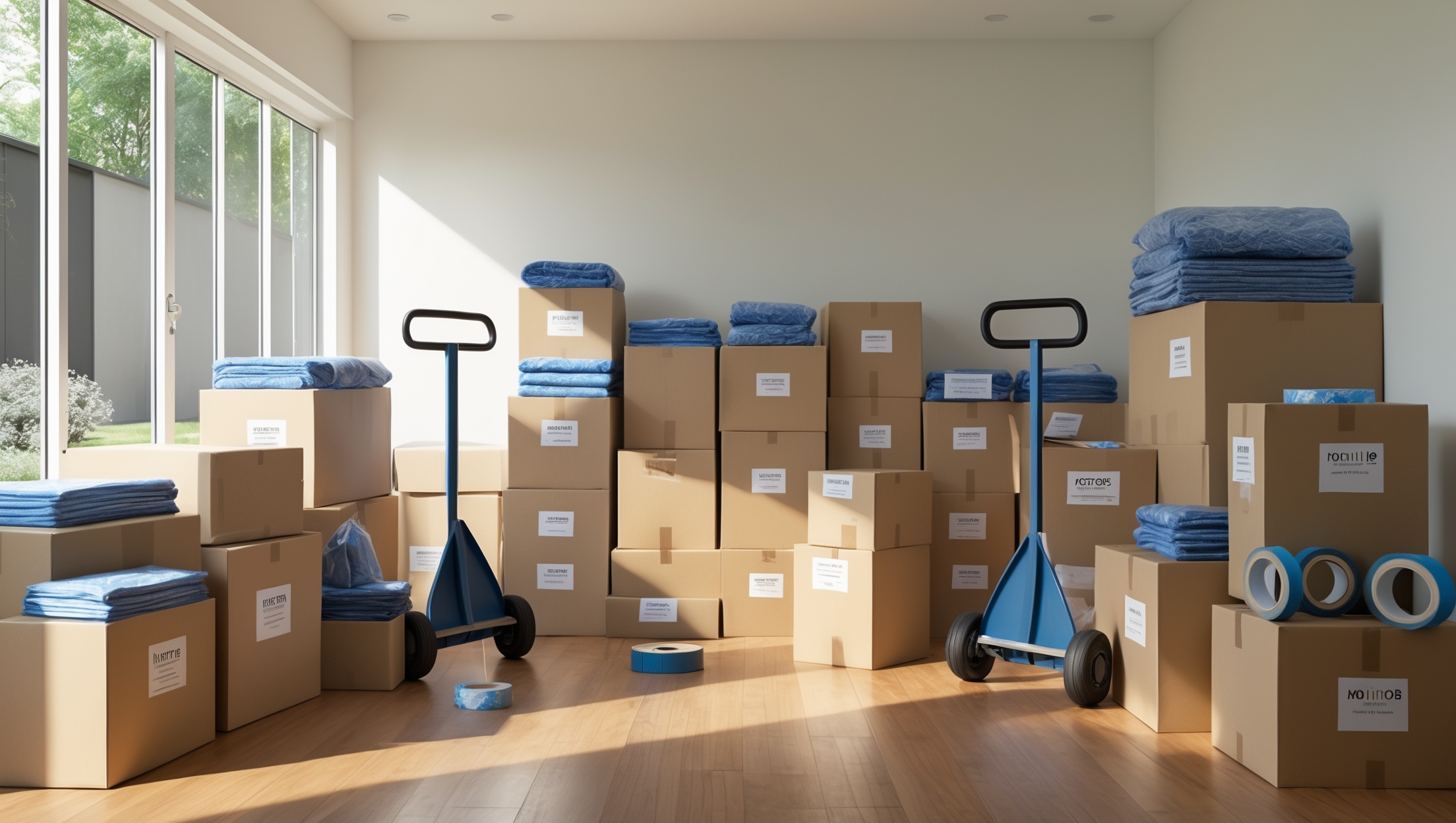
Introduction: Why Consider a DIY Move?
Moving to a new home is one of life’s most significant transitions. While hiring professional movers offers convenience, many people opt for a DIY move to save money, stay in control of their timeline, and customize the process to their unique needs. But taking the reins means you’ll confront a host of challenges, from budgeting and equipment rental to packing, logistics, and stress management. Without a strategic approach, it’s easy for DIY moves to spiral into expensive, exhausting ordeals. Fortunately, with expert planning and the right tactics, a self-managed move can be efficient, affordable, and even empowering. This guide delivers a comprehensive roadmap for organizing and executing your own move—covering budgeting, logistics, packing efficiency, and stress reduction—so you can relocate with confidence and peace of mind.
Budgeting for a DIY Move: Avoiding Hidden Costs
Assessing Your Moving Scope
Start by evaluating the distance, volume, and complexity of your move. Will you need a truck for a local relocation, or are you crossing state lines? Do you have specialty items like pianos or large appliances? This assessment will drive your budget and logistics.
Core Expenses to Anticipate
- Truck Rental: Prices vary by size, mileage, and rental duration. Factor in insurance, fuel, and drop-off fees.
- Packing Supplies: Boxes, tape, bubble wrap, moving blankets, and straps add up. Consider used boxes but don’t skimp on protection for fragile items.
- Equipment Rental: Hand trucks, dollies, and furniture sliders can save your back and your floors.
- Fuel and Tolls: Long-distance moves require careful estimates for gas and possible toll roads.
- Storage: If your move-out and move-in dates don’t line up, research storage unit costs and accessibility.
- Labor Help: Friends or family may help, but budget for professional day labor if needed—especially for heavy lifting.
- Meals and Refreshments: Keeping helpers fed and hydrated boosts morale and productivity.
Creating a Realistic Budget
Use a spreadsheet or budgeting app to track estimates and quotes. Always add a 10–15% buffer for unexpected expenses—such as last-minute equipment needs, extra packing materials, or extended rental hours.
DIY Move Logistics: Planning Like a Pro
Timeline Management
Building a detailed, week-by-week timeline is crucial. Start at least six weeks before your move date:
- 6 Weeks Out: Research and reserve your moving truck. Notify your landlord, schedule utility shutoff/start dates, and order packing supplies.
- 4 Weeks Out: Begin packing non-essentials and decluttering. Donate, sell, or recycle unwanted items.
- 2 Weeks Out: Confirm reservations, arrange helpers, and pack most belongings. Label boxes by room and contents.
- 1 Week Out: Pack essentials, prepare a “first night” box, and confirm moving day logistics with all involved parties.
- Moving Day: Double-check your plan, keep important documents accessible, and review your inventory checklist.
Truck Sizing and Reservation Tips
Truck sizes are often underestimated. Consult rental company guidelines and err on the side of caution—too small a truck can force multiple trips or damage belongings due to over-packing. Reserve early, especially during peak moving months (May–September).
Route Planning and Parking
Map your route in advance, considering road restrictions, tolls, and traffic patterns. For urban moves, research parking permits or restrictions at both locations. If possible, visit your new home’s street to assess truck access and unloading logistics.
Packing Like an Expert: Strategies for Efficiency and Safety
Decluttering Before You Pack
The less you move, the cheaper and easier your move will be. Systematically go through each room, separating items into keep, donate, sell, and discard categories. Organize a garage sale or schedule donation pickups early.
Packing Supplies: What You Really Need
- Sturdy Boxes: Use uniform sizes for easier stacking. Reinforce bottoms with extra tape.
- Protective Materials: Bubble wrap, packing paper, and moving blankets are essential for fragile items.
- Labels and Markers: Color-coded or room-specific labels speed up the process at your new place.
- Tools: Scissors, box cutters, and a toolkit for disassembling furniture.
Pro Packing Techniques
- Heavy Items in Small Boxes: Books, tools, and canned goods should go in compact boxes to prevent overloading.
- Light Items in Large Boxes: Use these for bedding, pillows, and clothing.
- Fill Gaps: Prevent shifting by stuffing boxes with towels or packing paper.
- Wrap Fragile Items: Each dish or glass should be individually wrapped. Mark boxes as “fragile.”
- Disassemble Furniture: Remove legs and hardware; store screws in labeled bags taped to the item.
- Inventory System: Number each box and keep a corresponding list of contents for quick retrieval and loss prevention.
Reducing Stress: Expert Strategies for a Calm Move
Delegate and Ask for Help
Don’t try to do everything yourself. Delegate specific tasks to family or friends—loading, cleaning, or watching kids/pets. If your network is limited, consider hiring professional loaders or cleaners for a few hours.
Prepare an Essentials Kit
Pack a box with must-haves: medications, toiletries, chargers, snacks, bedding, and a change of clothes. Include important documents and valuables. Keep this kit with you, not on the truck.
Self-Care on Moving Day
- Stay hydrated and schedule regular snack breaks.
- Dress in layers and wear closed-toe shoes with good grip.
- Plan for children and pets—arrange sitters or safe spaces away from the chaos.
- Build in buffer time for unforeseen hiccups—traffic, weather, or slow elevators.
Staying Organized
Keep checklists for each phase, from packing to cleaning and final walkthroughs. Use a moving app or digital planner for reminders and to track progress, receipts, and important contacts.
Loading and Transport: Safe and Secure
Loading the Truck Efficiently
- Heaviest Items First: Place appliances and furniture at the front (near the cab) to balance weight.
- Distribute Weight Evenly: Alternate heavy and light boxes across the floor to prevent shifting.
- Use Straps and Blankets: Secure furniture and fragile items with straps; wrap wood and glass with blankets to prevent scratches and breaks.
- Fill Vertical Space: Stack boxes to the ceiling, placing lighter boxes on top. Fill gaps with soft items.
- Protect Mattresses and Upholstery: Use covers or plastic wrap to shield against dirt and damage.
Driving a Rental Truck: Expert Tips
- Familiarize yourself with the truck’s controls before departure.
- Allow extra stopping distance and take turns slowly.
- Be aware of height restrictions—check bridge and parking garage clearances.
- Plan fuel stops in advance, especially for long routes.
Unloading and Settling In: The Final Stretch
Organized Unpacking
- Unload boxes by room, not randomly. Use your inventory list for tracking.
- Assemble essential furniture first—beds, tables, and seating.
- Unpack essentials box immediately for comfort and convenience.
- Prioritize kitchen, bathroom, and bedroom setup before decor and storage items.
Post-Move Checks
- Inspect your new home for damage or maintenance issues.
- Test all utilities and appliances—report issues promptly.
- Change locks for security.
- Update your address with the post office, banks, and other key contacts.
Conclusion: DIY Moves—Empowerment Through Preparation
Executing a DIY move is a major undertaking, but with careful planning and expert strategies, it’s entirely manageable—and even rewarding. From budgeting and logistics to packing methods and stress reduction, each phase demands attention to detail and proactive preparation. The key is to stay organized, anticipate challenges, and remain flexible. Investing in the right supplies and equipment, enlisting help when needed, and maintaining a positive, problem-solving mindset will pay dividends in both savings and satisfaction. Remember, the goal isn’t just to relocate your stuff, but to transition smoothly into the next chapter of your life. With the guidance in this comprehensive guide, you can tackle your move confidently, knowing you’ve covered every angle like a seasoned pro. Happy moving!
Do you have any suggestions for accurately estimating fuel costs for a cross-country DIY move, especially with fluctuating gas prices lately?
To estimate fuel costs, first calculate your moving truck’s average miles per gallon (MPG) and the total trip distance. Check recent average gas prices along your route, or use an online fuel calculator. Add at least 10–15% extra to account for price fluctuations and unexpected detours for a more accurate budget.
You mentioned factoring in insurance and potential drop-off fees for truck rentals. Can you clarify what types of insurance are considered essential for a DIY move and how to estimate the cost accurately?
Essential insurance for a DIY move usually includes collision damage waiver (CDW), liability coverage, and sometimes cargo coverage to protect your belongings. Prices vary by rental company and truck size but generally range from $15 to $30 per day for insurance. It’s best to ask the rental company for a full breakdown of available coverage and associated costs before booking.
When budgeting for a DIY move, how accurate do you find the truck rental estimates advertised online compared to the final bill, especially after adding in insurance and mileage fees?
Truck rental estimates you see online often cover just the base rate, so the final bill can be noticeably higher. Once you add insurance, mileage fees, fuel, equipment rentals, and sometimes taxes or environmental fees, the total usually exceeds the initial quote. It’s best to get a detailed breakdown from the rental company before booking to avoid surprises.
If my move-in and move-out dates don’t line up, do you recommend short-term commercial storage or portable containers? Which tends to be more cost-effective and flexible for small business inventory?
For small business inventory, portable containers are often more flexible because you can load at your own pace and have them delivered where needed. They can be cost-effective if you only need storage for a short time. Commercial storage is usually better if you need climate control or plan to access your items frequently, but it can come with extra handling and transport costs.