

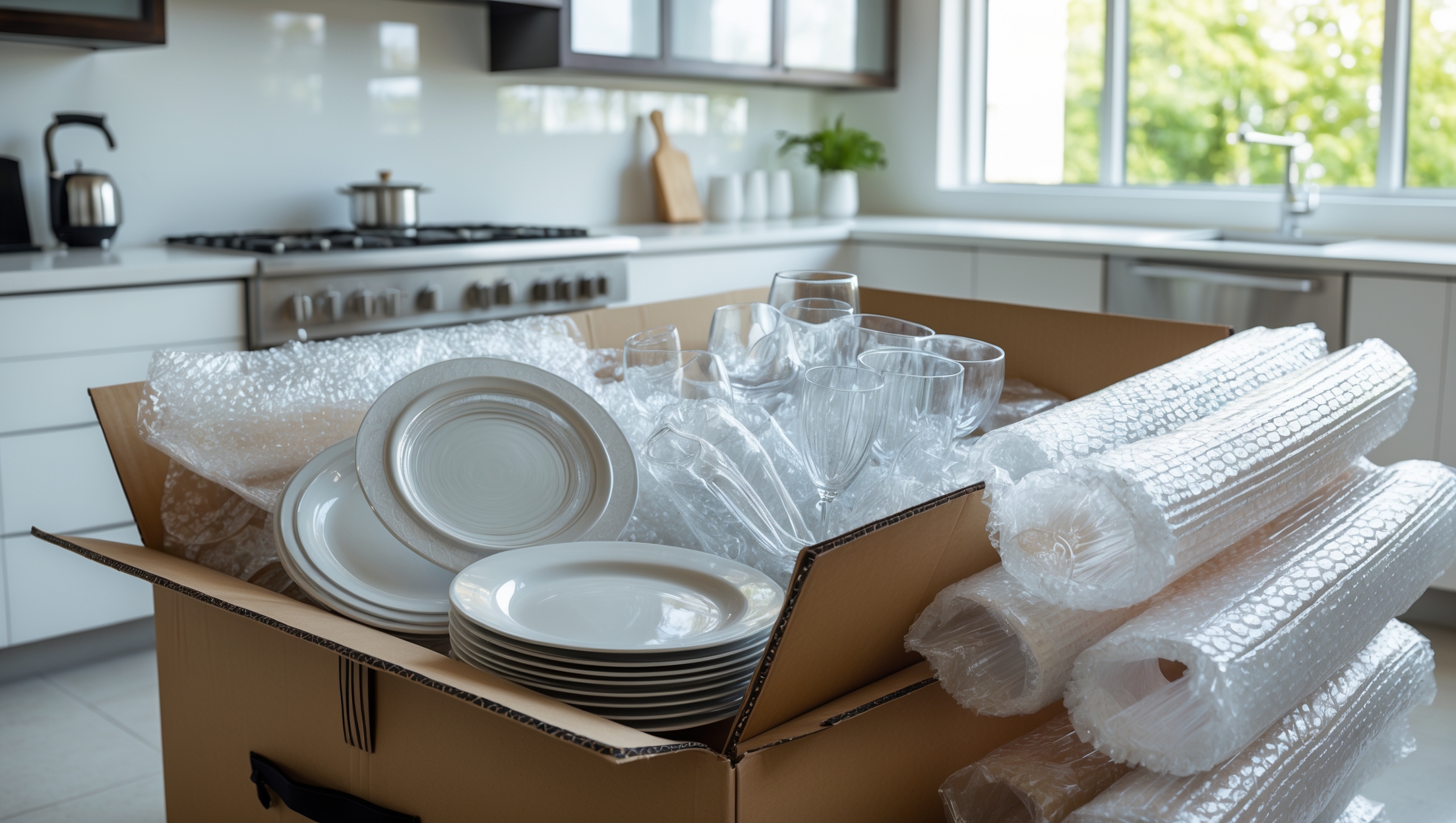
Introduction: Why Packing Fragile Kitchenware Is a Critical Moving Skill
One of the most anxiety-inducing aspects of any move is the prospect of opening a box of kitchenware at your new home only to discover shattered glassware, chipped plates, or dented cookware. Fragile kitchen items often represent both financial investment and sentimental value; they’re also among the most frequently damaged possessions during a move. The kitchen is typically one of the last rooms packed and the first unpacked—making it especially vulnerable to rushed packing and careless stacking. As experts in the moving industry, we’ve seen firsthand how the right packing techniques can mean the difference between a break-free move and a costly, frustrating mess. In this guide, we’ll unpack proven strategies, material recommendations, and step-by-step methods for securing your kitchen’s most delicate items. Whether you’re a first-time mover or a seasoned pro seeking next-level advice, this comprehensive post will empower you to protect your dishes, stemware, ceramics, and more like a professional. Read on for expert insight and actionable tips that will help keep your kitchenware intact and your move stress-free.
Choosing the Right Packing Materials: Invest in Protection
Essential Packing Materials for Fragile Kitchenware
- Sturdy, Double-Walled Boxes: Regular boxes may collapse or tear under weight. Opt for specialty dish packs or double-walled boxes for reinforced protection.
- Bubble Wrap: Provides superior cushioning for glass, ceramics, and delicate cookware.
- Packing Paper: Unprinted newsprint is ideal for wrapping and filling voids. Avoid newspaper, which can transfer ink.
- Cell Kits: Cardboard dividers that create individual compartments for glasses, mugs, or stemware.
- Foam Sheets or Pouches: Great for stacking plates or providing an extra layer between items.
- Stretch Plastic Wrap: Useful for bundling utensils or securing lids on pots and containers.
- Packing Tape: Choose heavy-duty, wide tape for sealing boxes securely.
- Permanent Markers and Labels: Critical for clear identification and handling instructions.
Pro Tips for Material Selection
- Don’t skimp on materials—skipping a $10 roll of bubble wrap can cost much more in breakage.
- Reuse materials from previous moves if undamaged, but avoid using worn-out boxes for fragile items.
- Consider specialty glassware or plate boxes for heirloom or particularly valuable items.
Preparation: Organize and Pre-Pack Your Kitchen
Declutter Before Packing
Start by systematically sorting through your kitchenware. Set aside items you no longer use, duplicates, or anything chipped or cracked. Donate, sell, or recycle these to lighten your load and focus your packing efforts on what matters most.
Group Items by Type and Fragility
- Sort dishes, bowls, cups, glasses, and cookware by material and size.
- Keep sets together to make unpacking easier and ensure uniform protection.
- Reserve the most robust dishes and pans for use in the final days before your move.
Step-by-Step Guide: Packing Plates, Bowls, and Serving Dishes
1. Prepare the Box
Assemble your double-walled box and reinforce the bottom with two layers of tape, running perpendicular for extra strength. Line the base with a thick cushion of crumpled packing paper or a layer of bubble wrap to absorb shock.
2. Wrap Each Item Individually
- Plates: Place a plate in the center of a sheet of packing paper. Fold corners over, then wrap with a second sheet for extra protection. For added security, use a foam sheet between stacked plates.
- Bowls: Stuff the interior with crumpled paper, then wrap as you would with plates.
- Serving Dishes: For large or odd-shaped serving pieces, use several layers of bubble wrap and secure with tape.
3. Stack Vertically, Not Flat
Place wrapped plates and bowls on their edges, not stacked flat, inside the box. This reduces the risk of pressure cracks and distributes force more evenly during transit.
4. Fill Gaps and Cushion Layers
- Use crumpled packing paper or bubble wrap to fill any empty spaces, preventing items from shifting.
- Place a layer of packing paper or foam between each layer of stacked items.
- Do not overpack; heavier boxes increase breakage risk and are harder to handle.
Glassware and Stemware: Maximum Protection Techniques
1. Use Cell Kits or Dividers
Insert a cardboard cell kit or divider into the box. These partitions prevent glasses from touching and reduce the chance of breakage from side collisions.
2. Wrap Each Glass Individually
- Fill the inside of the glass with crumpled packing paper to support the structure.
- Wrap the exterior in several sheets of packing paper or bubble wrap, tucking ends inside the glass.
- For stemware, pay special attention to the stem—wrap with an extra layer of bubble wrap.
3. Place Glasses Upright
Always place glasses and stemware upright (not on their sides or upside down) within their compartments. Fill empty cells with additional crumpled paper for a snug, immobile fit.
4. Double-Box for Valuables
For expensive or irreplaceable glassware, consider the double-boxing method: Place the wrapped items in a smaller box, cushion with packing material, then set that box inside a larger one with more padding around it.
Protecting Pots, Pans, and Odd-Shaped Kitchen Tools
Bundling Techniques
- Nest smaller pots or pans inside larger ones, placing a layer of packing paper or bubble wrap between each to prevent scratches and rattling.
- Secure lids to pots with stretch plastic wrap or tape to keep them together.
Wrapping Odd-Shaped Items
- For colanders, large utensils, or awkward tools, wrap with packing paper and fill gaps in their box with soft items like dish towels or oven mitts.
- Bundle long-handled utensils and tie with a rubber band before wrapping them together in paper or bubble wrap.
Packing Small Appliances Safely
Disassemble and Prepare
- Remove detachable parts, blades, and cords. Wrap each component separately.
- For appliances with glass or ceramic pieces (like coffee pots), wrap these as you would with glassware.
Use Original Packaging When Possible
If you’ve kept the original boxes and inserts, use them—they’re designed to protect the item during transport. If not, choose a box slightly larger than the appliance, cushion the bottom, and fill empty spaces with crumpled paper or foam.
Labelling and Handling Instructions: Communication Is Key
Clearly Mark All Fragile Boxes
- Label each box with its contents and write “FRAGILE” on multiple sides.
- Indicate “THIS SIDE UP” for boxes containing glassware or stemware.
- List the destination room (e.g., “Kitchen”) for efficient unloading.
Communicate With Movers
If hiring professional movers, point out your most delicate boxes and explain their importance. Consider color-coding or adding prominent stickers for high-priority handling.
Expert Tips for Loading Boxes Into the Moving Truck
- Always load fragile kitchenware on top of heavier, sturdier boxes—never underneath.
- Keep all kitchenware boxes together for efficient unloading and immediate kitchen setup.
- Secure boxes so they can’t shift in transit, using straps or additional padding as needed.
- Never leave fragile boxes in hot vehicles for long periods—extreme temperatures can weaken glass and adhesives.
Common Mistakes to Avoid When Packing Kitchenware
- Overfilling boxes, making them difficult to carry and more likely to be dropped.
- Leaving empty space in boxes, which allows for shifting and breakage.
- Packing heavy pans with delicate glasses or dishes in the same box.
- Using old or weak boxes that can collapse under weight.
- Forgetting to label boxes clearly, resulting in rough handling.
- Waiting until the last minute—rushed packing leads to careless handling and more damage.
Unpacking at Your New Home: Best Practices to Keep Items Safe
Inspect for Damage Immediately
Before unpacking, check each box for any signs of damage, wetness, or crushing. Photograph boxes if you suspect mishandling, especially if you need to make an insurance claim.
Unpack on a Soft Surface
Open fragile boxes on a padded table or counter. Place a towel or blanket underneath to catch any slips or drops.
Unpack in Order
- Start with essential items for immediate use (plates, mugs, utensils).
- Reassemble appliances only after you’ve located all components and checked for damage.
- Keep packing materials for a few days in case you need to repack or return items.
Conclusion: Secure Your Kitchenware and Your Peace of Mind
Successfully moving your fragile kitchenware isn’t just about wrapping items in paper and hoping for the best; it’s a process that requires planning, the right materials, and attention to detail at every stage. By following the expert techniques outlined in this guide—investing in sturdy packing materials, methodically wrapping each item, using proven box organization strategies, and labeling for careful handling—you dramatically reduce the risk of breakage and loss. These steps protect not only your financial investment but also the memories and comfort that your favorite dishes and glassware represent. Remember, the time and care you invest in packing your kitchen will pay dividends when you unpack at your new home with everything intact and ready for use. Whether you’re moving across town or across the country, mastering these packing strategies will help turn a stressful process into a manageable, even satisfying, experience. Take pride in a job well done, and enjoy settling into your new space with your kitchenware—and peace of mind—fully preserved.
Can you suggest any budget-friendly alternatives to double-walled boxes or specialty dish packs if I have a lot of kitchenware to move but want to keep costs down?
You can use sturdy, gently used boxes from grocery or liquor stores, as these are often quite strong. Reinforce the bottoms with extra tape. Cushion fragile items with towels, newspaper, or clothing instead of bubble wrap. Just make sure to wrap each item well and clearly label boxes as fragile.
I see you recommend avoiding regular boxes and using specialty dish packs instead. Have you noticed a big difference in breakage rates when people upgrade to those double-walled boxes, or can regular moving boxes work with enough padding?
Double-walled dish packs do make a noticeable difference, especially for heavy or delicate items, since they’re much sturdier than regular boxes. While generous padding in standard boxes does help, dish packs provide extra protection against crushing and bumps, so breakage rates are generally lower when people use them.
Can you clarify whether there’s a preferred method for packing oddly shaped kitchen items, like large mixing bowls or handled pitchers, that don’t fit easily into cell kits or standard dividers?
For items like large mixing bowls or handled pitchers, it’s best to wrap each piece thoroughly in packing paper or bubble wrap, paying extra attention to handles or protruding parts. Nest similar-shaped items if possible, separated with padding, and pack them in sturdy boxes with plenty of cushioning material around and between them to prevent movement.
If I’m short on time and need to pack up my kitchen quickly, which of the recommended materials should I absolutely not skip when packing fragile items?
If you’re in a hurry, don’t skip bubble wrap or packing paper and sturdy boxes. These materials provide essential cushioning and protection for fragile items. At the very least, wrap each item individually and fill empty spaces in boxes to prevent shifting during the move.
Is there any way to safely reuse regular boxes for fragile kitchenware if I’m on a tight student budget, or is double-walled always necessary?
You can safely reuse regular boxes for fragile kitchenware, especially if you’re on a budget. Just reinforce the boxes with extra packing tape, cushion the items well with towels, clothes, or crumpled paper, and avoid overpacking. Double-walled boxes add protection but aren’t strictly necessary if you pack carefully and label boxes as fragile.
If I’m packing my kitchen last and running out of time, do you have tips for making the process faster without risking a lot of breakage?
Speed up by grouping similar items and wrapping multiple small pieces together with plenty of packing paper. Use dish towels or clothes as extra padding. Pack heavier items on the bottom and fill empty spaces with soft materials to prevent shifting. Clearly label boxes as fragile so movers handle them with care.
I usually end up packing the kitchen last and always feel rushed. Are there any time-saving tricks to keep breakables safe without skimping on protection?
Packing fragile kitchenware can be quicker if you prep in advance. Keep packing materials like bubble wrap, paper, and boxes handy before starting. Try grouping similar items and wrapping them together when safe—like stacking plates with padding between each. Also, pre-pack less-used items days ahead so only essentials remain at the end.
You mention avoiding newspaper because the ink can transfer, but is it okay to use recycled packing paper or do I specifically need to buy new unprinted newsprint for wrapping kitchen stuff?
Recycled packing paper is a good alternative as long as it’s clean and free of ink or dyes that could transfer onto your kitchenware. You don’t have to buy new unprinted newsprint specifically, just make sure whatever paper you use is plain and ink-free for best protection.
If I need to pack my kitchen last minute and am short on time, which of these protective materials would you prioritize to prevent breakage for glassware and plates?
If you’re packing last minute, prioritize using bubble wrap and sturdy packing paper for your glassware and plates. Bubble wrap offers excellent cushioning, while packing paper helps prevent scratches. Make sure to fill empty spaces in boxes with crumpled paper or towels to minimize movement.
Is there a safe way to use regular single-walled boxes if I can’t find double-walled ones, or is that too risky for fragile glassware?
You can use single-walled boxes for fragile glassware if you add extra padding and reinforcement. Line the box with plenty of crumpled paper or bubble wrap, cushion each item individually, and fill all gaps. Reinforce the bottom and sides of the box with packing tape for extra strength. Keep the box weight manageable and label it as fragile.
Are there any affordable alternatives to cell kits for students moving on a tight budget, or can regular cardboard dividers work just as well to protect glassware?
You can definitely use regular cardboard dividers as a budget-friendly alternative to cell kits. Just make sure the dividers fit snugly inside the box and wrap each glass with newspaper, dish towels, or bubble wrap for extra cushioning. Packing tightly helps prevent movement and reduces the risk of breakage.
When packing up the kitchen last, how do you keep track of what essentials to leave out for daily use right up to moving day without risking leaving something fragile unpacked by mistake?
To avoid leaving fragile items unpacked by mistake, make a list of daily kitchen essentials before packing starts. Place these aside in a clearly marked box or bin labeled “Essentials – Do Not Pack.” As you pack, double-check the list and pack everything else. This way, only what you actually need remains out, and nothing fragile is forgotten.
Do you have any advice for packing fragile kitchenware quickly and efficiently when moving on a tight deadline, without sacrificing the safety of delicate items?
Absolutely. Use plenty of packing paper or bubble wrap and group similar-shaped items together to save time. Place plates vertically in boxes, cushion all gaps, and use dish towels or clothes for extra padding. Label boxes as fragile, and avoid overpacking to keep your kitchenware safe during a rushed move.
Is there a big difference between using double-walled boxes and regular moving boxes if I’m only transporting a small amount of fragile glassware across town?
Double-walled boxes provide more protection because they’re sturdier and better at absorbing shocks. For a short move with just a few fragile items, regular moving boxes can work if you pack carefully with plenty of padding, but double-walled boxes do offer extra peace of mind against bumps and drops.
Is there a big difference in protection between regular boxes and those double-walled boxes or specialty dish packs you mention? I’m trying to decide if it’s worth spending more since I have a lot of breakable items.
Double-walled boxes and specialty dish packs offer significantly better protection than regular boxes, especially for fragile items. They’re sturdier and absorb shocks better, which really reduces the risk of breakage. If you have many breakables, investing in these boxes is usually worth the extra cost for peace of mind during your move.