

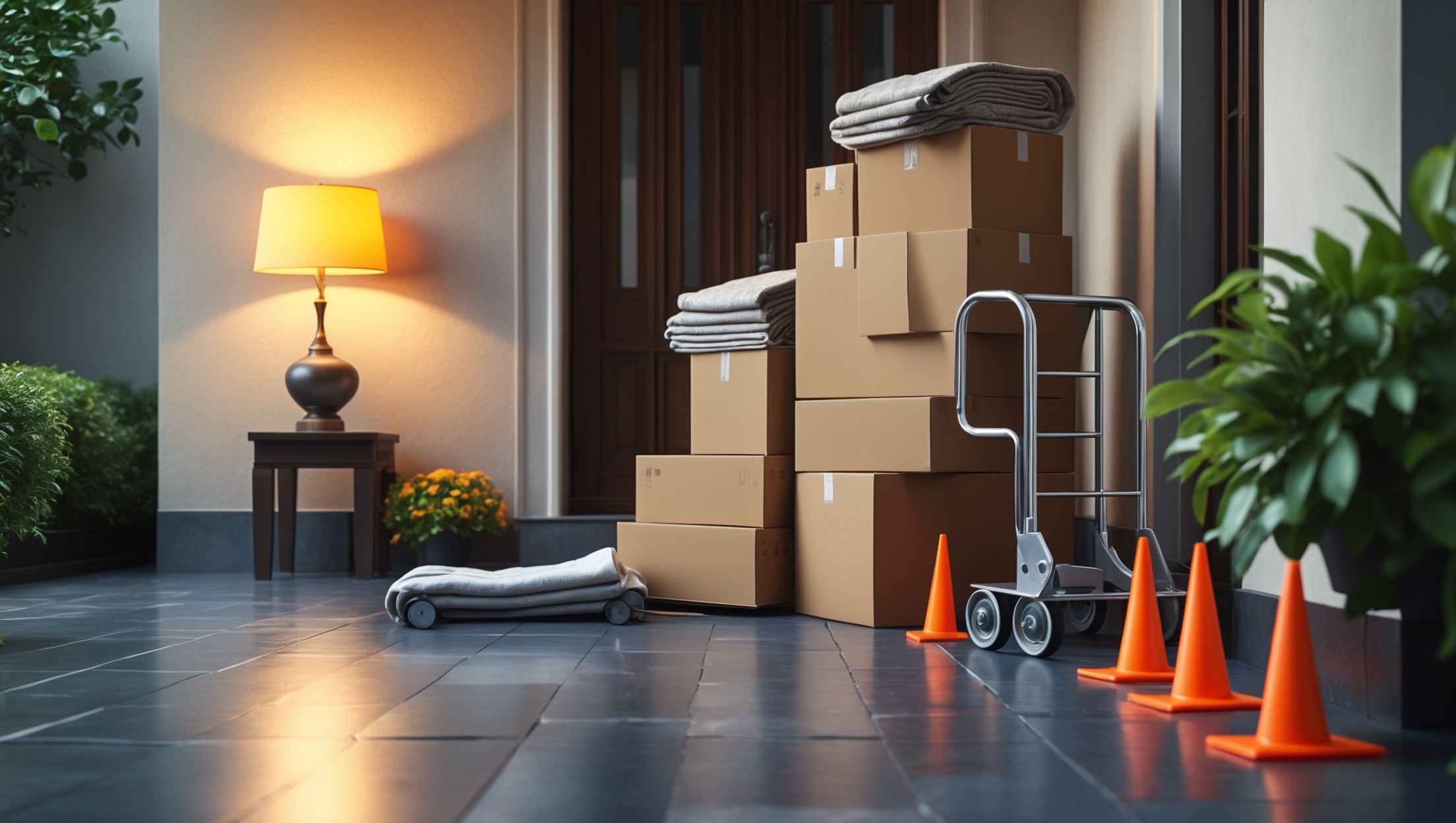
Introduction: Why Moving Day Safety Matters More Than You Think
Moving day is a high-energy event packed with excitement, anticipation, and—if you’re not careful—unexpected hazards. While the focus often lands on logistics and organization, the risk of personal injury and property damage can turn a promising transition into a costly ordeal. According to industry statistics, thousands of preventable injuries occur each year during household moves, ranging from minor strains to serious accidents. Yet, with the right preparation and a detailed safety checklist, you can dramatically reduce your risk. This expert-approved guide delivers actionable steps, pro-level safety tips, and a comprehensive checklist designed to keep you, your helpers, and your belongings safe from start to finish. Whether you’re tackling the move yourself or overseeing hired professionals, these guidelines will help you navigate moving day confidently and securely.
Pre-Move Safety Preparation
Assess Your Environment
- Clear Pathways: Walk all routes you’ll use for moving items. Remove rugs, cords, toys, shoes, and clutter that could cause trips or falls.
- Check Surfaces: Ensure floors, stairs, and outdoor walkways are dry and free from debris. Use non-slip mats on slick surfaces.
- Lighting: Replace burnt-out bulbs and add temporary lights to dim areas, especially stairwells, garages, and basements.
- Weather Readiness: For rain, snow, or ice, have salt, sand, or tarps ready to improve traction and keep walkways dry.
Personal Protective Gear
- Gloves: Choose snug-fitting, non-slip gloves to protect hands from cuts, splinters, and heavy loads.
- Supportive Footwear: Wear closed-toe shoes with non-skid soles—no sandals or flip-flops. Steel-toe boots are ideal for heavy items.
- Back Support: Consider a lumbar support belt if you have a history of back issues or anticipate heavy lifting.
- Eye Protection: Use safety glasses when disassembling furniture or working in dusty areas.
Communication and Roles
- Pre-Move Briefing: Gather all helpers and review the safety plan. Assign roles based on physical ability and experience.
- Emergency Contacts: Post a list of emergency numbers and the nearest urgent care location on the fridge or command center.
- Plan for Kids & Pets: Designate a safe room or arrange off-site care to keep children and animals away from the action.
Essential Equipment for a Safe Move
Must-Have Tools
- Dollies & Hand Trucks: Use for heavy or bulky items to reduce strain and prevent dropping.
- Moving Straps: Forearm forklifts or lifting straps help distribute weight and improve leverage.
- Furniture Sliders: Place under heavy furniture to glide across floors without lifting or scratching surfaces.
- Protective Padding: Moving blankets and corner guards prevent both injury and property damage.
- Ramps: Portable ramps bridge steps or curbs, especially useful for dollies or carts.
- First Aid Kit: Fully stocked with bandages, antiseptics, and ice packs, and placed in an accessible location.
Proper Equipment Use
- Dollies: Always tilt the dolly toward you and keep the load balanced. Secure boxes with straps.
- Straps: Follow manufacturer instructions to prevent slippage or overloading.
- Ramps: Check weight ratings and secure ramps to prevent shifting during use.
Packing and Lifting: Techniques That Prevent Injury
Smart Packing
- Box Weight: Limit boxes to 50 lbs or less. Use small boxes for books and heavy items, large boxes for lighter, bulky belongings.
- Balanced Loads: Distribute weight evenly. Avoid top-heavy boxes that can tip over or strain your back.
- Proper Sealing: Double-tape the bottoms and reinforce corners to prevent box collapse.
- Labeling: Clearly mark boxes as “Fragile” or “Heavy” to guide safe handling.
Safe Lifting Techniques
- Lift with Your Legs: Squat, keep your back straight, and use leg muscles to lift. Don’t bend at the waist or twist while carrying.
- Keep Items Close: Hold loads close to your body to maintain balance and reduce strain.
- Team Lifting: For oversized or unwieldy items, always use two or more people. Communicate movements and lift in unison.
- Take Breaks: Fatigue increases injury risk. Schedule short breaks for water and stretching every hour.
Loading and Unloading the Moving Truck
Truck Placement and Access
- Position Carefully: Park as close as possible to the entrance, on level ground, and avoid blocking fire hydrants or driveways.
- Secure Ramps: Attach securely to the truck and check for stability before use.
- Traffic Control: Use cones or signs to alert drivers and pedestrians around your loading zone.
Safe Loading Practices
- Heaviest Items First: Load appliances and furniture against the wall closest to the cab.
- Stack Strategically: Place lighter boxes on top of heavy ones. Fill gaps with soft items to prevent shifting.
- Use Tie-Downs: Secure large items with straps or ropes to prevent movement during transit.
- Stay Hydrated: Keep water accessible in the truck and take regular hydration breaks, especially in hot weather.
Unloading Safely
- Reverse the Order: Unload in the reverse order of loading to maintain truck balance.
- Watch Your Step: Check for shifting loads before opening truck doors and use caution stepping out of the truck or off ramps.
- Inspect Pathways: Before carrying items inside, ensure all indoor and outdoor paths are still clear and well-lit.
Managing Common Hazards During the Move
Stairs and Elevators
- One at a Time: Don’t overload stairways. Only one person or item on each flight at a time to prevent crowding and mishaps.
- Use Spotters: Assign someone to guide and support on stairs or when maneuvering large items through tight spaces.
- Elevator Etiquette: Reserve the elevator if possible. Don’t exceed posted weight limits and keep doors clear.
Heavy and Awkward Items
- Disassemble When Possible: Take apart bed frames, tables, and other bulky pieces to reduce weight and injury risk.
- Protect Sharp Edges: Wrap corners and protrusions with padding or bubble wrap.
- Plan Your Route: Measure doorways and stairwells in advance to avoid getting stuck or needing to backtrack while carrying.
Chemicals and Hazardous Materials
- Read Labels: Do not transport flammable, corrosive, or hazardous materials in the moving truck.
- Dispose Properly: Take old paint, gasoline, cleaning agents, and similar items to a local hazardous waste facility.
- Store Safely: Keep cleaning supplies and sharp tools in clearly marked, sealed containers.
First Aid and Emergency Readiness
First Aid Basics
- Treat Minor Injuries: Clean and bandage cuts, apply ice to bruises and strains, and monitor for signs of more serious injury.
- Rest and Recover: If someone suffers a back strain or sprain, stop all lifting and provide rest.
When to Seek Help
- Call 911: For severe injuries such as broken bones, head trauma, or chest pain.
- Urgent Care: For sprains, deep cuts, or if pain persists after initial first aid.
Emergency Plans
- Fire Extinguisher: Place in an accessible spot in case of electrical or kitchen fires during the move.
- Evacuation Route: Know your exits and keep them clear at all times.
- Communication: Designate a meeting spot outside in case of emergency evacuation.
Post-Move Safety: Preventing Accidents After Unpacking
Debris and Disposal
- Box Breakdown: Flatten and stack empty boxes away from walkways to prevent tripping.
- Tool Storage: Immediately store moving tools, blades, and sharp objects out of reach of children and pets.
- Proper Disposal: Arrange for pickup or recycling of packing materials to keep your new home clutter-free and safe.
Home Safety Checks
- Smoke Detectors: Test and install batteries if needed.
- Fire Extinguisher: Place one on each level of your home, especially near the kitchen and garage.
- Emergency Exits: Ensure all doors and windows open easily and aren’t blocked by furniture or boxes.
Expert Checklist: Moving Day Safety at a Glance
- Clear and secure all pathways, indoors and out
- Wear appropriate protective gear
- Brief all helpers on safety procedures and roles
- Use proper moving equipment and check its condition
- Pack boxes with manageable weight and clear labeling
- Lift with legs, not back—never twist or rush
- Take regular hydration and rest breaks
- Secure truck ramps and loading zones
- Have a first aid kit and emergency contacts handy
- Dispose of debris and store tools safely after the move
Conclusion: Move with Confidence and Care
Moving day isn’t just about getting your belongings from point A to point B—it’s about ensuring everyone involved arrives safely, too. Ignoring safety can lead to injuries, damaged property, and a stressful start in your new home. By following this expert-approved safety checklist, you’ll create an environment where accidents are far less likely and everyone knows their role. Remember, most moving-related injuries are preventable with the right preparation, equipment, and mindset. Don’t rush: prioritize clear communication, use proper tools, and take the time to set up safe pathways and loading zones. If you’re moving with children or pets, extra precautions and a designated safe space are non-negotiable. Be proactive about first aid and emergency readiness, and don’t forget to keep pathways clear even after you’re done unloading. By taking these steps, you not only protect yourself and your helpers but also safeguard your new home and possessions. Here’s to a smooth, safe, and successful move—one where your only surprises are happy ones!
If I’m overseeing a move on a rainy day, how can I best balance keeping indoor floors dry with keeping the crew safe and not tracking in mud or ice melt residue?
To keep floors dry and safe, place heavy-duty mats both outside and just inside each entrance. Assign someone to routinely wipe up water and mud. Use non-slip runners in high-traffic areas and provide shoe covers or ask the crew to change into clean shoes indoors if possible. This way, you minimize mess and help prevent slips.
If the weather turns bad on moving day, what’s the best way to keep walkways safe and dry? Does salt work for both rain and snow, or should I keep something else on hand just in case?
To keep walkways safe during rain, use non-slip mats or tarps to prevent slipping and reduce mud. For snow or ice, spreading salt works well to melt ice, but it won’t help with rain. It’s smart to also keep a broom or shovel handy for clearing snow, and towels to wipe up puddles inside.
Do you have any tips for making sure temporary lighting solutions don’t create extra tripping hazards, especially in crowded hallways or older buildings?
To prevent tripping hazards with temporary lighting, use cord covers or tape to secure any loose cables flat against the floor or along walls. Opt for battery-powered lights when possible to avoid cords altogether. Position lights at the edges of hallways rather than in walking paths, and keep pathways clear of clutter to minimize risks.
You mention using steel-toe boots for heavy items. Is there a big safety difference between those and regular sneakers if I’m just moving standard boxes rather than large furniture?
If you’re only moving standard boxes that aren’t especially heavy, regular sneakers with good support and traction should be sufficient. Steel-toe boots are mainly important when handling large, heavy furniture or appliances that could cause serious foot injuries if dropped. For lighter tasks, focus on sturdy, closed-toe shoes to stay safe.
If I’m moving heavy items myself and have a past back injury, how do I know if a lumbar support belt is truly necessary, or are there alternative precautions I should take based on your checklist?
If you have a history of back injury, using a lumbar support belt can help, but it’s not the only precaution. Our checklist also stresses getting help for heavy lifting, using proper lifting techniques, and taking breaks. If you’re unsure about needing a belt, consider your doctor’s advice and always listen to your body during the move.
For a small retail shop move, do you have tips on what type of non-slip mats work best for protecting both employees and flooring surfaces, especially if we’re moving in rainy weather?
For a retail shop move in rainy weather, look for heavy-duty rubber-backed non-slip mats. These stay in place even when wet and provide good traction for employees. Choose mats with beveled edges to prevent tripping, and make sure they’re long enough to cover main walkways and entryways to protect the floors from moisture and dirt.