

Introduction: Why the Right Moving Equipment Matters
When planning a move, most people focus on packing strategies and transportation logistics. But the unsung hero of a smooth relocation is often the moving equipment itself. The right tools not only protect your belongings from damage but also minimize physical strain, prevent injuries, and shave hours off your schedule. Yet, many movers—both first-timers and those with a few moves under their belt—overlook the importance of choosing, renting, and using moving equipment effectively. This oversight can lead to costly damage, wasted effort, and unnecessary expenses.
Renting moving equipment is a smart way to access professional-grade tools without the steep upfront investment. However, the rental process comes with its own set of considerations: understanding what you truly need, knowing how to operate the equipment safely, and avoiding the common pitfalls that can turn a cost-saving measure into a budget buster. In this guide, we’ll share expert advice on mastering moving equipment rentals—from selecting the best tools for your specific move to maximizing their efficiency on moving day. Whether you’re moving a studio apartment across town or a four-bedroom home across state lines, these insights will empower you to move smarter, safer, and more cost-effectively.
Understanding Your Equipment Needs
Assessing the Scope of Your Move
Every move is different, and the required equipment varies accordingly. Begin by making a detailed inventory of your belongings, focusing on:
- Size and weight of large furniture (sofas, beds, dressers)
- Appliances (refrigerators, washers, ovens)
- Number and type of boxes
- Specialty items (pianos, safes, artwork, gym equipment)
This assessment will guide your equipment selection, ensuring you rent only what you need—no more, no less.
Essential Equipment Categories
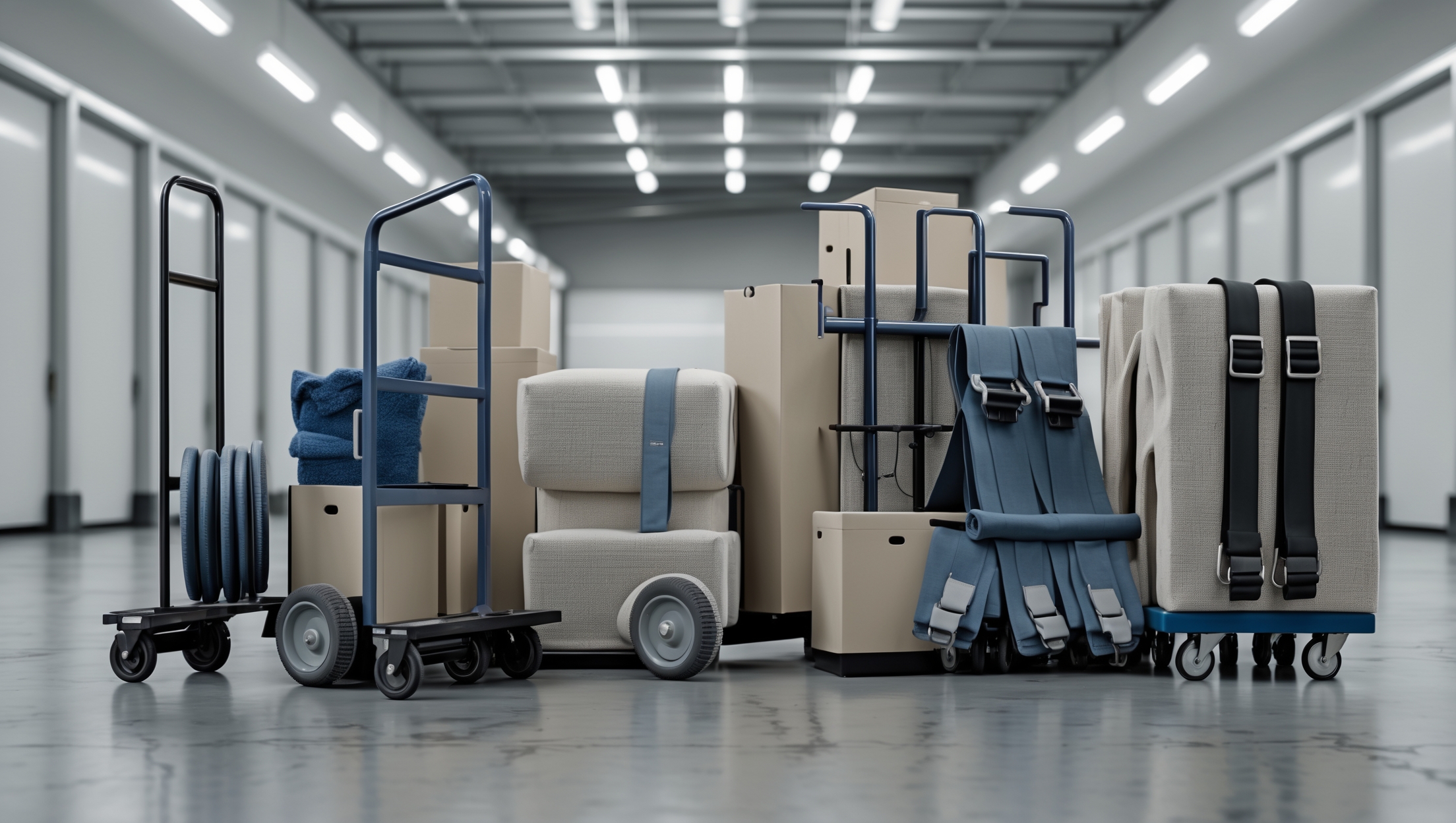
- Hand Trucks/Dollies: For moving stacked boxes and heavy items with minimal effort.
- Furniture Sliders: To protect floors and ease the movement of bulky pieces.
- Moving Blankets/Pads: Crucial for protecting furniture and appliances from scratches and dents.
- Straps and Tie-Downs: For securing items during transport, preventing shifting and breakage.
- Appliance Dollies: Specifically designed for safe transport of refrigerators, washers, and similar items.
- Ramps: Essential for loading and unloading heavy items from moving trucks.
- Toolkits: Basic hand tools for disassembly and reassembly of furniture.
How to Choose the Right Rental Equipment
Matching Equipment to Item Type
Not all equipment is created equal. For example, a standard hand truck is suitable for boxes but may not be safe for moving a refrigerator. Here’s how to match the right tool to the task:
- Appliances: Rent an appliance dolly with straps and stair climber wheels.
- Large furniture: Opt for four-wheel furniture dollies and moving straps.
- Delicate items: Use extra-thick moving blankets and specialty padding.
Evaluating Rental Providers
Your choice of rental provider can impact your move’s success. Consider these factors:
- Equipment Condition: Inspect for wear, damage, and cleanliness before signing the rental contract.
- Availability: Reserve equipment early, especially during peak moving seasons (summer weekends, month-end).
- Pricing Structure: Ask about daily vs. weekly rates, deposit requirements, and late fees.
- Pickup and Delivery: Some companies offer delivery and pickup of equipment for a fee—compare costs and convenience.
Insurance and Liability
Check if your rental agreement includes insurance for accidental damage to equipment. You may be liable for repair or replacement costs otherwise. Also, inquire about coverage for property damage or personal injury resulting from equipment use.
Cost Breakdown: What to Expect When Renting Moving Equipment
Typical Rental Costs
Rental prices vary by region and provider, but here’s a ballpark breakdown:
- Hand truck/dolly: $10–$20 per day
- Appliance dolly: $15–$25 per day
- Furniture dolly: $8–$15 per day
- Moving blankets: $1–$2 each per day (often rented in packs)
- Straps/tie-downs: $2–$5 per item per day
- Ramps: $15–$30 per day
Many companies offer discounts for multi-day or weekly rentals, so plan your move to take full advantage of these rates.
Hidden Fees to Watch For
- Damage and cleaning fees: Equipment must be returned clean and undamaged.
- Late return penalties: Can exceed the daily rental rate.
- Delivery/pickup charges: Factor these into your total budget if you opt for convenience.
- Deposits: Usually refundable but can tie up funds temporarily.
Budgeting Tips
- Reserve all equipment at once to avoid separate trip charges.
- Group your move into one or two days to minimize rental duration.
- Double-check your inventory to avoid paying for unused equipment.
Expert Tips for Using Moving Equipment Safely and Efficiently
Preparation and Planning
- Measure doorways, hallways, and stairwells before moving large items.
- Clear all paths in advance to prevent accidents and delays.
- Have extra moving blankets and straps on hand for unexpected needs.
Safe Handling Techniques
- Always lift with your legs, not your back.
- Use dollies for items over 50 lbs whenever possible.
- Secure loads tightly to prevent tipping or shifting.
- Test the balance of your load before moving.
- Use a spotter when navigating stairs or tight corners.
Protecting Your Home and Belongings
- Lay down cardboard or plastic sheeting to protect floors from dolly wheels.
- Wrap furniture edges and corners with moving pads.
- Never force oversized items through tight spaces—disassemble when necessary.
Common Equipment Rental Mistakes (and How to Avoid Them)
Underestimating Time Needed
Many movers misjudge how long it will take to load and unload. Always build in extra time when reserving equipment, especially if you have multiple flights of stairs or a large volume of items.
Not Inspecting Equipment Before Use
Inspect each piece for mechanical issues, loose wheels, or frayed straps. Notify the rental company immediately if anything appears damaged—using faulty equipment can result in injury or denied damage claims.
Choosing the Wrong Equipment
Trying to move a heavy appliance with a standard dolly, or skipping moving pads for delicate furniture, can lead to breakage or injury. Ask rental staff for recommendations based on your inventory.
Ignoring Load Limits
Every piece of equipment has a weight rating. Overloading dollies or ramps is a common cause of accidents. When in doubt, move smaller loads in multiple trips.
Neglecting Safety Gear
Gloves, closed-toe shoes, and even back braces can make a world of difference. Some rental providers also offer protective gear—ask if it’s available.
Specialty Equipment for Challenging Moves
Moving in Tight Spaces
- Shoulder Dolly Systems: Harnesses that allow two people to lift bulky items without strain.
- Stair Climbing Dollies: Motorized or mechanical dollies for navigating stairs safely.
Heavy or Oversized Items
- Piano Boards: Special sleds and straps for upright and grand pianos.
- Safe Moving Equipment: Heavy-duty dollies rated for extra weight and equipped with non-slip surfaces.
Professional-Grade Protection
- Cushioning Wraps: For artwork, mirrors, and glass.
- Plastic Shrink Wrap: To keep drawers and doors in place during transit.
Making the Most of Your Rental: Return Tips and Best Practices
Cleaning and Inspecting Equipment
Wipe down all equipment and remove debris before return. Document any pre-existing damage at pickup to avoid disputes.
Timely Return
Return equipment promptly to avoid late fees. If delays are unavoidable, call the rental provider in advance—many will work with you if given notice.
Receipts and Records
Keep all rental agreements and receipts until your move is complete and your deposit is refunded. Photograph equipment at return as proof of condition.
Conclusion: Move Smarter With the Right Rental Equipment
Moving doesn’t have to be a stressful, back-breaking ordeal. With the right rental equipment, you can protect your belongings, reduce risk of injury, and make the entire process significantly more efficient. The key is in careful planning: take the time to assess your unique needs, consult with reputable rental providers, and ask questions about the best tools for your specific move. Don’t be tempted to cut corners or assume that “one size fits all”—choosing the right equipment for the job is what separates a professional, seamless move from a chaotic, costly experience.
Remember, moving equipment rentals are about more than saving money—they’re an investment in your safety and peace of mind. By understanding the cost structure, prioritizing safety, and avoiding common mistakes, you set yourself up for a smooth transition to your new home. Whether you’re tackling a DIY move or supplementing the work of professional movers, let these expert tips guide your decisions. Your future self—and your undamaged furniture—will thank you.
If I’m moving heavy appliances like a washer and refrigerator, do I need to rent special dollies or can I make do with a regular hand truck? How do I know what’s safest for my floors and the appliances?
For heavy appliances like washers and refrigerators, it’s best to rent appliance dollies rather than use a regular hand truck. Appliance dollies have straps for secure transport and wheels designed to protect floors. To prevent damage, also use furniture sliders or protective mats under the wheels when moving across delicate flooring.
If I have a small team and we’re moving heavy retail shelving and display cases, which equipment would help minimize injuries and speed things up without over-renting?
For heavy retail shelving and display cases, dollies and hand trucks are essential to reduce strain and improve efficiency. Consider renting furniture sliders and lifting straps as well. If there are stairs or tight spaces, a stair-climbing dolly can help. Only rent enough equipment for team members actively moving items to avoid paying for unused gear.
Can you offer advice on how to avoid hidden fees or unexpected costs when renting moving equipment for a business relocation, especially if the timeline changes last minute?
To avoid hidden fees, review your rental agreement closely for details on late return charges, mileage limits, and cleaning fees. Communicate your timeline clearly with the rental company, and ask about their policies on extensions. If your move date might change, choose a provider with flexible terms or low rescheduling fees, and confirm any extra costs in writing.
When renting dollies and hand trucks, do most rental places in the US require a deposit or pre-authorization, and how does the return process usually work for multiple items?
Most rental companies in the US typically require a deposit or a pre-authorization on your credit card when you rent dollies and hand trucks. For returns, you usually need to bring back all rented items together to the same location, where staff will check for any damage and verify that all equipment is accounted for before completing your return and releasing your deposit or pre-authorization.
How do you determine whether it’s more cost-effective to rent moving equipment versus buying it if you think you might need it again in the future, like for students who move almost every year?
To decide between renting and buying moving equipment, add up rental costs for each move and compare that to the purchase price plus storage or maintenance expenses. For students moving yearly, renting is often cheaper and more convenient since it avoids storage hassles, but buying could pay off if the equipment will be used frequently and you have space to store it.
You mention the risk of rental costs turning into a budget buster. What are some common hidden fees or contract terms I should watch for when renting moving equipment for my local business?
Watch out for fees like fuel surcharges, extra mileage, late return penalties, cleaning charges, and damage waivers that may not be included in the base rate. Also, read the contract for minimum rental periods, insurance requirements, and any limitations on equipment use that could add unexpected costs.
Is there a way to figure out exactly which equipment I need if I have a mix of really heavy items like a fridge and a bunch of lighter stuff? I don’t want to rent something I’ll barely use.
To determine exactly what equipment you need, make a list of your heaviest and most awkward items, like your fridge. For those, a sturdy appliance dolly and moving straps are essential. For lighter items, basic dollies or moving carts may suffice. Many rental companies can help match equipment to your list if you call or visit with details about your items and their weight.
If I have a tight budget, are there certain pieces of moving equipment that are truly essential versus ones that are more of a nice-to-have? I don’t want to over-rent.
If you’re on a tight budget, focus on essentials like a moving dolly or hand truck for heavy boxes, and furniture pads to protect items. Extras such as appliance dollies or moving straps can be helpful but aren’t always necessary unless you have a lot of large or delicate items.
You mentioned the risk of wasted effort and expenses—can you share any common mistakes families make with moving equipment rentals, and how to avoid them?
A common mistake is renting equipment that’s either too large or too small for your needs, which can lead to unnecessary costs or extra trips. Also, not reserving in advance can mean higher prices or limited availability. Always assess your inventory carefully, book early, and confirm pick-up and return times to avoid extra fees.
If I have some heavy appliances and a lot of boxes, how can I figure out exactly which equipment I really need so I don’t end up over-renting or missing anything crucial?
To determine exactly what equipment you need, start by making a list of everything you’ll be moving, noting their size and weight. For heavy appliances, appliance dollies or hand trucks are essential. For lots of boxes, consider moving carts or standard dollies. Most rental companies offer checklists or online tools—use these to match your item list with the recommended equipment. This helps prevent both over-renting and missing crucial tools.
If I am not familiar with using certain tools like appliance dollies or furniture sliders, does the rental process typically include a quick safety walkthrough or should I plan to research how to operate them beforehand?
Most rental companies will give you a brief overview or basic instructions on how to use tools like appliance dollies or furniture sliders when you pick them up. However, it’s a good idea to ask for a walkthrough if you’re unsure, as the depth of guidance can vary. Doing a little research beforehand can help you feel more confident.
When renting heavy-duty items like appliance dollies, do most rental places provide a quick demo on how to use them safely, or should I plan to research that myself before the move?
Most rental locations are happy to show you the basics or offer a quick demonstration of how to use equipment like appliance dollies safely. However, the depth of the demo can vary, so it’s wise to ask when you pick up your rental and also do a bit of research on your own before moving day, just to be fully prepared.
The article mentions making an inventory to choose only what you need. Are there any rental companies that help you estimate equipment needs based on your list, or is it all DIY?
Some rental companies do offer assistance with estimating equipment needs if you provide them with an inventory. Their staff can review your list and suggest the right trucks, dollies, or other gear. However, many renters still prefer doing it themselves using online calculators or checklists, so both options are available depending on which company you choose.
Is it possible to get a rental package customized to cover both appliances and valuable artwork, or do most rental companies require separate equipment for each category?
Many rental companies offer flexible packages and can customize equipment rentals to cover both appliances and valuable artwork, especially if you request it in advance. However, for delicate items like artwork, some companies might recommend or require specialized equipment for added protection. It’s best to discuss your specific needs with the rental provider to ensure you get the right combination of equipment in one package.
How do I figure out exactly which moving tools I need if I have a mix of heavy appliances, fragile artwork, and a lot of boxes? The variety makes it confusing when looking through rental options.
To simplify your choices, list your items by type: heavy appliances need dollies and lifting straps, fragile artwork benefits from padded blankets and picture boxes, and regular boxes can be managed with a standard hand truck. Most rental companies offer packages or can recommend tools based on your inventory, so don’t hesitate to ask them for tailored suggestions.
Do most equipment rental places in the US include a brief demo of how to safely use tools like appliance dollies or furniture sliders, or is that something I should research before pickup?
Most equipment rental places in the US are happy to give you a quick overview or basic demonstration of how to use items like appliance dollies or furniture sliders, especially if you ask. However, detailed, hands-on training is not always guaranteed, so it’s a good idea to research proper usage and safety tips before pickup, just in case.
Is there a big difference in cost or efficiency between renting a hand truck versus furniture sliders if I’m mostly moving boxes and a few bulky items? Not sure which would actually save me more time and effort.
If you’re mainly moving boxes and a few bulky items, a hand truck is typically more efficient. It lets you stack and move multiple boxes at once, saving time and effort. Furniture sliders are great for moving heavy furniture short distances, but for lots of boxes, a hand truck would likely save you more work and could be more cost-effective overall.
You mention avoiding unnecessary expenses with rental equipment, but are there any hidden fees or common charges that students should watch out for when renting moving tools?
Yes, students should be aware of potential hidden fees such as late return charges, damage fees, and extra costs for accessories like straps or dollies. Some companies also charge for fuel or cleaning if equipment isn’t returned in good condition. Always review the rental agreement and ask for a full breakdown of possible charges before signing.
I’m planning to move a washer, a fridge, and a big sectional, but I’m not sure which specific equipment to prioritize renting. Do you have any recommendations for the safest way to move these larger appliances and furniture?
For moving a washer and fridge, I recommend renting an appliance dolly with straps for stability and easy maneuvering. For the big sectional, furniture dollies and moving blankets will help protect and transport each piece. Don’t forget to have moving straps or a lifting harness for extra support and safety while carrying bulky items.
You mention preventing unnecessary expenses, but what are some common hidden fees or extra costs I should watch out for when renting moving equipment?
Be aware of extra fees such as mileage charges, fuel costs if equipment isn’t returned full, insurance add-ons, late return penalties, cleaning fees, and charges for additional accessories like dollies or moving blankets. Carefully review your rental agreement to spot these potential costs before finalizing your booking.