

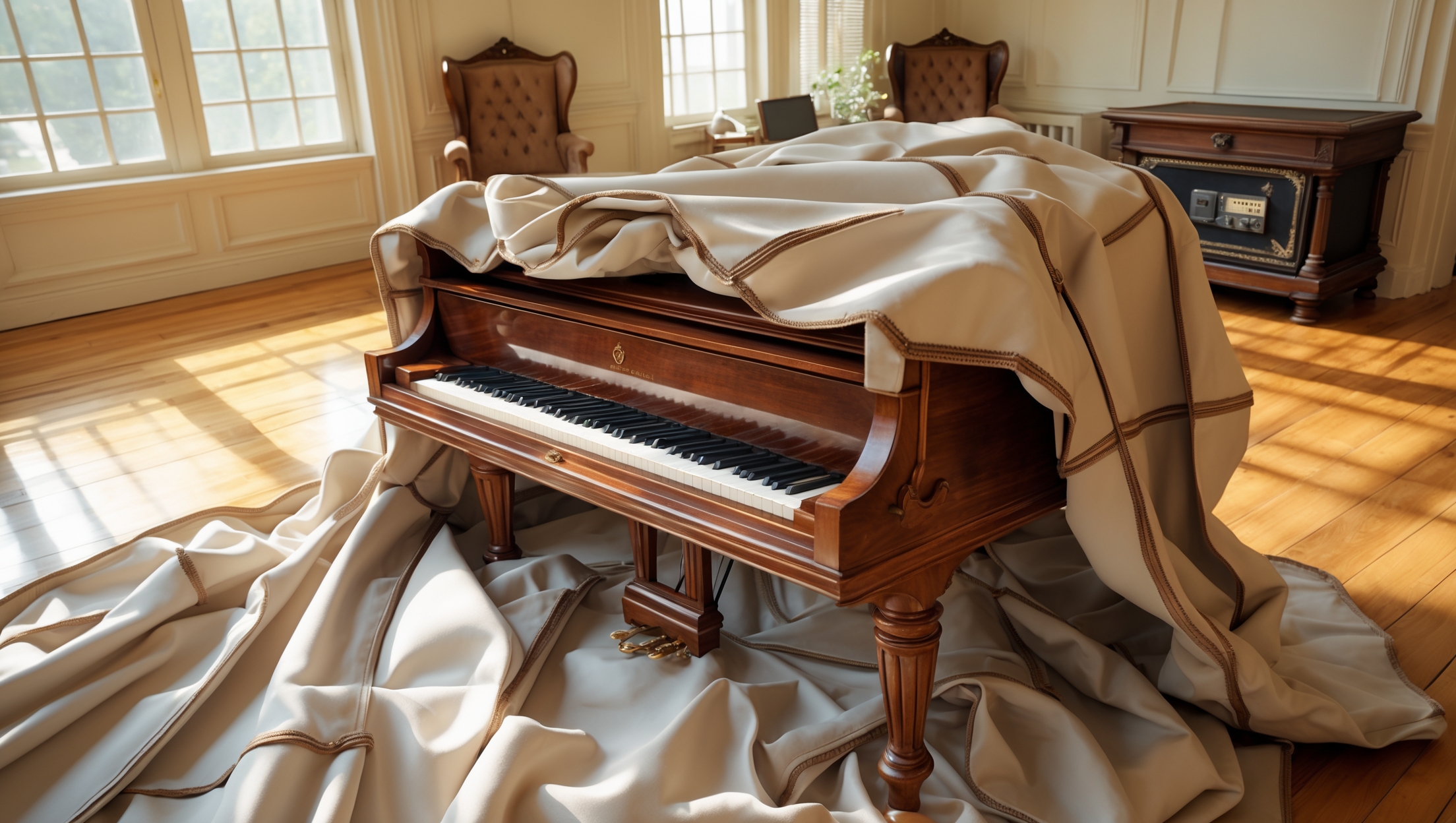
Introduction: The Unique Challenge of Moving Specialty Items
Moving home is a complex process, but when specialty items like pianos, safes, and antiques are involved, the stakes—and the stress—can skyrocket. These valuables are not only heavy, awkward, and expensive, but they also often carry sentimental or historical value that makes their safe handling paramount. Unlike standard household goods, specialty items demand unique preparation, equipment, and expertise. The risks of improper handling range from irreparable damage and costly repairs to serious personal injury or property destruction. In this expert guide, we’ll break down the critical steps and professional strategies for relocating pianos, safes, and antiques. Whether you’re a homeowner preparing for a big move, or a moving professional looking to expand your skillset, you’ll find practical, actionable advice to ensure your most precious items arrive safely at their new home.
Pianos: Protecting the Heart of the Home
Understanding Piano Types and Their Moving Requirements
Pianos vary greatly in size, shape, and internal structure, and each type demands different handling techniques. Grand pianos, upright pianos, and baby grands each have unique centers of gravity, vulnerable components, and disassembly requirements. The key to a successful piano move is understanding these differences and preparing accordingly.
- Upright pianos: Tall and narrow, typically weighing 300–500 lbs. Easier to maneuver but still require caution due to delicate internal parts and weight distribution.
- Grand pianos: Larger, often weighing 500–1,200 lbs, with legs and pedals that must usually be removed. Their irregular shape and sensitive mechanism make them particularly challenging.
- Baby grands: Smaller than full grands but still heavy and awkward, sharing many of the same moving requirements.
Essential Prep: Tools, Supplies, and Environment
Before moving a piano, assemble the following:
- Piano dollies designed for the specific piano type
- Heavy-duty moving blankets for full coverage
- Ratchet straps and stretch wrap to secure coverings
- Locking piano board (for grands and baby grands)
- Screwdrivers, wrenches, and ziplock bags for hardware
- Work gloves with grip
- Measuring tape for doorways, hallways, and stairwells
Clear the path from the piano’s location to the exit, removing rugs, furniture, and other tripping hazards. Measure all passageways ahead of time to ensure the piano will fit without forcing.
Step-by-Step Moving Process for Upright Pianos
- Wrap the entire piano in moving blankets, securing them with stretch wrap and tape.
- With at least two strong helpers, tip the piano slightly back and slide the dolly underneath, keeping the weight balanced.
- Secure the piano to the dolly with ratchet straps, ensuring it cannot tip or shift during movement.
- Slowly guide the piano through the home, taking corners wide and using ramps for thresholds or steps where possible.
- At the moving truck, use a ramp or lift gate to load the piano, never attempting to lift it unaided.
- Anchor the piano inside the truck with additional straps to prevent shifting during transit.
Step-by-Step Moving Process for Grand and Baby Grand Pianos
- Remove the music rack, pedals, and legs in the manufacturer’s recommended order, bagging and labeling hardware.
- Wrap each disassembled part in moving blankets and bubble wrap for added protection.
- Carefully tilt the piano onto its side and onto the piano board, securing it firmly.
- Use a team lift to maneuver the board onto a dolly, taking extreme care with the body and keys.
- Follow the same procedures as with uprights for transport through the home and loading into the truck.
Common Pitfalls and Expert Solutions
- Not securing the lid: Always lock or tape the keyboard lid to prevent it from flying open and sustaining damage.
- Improper tipping: Never tip a piano on its ends; always keep it upright or on the designated board to protect internal components.
- Insufficient manpower: Use at least three people for grands; do not attempt solo moves.
- Skipping climate protection: Avoid exposing pianos to rapid temperature or humidity changes, which can damage the wood and tuning.
Safes: Moving the Unmovable
Assessing Weight and Route Challenges
Safes are designed to be immovable for security reasons, with residential models often weighing between 200 and 1,500 lbs. Commercial safes can exceed several tons. Their dense weight, top-heavy balance, and awkward shape pose unique risks during moves.
- Measure the safe and all potential exit routes, including doorways, staircases, and elevators.
- Check floor load limits, especially in older homes or on upper levels.
- Plan for obstacles such as tight corners, uneven surfaces, and stairs.
Specialized Equipment and Supplies
- Heavy-duty appliance or safe dolly with high load rating and robust wheels
- Thick moving blankets to prevent wall and floor scratches
- High-capacity lifting straps and tie-downs
- Metal plates or plywood to protect floors and distribute weight
- Work gloves with reinforced palms
- Ramps for steps or loading truck beds
Professional Moving Steps for Safes
- Empty the safe completely to reduce weight and prevent contents from shifting.
- Wrap the safe in moving blankets, taping them securely in place.
- Slide the dolly under the safe, keeping the load balanced and the safe upright.
- Secure the safe tightly to the dolly with heavy-duty straps.
- Move slowly, keeping helpers stationed at all sides to guide and support at each transition.
- Use metal plates to bridge any soft or delicate flooring surfaces.
- For stairs, use stair-climbing dollies or enlist professional rigging services—never attempt to carry a safe up or down stairs manually.
- Load into the truck with a hydraulic lift gate when possible.
- Secure the safe against the truck wall with additional tie-downs to prevent tipping.
Critical Safety Precautions
- Never underestimate the weight—safes can cause severe injury if mishandled.
- Do not attempt to move a safe up or down stairs without professional-grade equipment and a trained crew.
- Wear steel-toed footwear for added protection.
- Do not exceed equipment load ratings.
Antiques: Preserving Value and History
Assessing the Item: Material, Age, and Vulnerabilities
Antiques include a wide range of items—furniture, artwork, clocks, mirrors, and more—each with distinct care requirements. The key is to evaluate each piece for vulnerabilities:
- Identify fragile elements like glass panels, inlays, or loose joints.
- Note material sensitivities (wood, marble, fabric) to climate and physical stress.
- Document the item with photos from all angles for insurance and reassembly reference.
Packing Materials and Techniques
- High-quality moving blankets and acid-free packing paper
- Bubble wrap for glass and extremely delicate surfaces
- Custom wooden crates for especially valuable or fragile items
- Foam corner protectors and edge guards
- Non-abrasive tape or stretch wrap (avoid direct contact with finishes)
- Silica gel packets to control moisture for sensitive items
Expert Packing Process for Antiques
- Disassemble removable parts (legs, finials, glass shelves) where possible and wrap each separately.
- Wrap the main body in acid-free paper, then add moving blankets, securing gently with stretch wrap.
- Double-wrap glass or marble surfaces with bubble wrap and place foam edge protectors on all corners.
- For highly fragile or irreplaceable items, build or order a custom crate to immobilize the piece during transit.
- Mark all boxes and crates with “Fragile” and “This Side Up” indicators.
Transport and Storage Considerations
- Keep antiques upright and well-cushioned in the moving truck, away from heavy or shifting items.
- Maintain a stable climate during transport—avoid leaving items in extreme heat, cold, or humidity.
- If storage is required, use climate-controlled units and avoid stacking items.
Hiring Professional Movers vs. DIY: Making the Right Choice
When to Hire Specialists
While a determined DIYer can handle many moving tasks, specialty items often warrant professional intervention. Consider hiring professional specialty movers if:
- The item exceeds 400 lbs or requires specialized equipment
- It has significant monetary or sentimental value
- Stairs, tight spaces, or difficult terrain are involved
- You lack experience or sufficient manpower
Look for movers who offer specific experience with pianos, safes, or antiques, and ask for references and proof of insurance.
What to Expect from Professional Services
- Pre-move consultations and site visits for route planning
- Custom packing, crating, and climate protection
- Specialized equipment and trained crews
- Comprehensive insurance coverage for specialty items
- Safe, efficient transport and reassembly at the destination
Insurance and Documentation: Protecting Your Specialty Items
Essential Insurance Steps
- Review your homeowner’s policy to understand what is covered during a move.
- Purchase additional moving insurance or a specific rider for high-value items.
- Obtain written appraisals for antiques and rare items before the move.
- Request a Certificate of Insurance from your moving company covering specialty items.
Documenting Condition for Claims
- Photograph each item from multiple angles, capturing any existing imperfections.
- Record serial numbers or unique identifying marks.
- Retain receipts, appraisals, or provenance documents as proof of value.
- Complete a written inventory with descriptions and condition notes.
Post-Move Reassembly and Care
Setting Up Pianos
- Allow the piano to acclimate to room temperature and humidity for at least 24 hours before tuning or playing.
- Reassemble legs, pedals, and music racks using labeled hardware bags.
- Book a professional tuning within two weeks after relocation.
Safe Placement and Leveling
- Install safes on level, supportive flooring, away from excessive moisture or heat sources.
- Ensure the safe is anchored according to manufacturer guidelines for security and stability.
- Reinstall shelves or interior components as needed.
Antique Unpacking and Inspection
- Carefully remove all packing materials, inspecting for damage as you go.
- Reassemble parts and check for loose joints or hardware.
- Clean surfaces with appropriate, non-abrasive products.
- Address any minor repairs immediately to prevent further deterioration.
Conclusion: Prioritizing Safety, Value, and Peace of Mind
Moving specialty items such as pianos, safes, and antiques is not just a logistical challenge—it’s a test of preparation, precision, and respect for the value these items hold. The risks go far beyond surface scratches or scuffed floors; improper handling can result in thousands of dollars in losses or, worse, irreplaceable sentimental damage. By approaching the move with expert strategies—understanding item-specific requirements, investing in the right equipment, and prioritizing insurance and documentation—you dramatically increase the likelihood of a smooth, successful transition. For many, the peace of mind that comes from hiring experienced professionals is well worth the investment. But even if you choose the DIY route, careful planning and a healthy respect for the process will serve you well. Ultimately, a successful specialty item move is about more than just getting from point A to B; it’s about preserving what matters most, both in terms of function and history. With these expert tips, you’re well equipped to safeguard your most treasured possessions on moving day—and ensure they continue to enrich your new home for years to come.
You mentioned removing legs and pedals from grand pianos before moving. Do I need any special tools or knowledge to safely take those parts off, or should that always be done by a professional?
Removing legs and pedals from a grand piano does require some specific tools like screwdrivers, a wrench set, and padding to protect parts. However, since these components are delicate and improper removal can cause damage, it’s usually best to let a professional handle it unless you have experience with piano disassembly.
When moving a grand piano, what are some signs that the internal components might have been damaged during the process, even if the exterior looks fine?
Even if the piano looks fine outside, signs of internal damage can include odd or buzzing sounds when keys are played, keys that stick or don’t return properly, changes in touch or responsiveness, and difficulty staying in tune. If you notice any of these issues after a move, it’s a good idea to have the piano professionally inspected.
Could you elaborate on what kind of dollies and padding are best for upright versus baby grand pianos, and whether there’s a big difference in cost or risk between the two?
For upright pianos, heavy-duty four-wheel piano dollies and thick moving blankets work well, offering stable support and protection. Baby grand pianos usually require a piano skid board, specialized straps, and extra padding because their legs and shape make them more fragile to move. Baby grands generally mean higher rental costs and greater risk during transport due to their size and weight distribution.
Do you have any advice on how to prepare the environment at both the current and new locations to minimize the risk of damage when moving a grand piano?
To minimize risk when moving a grand piano, clear pathways at both locations and remove rugs, furniture, or obstacles. Protect floors with coverings that prevent scratches. Ensure doorways and hallways are wide enough and measure them in advance. Maintain a stable indoor temperature to protect the piano, and reserve an area at the new location for careful reassembly.
Could you provide some practical tips or checklists for preparing antiques for a move, especially for parents juggling a lot of tasks during a busy relocation week?
To prepare antiques for a move, start by cleaning each item gently and taking photos for reference. Use soft packing materials like bubble wrap or blankets, and pack items in sturdy boxes with clear labels. For extra protection, consider double boxing fragile pieces. Keep an essentials checklist handy, and if possible, delegate packing steps to family members to lighten your load during a hectic week.
If someone is trying to move an antique upright piano in a home with tight doorways, what would be the best approach to prevent both property damage and harm to the piano?
To move an antique upright piano through tight doorways, carefully measure both the piano and all passageways first. Remove piano parts like legs or pedals if possible. Use heavy blankets to protect the piano and door frames. Employ a piano dolly and work with several strong helpers or hire professionals with experience in moving delicate antiques.
Could you explain what kind of insurance coverage I should look for when hiring movers for heavy items like pianos and safes, especially if they have significant sentimental value?
When hiring movers for heavy or valuable items, ask about full-value protection insurance, which covers repair, replacement, or reimbursement if your item is damaged or lost. You can also check if your homeowners insurance offers supplemental coverage. For items with sentimental value, consider a policy that lets you declare specific high-value items to ensure their full worth is covered.
Could you elaborate on what specific equipment is needed to safely move a grand piano compared to a baby grand? I want to make sure I’m fully prepared.
To move a grand piano, you’ll need a sturdy piano skid board, heavy-duty straps, a piano dolly, and lots of padding and blankets. A baby grand requires the same types of equipment, but due to its smaller size, the skid board and dolly may be slightly smaller and easier to maneuver. For both, having several strong helpers and proper gloves is essential for safety.
When moving a baby grand piano, do you recommend disassembling the legs yourself or should that always be left to a professional? Are there certain tools or protective materials that are essential for DIY disassembly to avoid damaging the instrument?
For a baby grand piano, it’s safest to have a professional handle leg disassembly, since improper removal can cause cracks or other damage. If you decide to do it yourself, you’ll need a socket wrench, thick moving blankets, and plenty of padding for the components. Always number or label hardware and parts, and avoid forcing any pieces. Take extra care to support the body when removing the legs.
You talk about the risks of damaging antiques during a move. If my antiques are mostly wooden furniture, are there any budget-friendly protective wraps or supplies you suggest for smaller businesses?
For wooden antiques, furniture blankets and stretch wrap are affordable and effective. Moving blankets help prevent scratches and dents, while stretch wrap keeps drawers and doors secure. You can often rent blankets from truck rental companies or buy them in bulk for less. Old quilts or thick towels can also be used as padding for extra savings.
Is there a big difference in costs or preparation when hiring movers for antiques versus pianos? I’m trying to figure out how to budget for my move since I have both.
Yes, there is usually a difference in both cost and preparation when moving antiques versus pianos. Pianos often require specialized equipment and several movers due to their weight and size, which can raise costs. Antiques may need custom crating, extra padding, or climate-controlled transport. Let movers know exactly what you have so they can provide an accurate estimate for each item.
If someone is moving into an apartment building with narrow hallways, how should they adapt the advice for transporting a heavy item like a safe or baby grand piano safely?
In buildings with narrow hallways, measure all spaces carefully before moving. Consider partially disassembling the item if possible. Use furniture dollies with straps for stability, and add corner protectors to prevent wall damage. Professional movers with experience in tight spaces are highly recommended, as they have specialized equipment and techniques for maneuvering large, heavy items safely through challenging layouts.
When prepping for moving a baby grand, are there cost-effective alternatives to piano dollies if I only need to move it a short distance within my home?
If you’re only moving your baby grand a short distance, furniture sliders or heavy-duty moving blankets under each leg can work as a cost-effective alternative to piano dollies. Be sure to have plenty of help to lift each corner gently and protect your floors during the move.
If a piano has a lot of sentimental value but is an older upright with some internal damage already, are there extra precautions to keep in mind while moving it, or should I consider leaving it to professionals either way?
Given the sentimental value and existing internal damage, it’s a good idea to leave moving the piano to professionals. They have the expertise and equipment to handle delicate and heavy items safely. If you must move it yourself, pad it thoroughly, protect corners, and use a sturdy dolly, but hiring specialists is the safest choice.
You mention that grand and baby grand pianos often require partial disassembly before moving. How complicated is it to reassemble them at the new home, and do I need a piano tuner afterward?
Reassembling a grand or baby grand piano can be quite complex and usually requires experienced movers or technicians to ensure it’s done correctly. After reassembly, it’s recommended to have a piano tuner visit since moving and reassembly can affect the instrument’s tuning and sound quality.
The article mentions needing special dollies and supplies for piano moves—how much should I budget to rent or purchase these if I’m not hiring professionals?
For moving a piano yourself, budget roughly $20–$40 per day to rent a heavy-duty piano dolly and moving straps. If you prefer to buy, expect to spend $100–$300 for good-quality equipment. Don’t forget extra costs for padding or blankets to protect the piano during the move.
Could you elaborate on what kinds of tools or equipment are considered essential when moving a grand piano compared to a baby grand, particularly for homeowners who want to prepare in advance?
For both grand and baby grand pianos, you’ll need a sturdy piano dolly, heavy-duty furniture straps, moving blankets, and plenty of padding. Grand pianos, being larger, often require a special piano skid board and more manpower to safely remove the legs and pedals. Baby grands are slightly easier, but the same care and equipment are needed for protection and secure transport.
Do professional movers usually include the cost of specialized equipment like piano dollies in their quotes, or should I expect extra fees for those when moving a grand piano?
Professional movers often include the cost of specialized equipment like piano dollies in their initial quotes for grand piano moves. However, it’s always wise to confirm this with the moving company, as some may charge additional fees depending on the piano’s size, weight, or the complexity of the move.
I have an upright piano and I’m trying to figure out if I really need to take off any parts before moving it, like the pedals or lid, or is that mostly for grand pianos?
For upright pianos, you usually don’t need to remove major parts like the lid or pedals—those precautions are mainly for grand pianos. Just lock the keyboard cover if possible and protect protruding parts with padding. Make sure to secure the piano doors and handles, and use proper equipment when moving.