

Introduction: Why the Moving Essentials Box Is a Game-Changer
Moving day can be chaotic. Boxes everywhere, furniture in disarray, and the urgent need for daily necessities lost in a sea of cardboard. That’s where the moving essentials box comes in—a single, well-prepared container that holds everything you need for the first 24-48 hours in your new home. Packing and managing this box is much more than tossing a few items into a suitcase. It’s a strategic process that can save you hours of stress, help prevent lost or forgotten items, and make your first night in a new place feel like home. In this expert guide, we’ll go beyond the basics and unpack advanced strategies for selecting, packing, inventorying, and setting up your essentials box. Whether you’re moving across town or across the country, these detailed tips will ensure you start your new chapter smoothly, comfortably, and in control.
What Is a Moving Essentials Box?
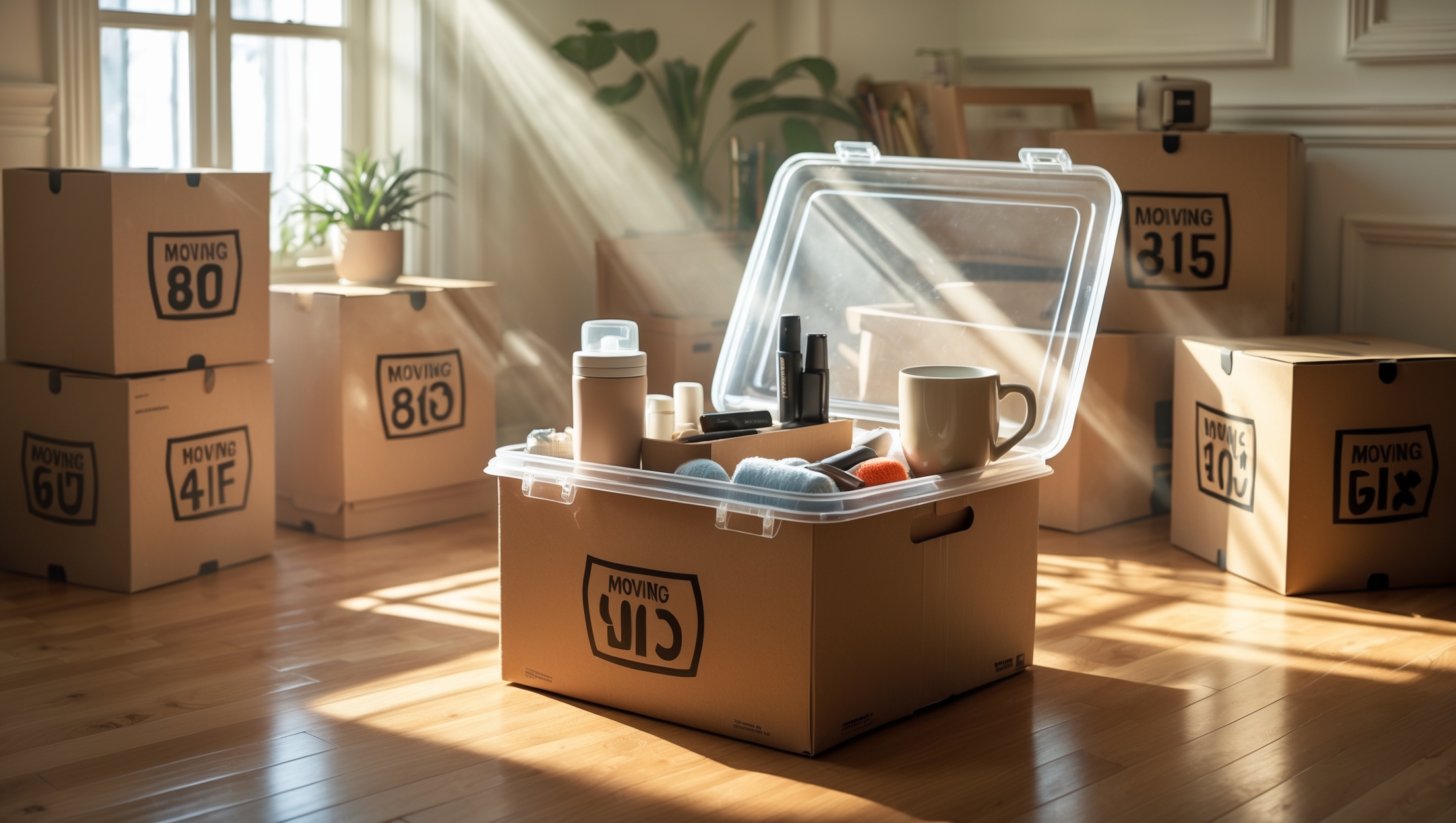
The moving essentials box—sometimes called the “first night box”—is a clearly labeled container packed with items you’ll need immediately upon arrival at your new home. Think of it as your moving day survival kit: toiletries, chargers, basic tools, important documents, snacks, and more. The concept sounds simple, but the execution can be the difference between a stressful or seamless transition.
Expert Strategies for Planning Your Essentials Box
Assess Your Immediate Needs
Start by picturing your first 48 hours in the new space. What will you need before you unpack everything else? Consider daily routines, family members (including pets), and any unique circumstances like children, medical needs, or remote work requirements.
- List out morning and nightly routines for each person.
- Account for work and school obligations—laptops, chargers, notebooks, uniforms.
- Special needs: medications, medical equipment, allergy supplies.
- Pets: food, leashes, favorite toys, bedding.
Create a Customized Inventory
Generic lists don’t cut it. Use a spreadsheet app or a checklist app to create a tailored inventory for your essentials box. Categorize by family member, room, or type of item (hygiene, tech, food, tools, etc.).
- Use color coding or tags for each category.
- Document expiration dates for food and medication.
- Share the list digitally with all household members.
Choosing the Right Container: Box, Bin, or Bag?
Your essentials container needs to be sturdy, secure, and easy to identify. Consider the following options:
- Heavy-duty plastic bin: Waterproof, stackable, reusable.
- Large duffel bag or rolling suitcase: Easy to transport, especially in walk-ups or apartments.
- Classic moving box: Budget-friendly, but less durable.
Label your container on all sides with “ESSENTIALS” and your last name. Consider using reflective tape or a bright color for visibility. If you’re using movers, instruct them to load this box last and unload it first.
The Ultimate Moving Essentials Inventory: Expert Recommendations
Personal Care & Hygiene
- Toothbrushes and toothpaste
- Soap, shampoo, conditioner
- Hairbrush/comb
- Deodorant
- Shower curtain and hooks (if your new bathroom is bare)
- Toilet paper and hand towels
- Basic first aid kit (bandages, pain relievers, antiseptic wipes)
- Medications and prescriptions (labeled, with instructions)
- Contact lenses/glasses and solution
- Feminine products
Clothing & Comfort
- Change of clothes for each person (including socks and underwear)
- Sleepwear
- Weather-appropriate outerwear (raincoat, jacket, hat, etc.)
- Slippers or flip-flops
- Blanket and pillow for each person
Food & Drink
- Reusable water bottles (filled before moving)
- Non-perishable snacks (granola bars, nuts, crackers)
- Manual can opener
- Instant coffee/tea bags and travel mugs
- Paper plates, bowls, utensils, and napkins
- Small saucepan or kettle (if needed for formula or baby food)
- Pet food, bowls, and treats
Tech & Communication
- Chargers for all devices (label each cord)
- Power strip or surge protector
- Portable battery pack
- Wi-Fi hotspot device or printed instructions for setting up new Wi-Fi
- Headphones/earplugs (for quiet time or phone calls)
Documents & Money
- Wallet, ID, passports
- Checkbook and/or cash (for tips or emergencies)
- Leases, contracts, and new home paperwork
- Insurance cards and contact numbers
- List of important contacts (printed and digital)
Basic Tools & Setup Gear
- Multi-tool or basic toolkit (screwdriver, pliers, wrench)
- Box cutter/scissors
- Flashlight and extra batteries
- Measuring tape
- Small roll of duct tape
- Notepad and pens
- Garbage bags (for trash or dirty laundry)
Home Setup & Cleaning
- All-purpose cleaning spray and cloths
- Disinfecting wipes
- Paper towels
- Basic toolkit for furniture assembly
- Lightbulbs (check new home’s fixture types ahead of time)
- Small broom or handheld vacuum
Kid & Baby Items (if applicable)
- Favorite toy or comfort item
- Formula, bottles, baby food, bibs, and burp cloths
- Diapers, wipes, and diaper cream
- Portable crib or sleep mat
Advanced Packing Techniques for Maximum Efficiency
Layering for Access
Pack in layers based on when you’ll need each item. Place the most urgent items (toilet paper, soap, chargers) at the very top. Use zippered pouches or large Ziploc bags to separate categories (hygiene, tech, food).
Protection and Leak-Proofing
- Seal all liquids (shampoo, soap) in double bags to prevent spills.
- Wrap fragile items (glasses, electronics) in soft clothing for extra padding.
- Use hard cases or padded envelopes for important documents.
Smart Labeling
- List box contents on a laminated card taped to the lid.
- Assign a unique color or symbol to your essentials box for quick identification.
- Include emergency contact info inside the box in case it’s misplaced.
Managing Your Essentials Box During the Move
Keep It With You
Whenever possible, transport the essentials box in your personal vehicle rather than the moving truck. This ensures you’ll have immediate access and reduces the risk of loss or misplacement. If movers must handle it, communicate its importance and confirm it will be unloaded first.
Track Its Location
- Use a Bluetooth tracker (such as a Tile or AirTag) attached to the box or bag.
- Take a photo of the box and its location in your vehicle or moving truck.
- Designate one person as the “essentials box captain” responsible for its whereabouts.
Prepare for Unplanned Delays
- Include a small overnight kit in your essentials box in case of hotel stays or delays in accessing your new home.
- Pack a backup phone charger and a list of nearby amenities (restaurants, pharmacies, urgent care).
Setting Up Your New Home with the Essentials Box
First Steps Upon Arrival
- Locate the essentials box before unloading other items.
- Set up a dedicated “landing zone” for essentials in the kitchen or living room.
- Unpack only what you need for the first night and morning—resist the urge to dig into all boxes at once.
Room-by-Room Quick Setup
- Bathroom: Hang the shower curtain, set out towels, and stock toilet paper and soap.
- Bedroom: Make the bed with your own bedding and pillows for comfort and familiarity.
- Kitchen: Arrange snacks, plates, and a kettle or coffee setup for the next morning.
- Tech: Plug in chargers and set up a Wi-Fi hotspot if internet isn’t live yet.
Quick Clean and Safety Check
- Use cleaning wipes and spray to quickly sanitize high-touch areas (door handles, switches, faucets).
- Swap out any burnt-out bulbs and check smoke detectors.
Maintaining Your Essentials Box for Future Moves
After the Move: Restock and Review
- Take note of what items you reached for first and which went unused.
- Update your digital inventory for next time, adding or removing items as needed.
- Restock non-perishables and replace expired items promptly.
Store Smartly Between Moves
- Keep your essentials box in an easily accessible closet or storage area.
- Label it with the next planned move date if applicable.
- Consider using your essentials box for other emergencies (power outages, travel, etc.).
Conclusion: Your First Night, Made Easy
The moving essentials box is the unsung hero of a stress-free relocation. It’s not just about having a toothbrush or a snack on hand—it’s about reclaiming control, comfort, and calm during a major life transition. By strategically planning, packing, and managing your essentials box, you’ll sidestep common frustrations: frantic box digging, missing necessities, and a disorganized first night. Instead, you’ll walk into your new home prepared, empowered, and ready to settle in.
Remember, the best essentials box is the one customized to your household’s unique needs, thoughtfully packed, and carefully tracked throughout the move. Treat it as a cornerstone of your moving strategy. Whether you’re a seasoned mover or tackling your very first relocation, these expert tips will ensure your essentials box delivers exactly what you need, when you need it most. So as you plan your next move, give your essentials box the attention it deserves—and enjoy a smoother, more comfortable start in your new home.
Could you elaborate on how you recommend inventorying the moving essentials box, especially if multiple family members have separate needs? I’m looking for tips to keep the process organized without making it too complicated.
To keep inventory simple, assign each family member a color or label and use it on their items within the essentials box. Make a basic checklist for each person, listing their must-haves, and tape it inside the box lid. This way, everyone can quickly see what should be there without extra paperwork or confusion.
For families moving across the country with a lot of medication and allergy supplies, how far in advance should we assemble our essentials box to avoid missing anything important?
It’s a good idea to start assembling your essentials box about one to two weeks before your move. This gives you enough time to check expiration dates, refill prescriptions if necessary, and make a checklist to ensure you include all medications and allergy supplies. Review the box a few days before moving to catch any last-minute items you might have missed.
For those of us on a tight budget, are there any affordable alternatives to buying a brand new container specifically for the essentials box, or is it really worth investing in a special one?
You don’t need to buy a brand new container for your essentials box. Repurposing a sturdy cardboard box, a suitcase, or even a clean storage bin you already have at home works well. The key is to choose something durable and easy to identify, so you can access your essentials quickly after the move.
When you mention accounting for remote work in the essentials box, what specific items beyond chargers and laptops would you suggest for someone who needs to be ready for virtual meetings right after moving in?
For virtual meetings right after moving in, consider including a reliable headset or earbuds, a webcam if your laptop doesn’t have a good one, a mouse, a compact power strip, a notebook and pen for jotting notes, and any key documents you may need. Also, pack a portable Wi-Fi hotspot or ensure your router and necessary cables are easily accessible.
If we’re moving locally versus long distance, would the essentials box checklist change much, especially for things like snacks and pet supplies?
For local moves, you might pack lighter on snacks and pet supplies since you can usually access your regular kitchen and pet items more quickly. For long-distance moves, include extra snacks, water, and a full supply of pet food and comfort items, since it may be longer before your things are unpacked.
Is there a budgeting strategy for putting together a solid essentials box without overspending, or is it best to just focus on convenience for those first 48 hours?
You can definitely create a solid essentials box on a budget by planning ahead. Make a checklist of truly necessary items for those first 48 hours and see what you already own. Only buy missing basics—think travel-size toiletries, a few snacks, and basic cleaning supplies. Focusing on both convenience and cost-efficiency helps you avoid unnecessary spending while ensuring comfort.
As a small business owner who may have to move equipment and important documents, do you have any tips on keeping business-related items separate but still accessible within the moving essentials box?
To keep business-related items separate yet accessible, use clearly labeled pouches or folders within your moving essentials box. Dedicate one section for important documents and another for small equipment or accessories. You might also use color-coded bags or dividers so you can quickly find what you need without mixing business and personal items.
How do you recommend handling essentials for multiple kids with very different needs? Should I make a separate box for each child, or keep everything together in one main essentials box?
For multiple kids with different needs, it’s usually best to pack a separate essentials box for each child. This way, each box can be tailored to their age, preferences, and routines—think favorite snacks, comfort items, or special toiletries. Label each box clearly so unpacking is easier and nothing important gets mixed up or lost.
What size or type of container do you suggest for the essentials box so it’s easy to identify and access, but still fits everything needed for the first 48 hours?
A medium-sized, clear plastic storage bin with a secure lid works very well for an essentials box. It’s sturdy, easy to spot, and large enough for key items without becoming too heavy or bulky. Label it on all sides for quick identification and keep it with you during the move for instant access.
How do you suggest managing the essentials box for a small business owner like me who needs to be up and running with work equipment right away after moving?
For a small business owner, pack your essentials box with key work equipment—laptop, chargers, important files, basic office supplies, and any tools you use daily. Label the box clearly and keep it with you during the move, not with the general shipment. This way, you can set up your workspace immediately after arrival without searching through other boxes.
If I’m moving long-distance and won’t have access to my main shipment for several days, how can I adapt the essentials box strategy to cover a longer timeframe without overpacking?
To adapt the essentials box for a longer trip, pack enough clothes, toiletries, medications, chargers, and basic kitchenware to last the extra days. Consider multi-use items and travel-sized versions to save space. Prioritize what you truly need daily, and reassess after packing to avoid extras you can do without for a short period.
You talk about packing for the first 24-48 hours—what are your top tips for making sure nothing critical gets overlooked, especially when balancing work-from-home needs or medications?
To avoid missing anything vital, make a detailed checklist a few days before packing your essentials box. For work-from-home, pack chargers, headphones, and a power strip alongside your device. For medications, include a supply for several days, prescriptions, and any medical devices you need. Double-check your list as you pack, and keep these items with you during the move for easy access.
Do you have any recommendations for what kind of container works best for the moving essentials box? Is it better to use a clear plastic bin so you can see what’s inside, or does a regular cardboard box work just as well?
A clear plastic bin is often the best choice for your moving essentials box. It’s sturdy, reusable, and lets you quickly see what’s inside without opening it. However, a labeled cardboard box works too if you don’t have a plastic bin—just make sure it’s easy to identify and keep accessible during your move.
Could you share any tips for reducing duplication between the essentials box and what you pack in regular boxes, so we don’t end up digging through everything to find something we need right away?
To minimize duplication, make a checklist of essentials first—include only what you’ll need in the first 24–48 hours in your essentials box. As you pack regular boxes, check off each item from the essentials list. Label your essentials box clearly and keep it separate, so you won’t need to search through other boxes for urgent items.