

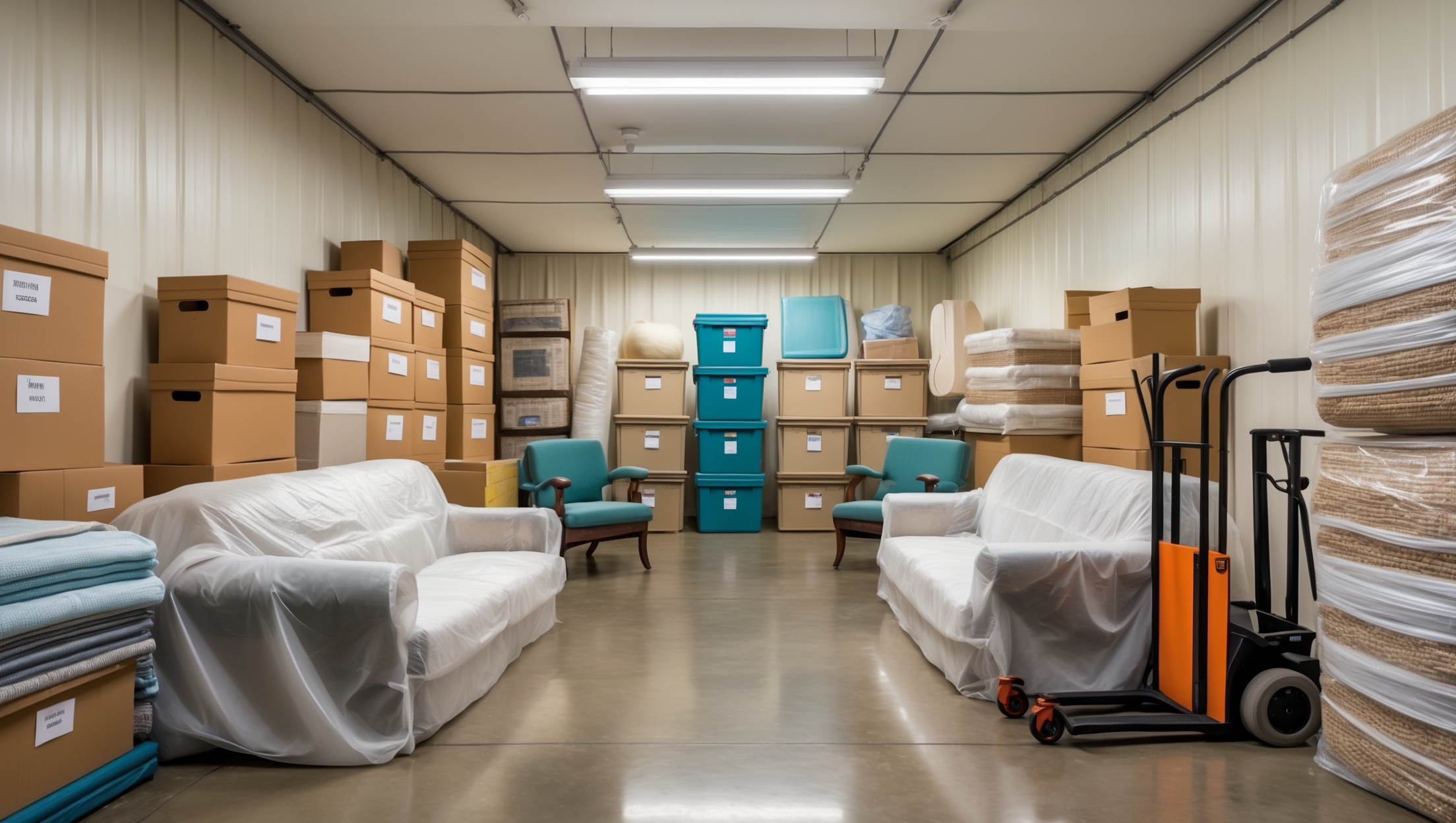
Introduction: The Overlooked Key to a Stress-Free Move
When planning a move, most people focus on packing, hiring movers, and managing logistics. Yet, an often underestimated step is arranging temporary storage for your belongings. Whether you’re facing a gap between move-out and move-in dates, downsizing into a smaller space, or simply needing to declutter before listing your home, storage plays a critical role in protecting your possessions and smoothing the transition. Expert movers know that successful relocations are built on strategic planning—and storage is one of the most valuable tools in your moving arsenal.
Improper storage can lead to damaged items, lost valuables, and unnecessary stress. Conversely, a well-executed storage plan offers flexibility, security, and peace of mind. In this comprehensive guide, you’ll learn professional-grade strategies for selecting the right storage solution, preparing your belongings for safekeeping, maximizing available space, and ensuring both accessibility and protection throughout your move. Whether you’re a first-timer or a seasoned mover, these actionable tips will help you take control of your temporary transition—and avoid costly mistakes.
Understanding Your Storage Needs: Assess Before You Pack
Types of Moves That Require Storage
- Delayed move-in: Waiting for your new home to close or become available.
- Downsizing: Moving to a smaller space with excess belongings.
- Staging to sell: Removing clutter and personal items to improve home appeal.
- Renovations: Temporarily relocating items during home improvements.
- Corporate relocations: Transitional housing between assignments.
Inventory Assessment
Begin by taking a detailed inventory of what needs storage. Separate items by category—furniture, boxes, seasonal items, valuables, and specialty items like artwork or electronics. Use a spreadsheet or moving app to track quantities and conditions. This step not only helps determine the size and type of storage you need but also streamlines insurance documentation and future retrieval.
Choosing the Right Storage Solution: Options Explained
Self-Storage Units
Self-storage facilities are the most common option, offering flexibility in unit size, rental duration, and access hours. Units are typically secured by individual locks and monitored by facility cameras. Consider climate-controlled units if you’re storing sensitive items like electronics, artwork, or antiques.
Portable Storage Containers
Portable storage (e.g., PODS, U-Haul U-Box) delivers a container to your location, allowing you to load at your own pace. The container is then picked up and stored at a secure facility or delivered to your new address. This is ideal for staged moves or if you want to minimize double handling of goods.
Full-Service Storage
Some moving companies offer full-service storage, where professionals pack, transport, and store your items in their warehouse. This is an excellent option for those seeking convenience, but less ideal if you require frequent access to your belongings.
On-Site Storage
If you have land or driveway space, consider on-site storage containers. These allow you to keep your belongings close and accessible, but require security considerations and may not be permitted in all neighborhoods or apartment complexes.
Comparing Storage Types
- Access Needs: Frequent vs. occasional access.
- Security: Level of facility monitoring and lock quality.
- Environmental Controls: Climate control for sensitive items.
- Location: Proximity to your home or route.
- Cost: Monthly rates, deposit requirements, and potential hidden fees.
- Insurance: Availability and coverage limits.
Budgeting for Storage: Expert Cost-Saving Tips
Estimating Space Requirements
Most storage facilities offer online calculators to help you gauge the unit size you’ll need based on your inventory. As a rule of thumb, a 5×10 ft unit fits the contents of a one-bedroom apartment, while a 10×20 ft unit accommodates a multi-bedroom house. Overestimating wastes money; underestimating leads to frustration and potential damage.
Comparing Prices
- Request quotes from multiple providers and check for online specials or move-in discounts.
- Ask about long-term vs. short-term rates; some facilities offer reduced rates for longer commitments.
- Consider sharing a larger unit with a trusted friend or family member if feasible.
Hidden Fees to Watch For
- Administrative or setup fees
- Mandatory insurance charges
- Lock purchase requirements
- Late payment penalties
Always read the contract carefully and clarify any ambiguous terms before signing.
Packing for Storage: Protecting Your Belongings Like a Pro
Preparing Items for Long-Term vs. Short-Term Storage
- Long-Term Storage: Use sturdy, uniform boxes; wrap furniture in breathable covers; avoid plastic bags for fabrics to prevent mildew.
- Short-Term Storage: Stackable bins and labeled boxes make for quicker access and easier rearrangement.
Essential Packing Supplies
- Heavy-duty boxes and stackable plastic bins
- Bubble wrap, packing paper, and moving blankets
- Furniture covers and mattress bags
- Moisture absorbers (e.g., silica gel, DampRid) for humid climates
- Pallets or tarps to elevate items off the floor
- High-quality locks (disc or cylinder locks are best for storage units)
Packing Best Practices
- Disassemble large furniture to save space and prevent damage.
- Store heavy items at the bottom, lighter items on top.
- Label every box on multiple sides with contents and room destination.
- Leave an aisle down the center of your unit for easy access.
- Store valuable or fragile items toward the back and off the floor.
Maximizing Space: Layout and Organization Strategies
Smart Stacking Techniques
Stack boxes of similar size to maximize vertical space and prevent shifting. Use shelving units if allowed; this increases accessibility and minimizes the risk of crushing fragile items. Store mattresses and sofas upright to save floor space but never stack heavy items on top of soft surfaces.
Creating a Storage Map
Before loading, draw a simple map of your unit plan. Mark where large furniture, boxes, and frequently accessed items will go. Keep a copy in your moving binder or phone for quick reference during retrieval.
Accessibility Tips
- Leave a walkway from front to back for easy access.
- Place items you may need soonest (seasonal clothing, important documents) near the entrance.
- Use clear bins for items you may need to identify at a glance.
Security and Insurance: Protecting Your Stored Goods
Choosing a Secure Facility
- Look for gated access, security cameras, and on-site management.
- Check lighting and cleanliness as indicators of facility quality.
- Ask about pest control measures to avoid infestations.
Lock Selection
Invest in a disc or cylinder lock, which are more resistant to bolt cutters than standard padlocks. Some facilities require specific locks; confirm before purchasing.
Insurance Coverage
- Check if your homeowner’s or renter’s insurance covers stored items. Some policies offer off-premises protection, but typically with lower limits.
- Consider supplemental insurance from the storage provider, but review exclusions and deductibles.
- Document stored items with photos and serial numbers for claims purposes.
Special Considerations: Climate, Compliance, and Prohibited Items
Climate-Controlled vs. Standard Storage
- Climate-Controlled: Essential for electronics, wood furniture, artwork, photos, musical instruments, and wine collections. Maintains stable temperature and humidity.
- Standard Storage: Suitable for non-sensitive household items, tools, or outdoor equipment.
Permitted and Prohibited Items
- Never store flammable, perishable, or hazardous materials (paints, gasoline, food, live plants, fireworks).
- Check facility rules for additional restrictions (e.g., firearms, cash, jewelry).
Legal Compliance
Some municipalities require permits for on-site containers or have zoning rules about temporary storage. Check local regulations and homeowners’ association rules before delivery or placement of portable units.
Retrieval and Transition: Moving Out of Storage Efficiently
Planning for Retrieval
- Schedule your move-out date in advance and notify the facility to avoid extra charges.
- Organize a checklist for items to retrieve first, especially essentials for immediate setup in your new home.
- Inspect your belongings for any signs of damage, pests, or moisture before loading.
Efficient Unpacking
- Unpack high-priority areas (kitchen, bedrooms, bathrooms) first.
- Use your storage map and inventory list to streamline box placement and avoid backtracking.
- Recycle packing materials and clean the storage unit thoroughly before vacating.
Case Study: Real-World Success with Temporary Storage
Consider the case of a young couple relocating across states for work, facing a three-week gap between leases. By strategically choosing a climate-controlled, mid-sized storage unit near their new neighborhood, they were able to:
- Safeguard heirloom furniture and electronics from summer heat and humidity.
- Access seasonal clothing and important documents mid-transition, thanks to organized labeling and an aisle layout.
- Save money by securing a move-in special and avoiding costly last-minute options.
- Experience zero item loss or damage, due to proper insurance coverage and secure packing.
Their careful planning, from inventory assessment to unit mapping, resulted in a stress-free move and a quick, organized setup in their new home.
Expert Answers to Storage FAQs
- How far in advance should I reserve a storage unit? At least 2–4 weeks, especially during peak moving season (May–September).
- Is it worth paying extra for climate control? For electronics, wood, art, or long-term storage: yes. For short-term, non-sensitive items: usually not.
- Can I visit my storage unit anytime? Most self-storage facilities offer extended hours, but 24/7 access is not universal. Confirm before renting.
- What should I do if I spot damage or pests? Photograph the issue immediately, alert facility management, and contact your insurer if necessary.
Conclusion: Make Storage Work for Your Move
Temporary storage is more than just a holding space—it’s a dynamic tool that empowers you to move at your own pace, protect your belongings, and tailor your relocation to fit life’s unpredictable timelines. By understanding your needs, selecting the right storage solution, and applying expert packing and organization techniques, you can transform what’s often a logistical headache into a seamless, stress-free experience.
Remember, the key to effective storage isn’t just finding an empty unit—it’s about meticulous planning, attention to detail, and ongoing vigilance. From securing the right insurance to mapping out your unit for easy retrieval, each step you take reduces risks and maximizes convenience. Don’t let storage be an afterthought; integrate it into your moving blueprint for a truly professional-grade transition.
Whether you’re facing a brief gap between homes, managing a complex downsizing, or staging your property for sale, expert storage strategies can make all the difference. With the guidance and proven techniques outlined in this guide, you’ll be equipped to navigate your next move with confidence, knowing your possessions are protected and your transition is firmly under control.
In situations where you’re downsizing and need to store items long term, how do you suggest prioritizing what goes into storage versus what to let go of?
When downsizing, start by sorting items into categories: keep, donate, sell, or discard. Focus on storing things with sentimental value, seasonal use, or items you’ll truly need later. Let go of duplicates, things you haven’t used in a year, or items that won’t fit your new lifestyle or space.
When storing valuables like electronics or artwork during a move, how do you ensure they stay safe and protected, especially if you’re using a standard self-storage unit?
To protect valuables like electronics or artwork in a standard self-storage unit, use sturdy, waterproof containers and wrap items in bubble wrap or soft cloth. Store electronics off the floor, ideally in climate-controlled units if possible. For artwork, keep pieces upright and avoid stacking. Visit the unit periodically to check on your items and consider insurance for extra peace of mind.
Is renting a storage unit usually charged by the month, or are there shorter-term options if my move-in gap is just a week or two? I want to avoid paying for more storage time than I need.
Most storage units are rented on a monthly basis, but some facilities do offer prorated rates or weekly options if your storage needs are short-term. It’s worth contacting local storage providers to ask about flexible terms so you only pay for the time you need.
The excerpt mentions using a spreadsheet or moving app to track stored items. Are there specific tools or apps you recommend for inventory management during a move, especially when dealing with both valuables and everyday items?
For managing inventory during a move, apps like Sortly and Moving Organizer are popular because they let you catalog items with photos, categories, and locations. For valuables, detailed descriptions and photos are useful. If you prefer spreadsheets, Google Sheets works well for sharing and updating your inventory list with others involved in the move.
If there’s a gap of just a few days between moving out and moving in, are short-term storage options like portable containers worth it, or would it be better to try to keep items with friends or family?
For a gap of just a few days, keeping your items with friends or family can be a cost-effective and convenient option if they have enough space. However, portable storage containers offer extra security and flexibility, especially if you have a large volume of belongings or want to avoid imposing on others. It comes down to the amount of stuff, your budget, and what’s easiest for you.
Do you have any recommendations for safely storing delicate valuables like artwork or electronics during a longer gap between move-out and move-in dates?
For delicate valuables like artwork or electronics, use climate-controlled storage to prevent damage from humidity or extreme temperatures. Wrap items in bubble wrap or soft cloth, and use sturdy, padded boxes. Keep electronics in their original packaging if possible. Store artwork upright and avoid stacking. Label boxes clearly as fragile for extra care.
Are there any budget-friendly storage solutions you’d recommend for short-term needs during renovations, or is it worth investing in climate-controlled units even for a few weeks?
For short-term storage during renovations, portable storage containers or renting a small self-storage unit are budget-friendly options. Climate-controlled units are usually only necessary if you’re storing items sensitive to temperature or humidity, like electronics, wooden furniture, or artwork. For most household items and a stay of just a few weeks, standard units should suffice and save you money.
You mention separating items by category for inventory assessment. Do you have any recommendations for apps or tools that make this process easier, especially for bigger moves with lots of boxes?
For larger moves with many boxes, inventory apps like Sortly, Moving Organizer, or Microsoft Excel can really help. Sortly lets you add photos and organize by category or box, while Moving Organizer is designed specifically for tracking items during a move. If you prefer something simple, setting up a spreadsheet in Excel or Google Sheets also works well for tracking categories and box contents.
For someone downsizing and needing storage just for a month or two, what’s typically the most budget-friendly option without sacrificing the safety of our belongings?
For short-term storage during a move, a small self-storage unit at a reputable facility is usually the most cost-effective choice. Choose a unit just big enough for your items to avoid overpaying. Ask about month-to-month leases and look for facilities with security features like surveillance and gated access to keep your belongings safe.
You mention tracking items in a spreadsheet or app during inventory assessment. Is there a particular moving app you’d recommend that’s easy for beginners to use for this purpose?
Sortly is a popular moving app that’s user-friendly and great for beginners. It lets you create visual inventories with photos and categories, making it easier to track your items during a move. Another simple option is MoveAdvisor, which helps organize your belongings and moving tasks.
Could you elaborate on how to choose between different storage unit sizes when you have a mix of large furniture and small valuables? I’m trying to avoid overpaying for unused space.
To choose the right storage unit size, start by making a list of your large furniture and estimate how much floor space they’ll need. Stack small valuables in sturdy boxes and use available gaps around furniture. Storage facilities often provide size guides—compare your inventory to these. If unsure, visit the facility to visualize the space before renting. This helps ensure you pay only for what you need.
When taking a detailed inventory as suggested, do you recommend insuring items stored in temporary facilities, especially valuables or electronics? What should I watch out for in coverage gaps when using storage during a move?
Insuring your items, especially valuables and electronics, is highly recommended when using storage during a move. Check if your homeowner’s or renter’s insurance covers stored belongings, but be aware that some policies exclude certain items or limit payouts. It’s wise to ask the storage facility about their insurance options and clarify exclusions, like for floods or vermin damage, to avoid unexpected gaps in coverage.