

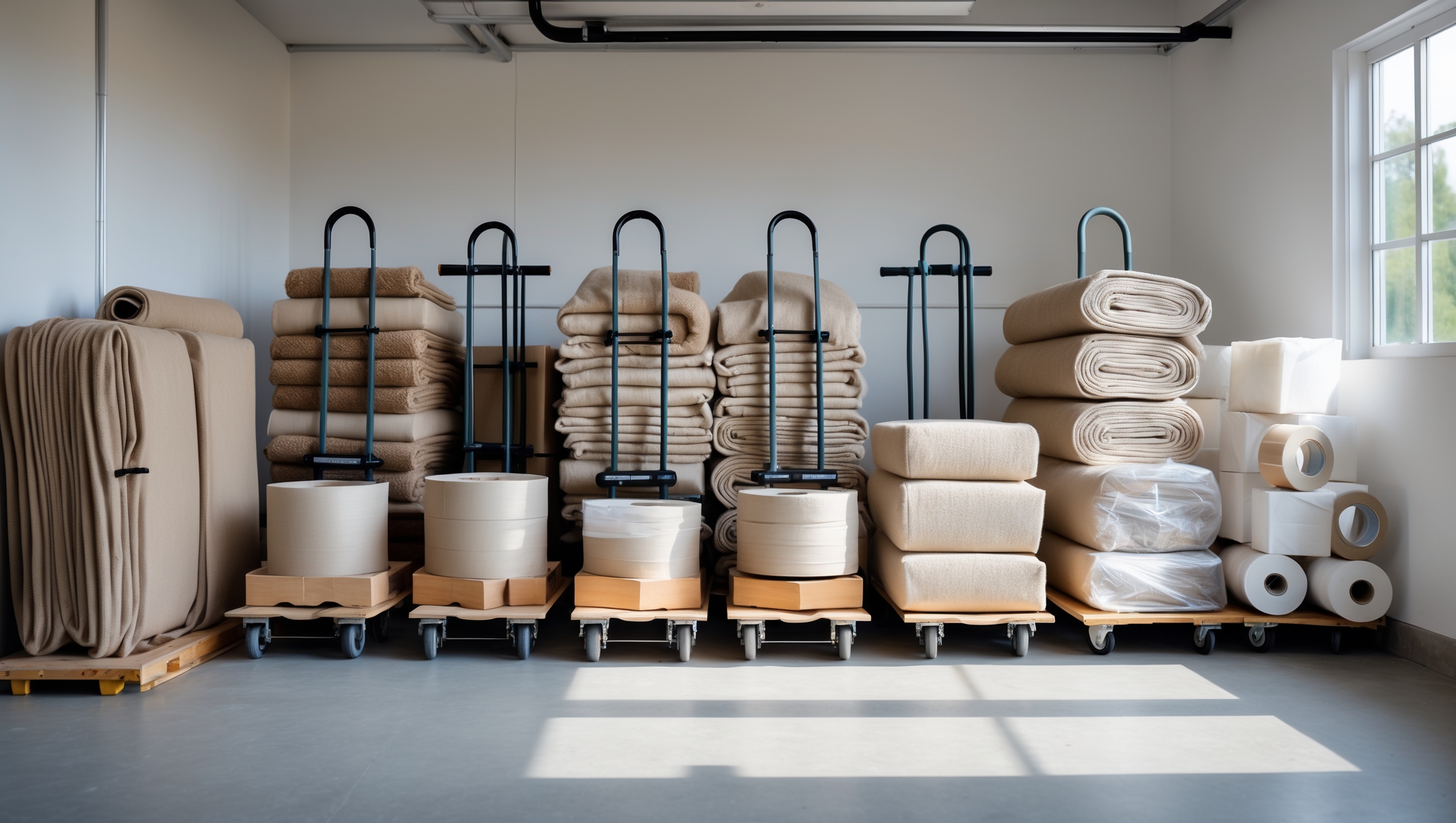
Introduction: Why the Right Tools Make All the Difference
Moving can be one of life’s most stressful events, but having the right tools at your disposal transforms an overwhelming process into a streamlined, efficient operation. Whether you’re tackling a local move on your own, supporting friends, or simply want to understand what the professionals bring to every job, knowing which tools to use—and how to use them—can save you time, prevent costly damage, and keep everyone safer. This expert guide dives deep into the essential moving tools, explains their purposes, and offers practical, field-tested advice for getting the most out of each one. You’ll learn how to avoid common pitfalls, select the best gear for your needs, and master techniques that make even the most daunting items manageable. Let’s open the expert’s toolbox and reveal the secrets to a move that’s as smooth as it is safe.
The Core Moving Tools Every Expert Recommends
1. Dollies: The Backbone of Heavy Lifting
Hand truck dolly: This L-shaped, upright dolly is a staple for moving boxes, stacks of books, and small appliances. It allows a single person to handle heavier loads with minimal strain.
Four-wheel dolly (furniture dolly): With a flat platform and sturdy wheels, this tool is ideal for moving bulky furniture, dressers, or stacked boxes. Its low profile makes it easy to slide under items, reducing the risk of back injuries.
- Choose a hand truck with pneumatic tires for outdoor use or rough surfaces.
- Use furniture dollies with non-marring wheels to protect floors.
2. Moving Blankets and Pads: Protection Above All
Thick, quilted moving blankets are essential for protecting furniture, appliances, and even doors or banisters from scratches, dents, and dings. They’re reusable, absorb impact, and can be secured with stretch wrap or moving bands.
- Wrap fragile items and secure blankets with tape or stretch film.
- Line doorways and high-traffic areas to prevent accidental bumps.
3. Straps and Tie-Downs: Securing Loads for Transit
Ratcheting straps, rope, and bungee cords are indispensable for securing loads on dollies, inside moving trucks, or atop vehicles. They prevent shifting, which is a leading cause of in-transit damage.
- Opt for heavy-duty ratchet straps rated for at least 500 lbs.
- Learn to use the ratchet mechanism properly—never overtighten, which can damage belongings.
4. Hand Tools: The Unsung Heroes
A basic toolkit should always be on hand during a move. At minimum, include a screwdriver set (both flat and Phillips), adjustable wrench, Allen wrenches, utility knife, pliers, and a hammer. These tools allow you to disassemble furniture, remove doors, and handle last-minute adjustments.
- Keep tools in a labeled, easily accessible toolbox.
- Bag and label all hardware from disassembled furniture to avoid confusion during reassembly.
5. Lifting Aids: For Safety and Efficiency
Specialized lifting straps and forearm forklifts distribute weight and leverage, making it possible to move heavy items with less strain and a lower risk of injury. They’re especially useful for tight hallways or stairs.
- Practice using lifting straps with lighter items first to master the technique.
- Always lift with your legs, not your back, and communicate with your partner.
6. Packing Tape and Dispensers: The Unsung MVPs
Quality packing tape secures boxes and moving blankets. Invest in a heavy-duty dispenser to make the process faster and avoid wasted tape.
- Use at least three strips of tape on box bottoms for added strength.
- Label dispensers so they’re easy to find in a sea of supplies.
7. Floor and Doorway Protection
Corrugated cardboard, carpet mask, or temporary floor runners protect your home from dirt, scratches, and accidental gouges during a move.
- Lay down runners along main paths before you start moving large items.
- Protect doorframes with foam covers or extra moving blankets.
Advanced Tools for Challenging Moves
1. Appliance Dollies
These are designed for refrigerators, washers, and other large appliances. They typically include straps and stair-climbing wheels, making them invaluable for multi-story moves.
- Always keep appliances upright—tilting can damage internal mechanisms.
- Secure appliances firmly to the dolly before moving.
2. Piano Boards and Skids
For specialty items like upright or grand pianos, these boards stabilize and protect the instrument during transport. Unless you have experience, it’s best to leave piano moving to professionals, but understanding the tools involved is useful for oversight.
- Use heavy-duty webbing straps and padding with a piano board.
3. Moving Crates
Custom-built crates are essential for valuable artwork, glass tabletops, chandeliers, or electronics. They offer unmatched protection when standard boxes won’t suffice.
- Measure twice and cushion all sides with foam or bubble wrap.
- Mark crates clearly with handling instructions.
4. Stair Rollers and Glide Boards
For extremely heavy or awkward items, stair rollers or glide boards reduce friction and make navigating stairs far safer.
- Attach securely and go slowly, with a helper stabilizing from below.
- Use only on sturdy, undamaged stairs.
How to Choose the Right Tools for Your Move
Assess Your Inventory
Start by making a detailed list of everything you need to move. Note especially heavy, fragile, or unusually shaped items. This will determine whether you need specialty dollies, appliance lifts, or custom crates.
Consider Your Space and Access Points
Measure doorways, hallways, and stairwells. Will large furniture fit through, or will it need to be disassembled? Tight spaces may call for lifting straps and compact dollies. For high-rise buildings, check if there are elevator restrictions or loading dock requirements.
DIY vs. Professional Help
If you’re moving with friends or family, choose tools that are ergonomic and easy to use. If you hire professionals, ask what equipment they provide and whether you need to supply anything extra.
Rental vs. Purchase
Many moving tools are available for rent at hardware stores or truck rental companies. For occasional moves, renting is cost-effective. But if you move frequently or want peace of mind, investing in your own equipment pays off over time.
Expert Tips for Using Moving Tools Safely and Effectively
Pre-Move Preparation
- Test all tools before moving day to ensure they’re in good working order.
- Inspect dollies and straps for damage; replace anything frayed or broken.
- Have extra blankets and tape on hand—unexpected needs always arise.
Safe Lifting and Transport Techniques
- Never rush—plan your path before you lift.
- Keep your back straight, knees bent, and grip firm.
- Communicate with your moving partner. Use clear commands for lifting, turning, and setting down.
- Don’t overload dollies or hand trucks—stick to manufacturer weight limits.
Efficient Loading and Unloading
- Load heavy items first in the truck, placing them against the wall to prevent shifting.
- Use straps to anchor tall or stacked items.
- Fill gaps with soft items or blankets to minimize movement during transport.
Tool Maintenance and Storage
- Clean and inspect all tools after use to ensure longevity.
- Store in a dry, accessible area for future moves.
- Keep an inventory list so nothing gets left behind or misplaced.
Avoiding Common Mistakes With Moving Tools
- Using the wrong dolly for the job—always match tool to item size and weight.
- Skipping protective padding on furniture or doors.
- Over-tightening straps, which can crush boxes or furniture.
- Ignoring manufacturer instructions for specialty tools.
- Forgetting to label hardware and toolboxes, causing frustration during reassembly.
Insider Tricks: Pro-Level Moving Tool Hacks
- Wrap moving blankets around banisters and sharp corners with painter’s tape for fast protection.
- Use rubber bands to secure doors and drawers on furniture instead of tape, which can damage finishes.
- Stack boxes on a furniture dolly in order of room destination, then roll them directly to the correct spot at your new place.
- Attach a checklist to your toolbox to ensure nothing gets left behind at either location.
- Consider color-coding moving straps or blankets for each room to speed up unloading and setup.
When to Call in the Professionals
Even the best-equipped DIY move has its limits. If you’re dealing with extremely heavy items (like pianos or large safes), valuable antiques, or a move involving lots of stairs or tight spaces, professional movers have the expertise and specialized tools to handle the challenge. They also carry insurance to cover accidental damage. When in doubt, consult a reputable moving company for an on-site assessment and a quote—compare their equipment to your own and decide what’s best for your situation.
Conclusion: Equip Yourself for a Smoother, Safer Move
The difference between a chaotic, stressful move and a smooth, successful one often comes down to having the right tools and knowing how to use them. Investing a little time in understanding what equipment you’ll need—and a little money in securing quality gear—pays off in less damage, fewer injuries, and a far more efficient process. Professional movers rely on a core set of tools for a reason: they work. Whether you’re moving across town or just across the hall, adopting these expert strategies will help you work smarter, not harder.
Remember, preparation is your best friend. Take the time to plan your tool needs, inspect your equipment, and familiarize yourself with safe handling techniques. Don’t cut corners when it comes to protection—your furniture, your home, and your back will thank you. And if you run into challenges beyond your skill or comfort level, don’t hesitate to call in the pros. After all, the goal isn’t just to get your belongings from point A to point B—it’s to do so safely, efficiently, and without unnecessary stress. With the expert’s toolbox at your side, you’ll be ready for whatever moving day throws your way.
Do you have any advice on how to choose between a hand truck dolly and a furniture dolly if I only want to buy one for a small apartment move?
For a small apartment move, a hand truck dolly is often more versatile. It allows you to easily move boxes and smaller appliances up and down stairs and through tight spaces. A furniture dolly is best for bulky, heavy furniture but might be less useful if you have mostly boxes or lighter items.
I noticed you recommend using furniture dollies with non-marring wheels to protect floors—are there any specific brands or materials you suggest for older hardwood floors to minimize the risk of scratches?
For older hardwood floors, look for dollies with rubber or polyurethane wheels, as these materials are gentle on surfaces. Brands like Rubbermaid and Milwaukee offer models with non-marring wheels specifically designed to prevent scratches. Always ensure the wheels are clean before use to avoid any debris causing damage.
Could you elaborate on how to properly secure moving blankets with stretch wrap versus tape? I’ve run into issues where the blankets slipped during transport and would love tips to prevent that.
To secure moving blankets, stretch wrap is generally better than tape because it clings tightly and holds blankets in place. Wrap the stretch film around the entire item several times, overlapping each layer, especially at the edges. With tape, use heavy-duty packing tape and make sure it sticks only to the blanket, not the furniture. Pull the blanket taut and tape securely in several spots. Stretch wrap tends to prevent slipping more effectively during transport.