

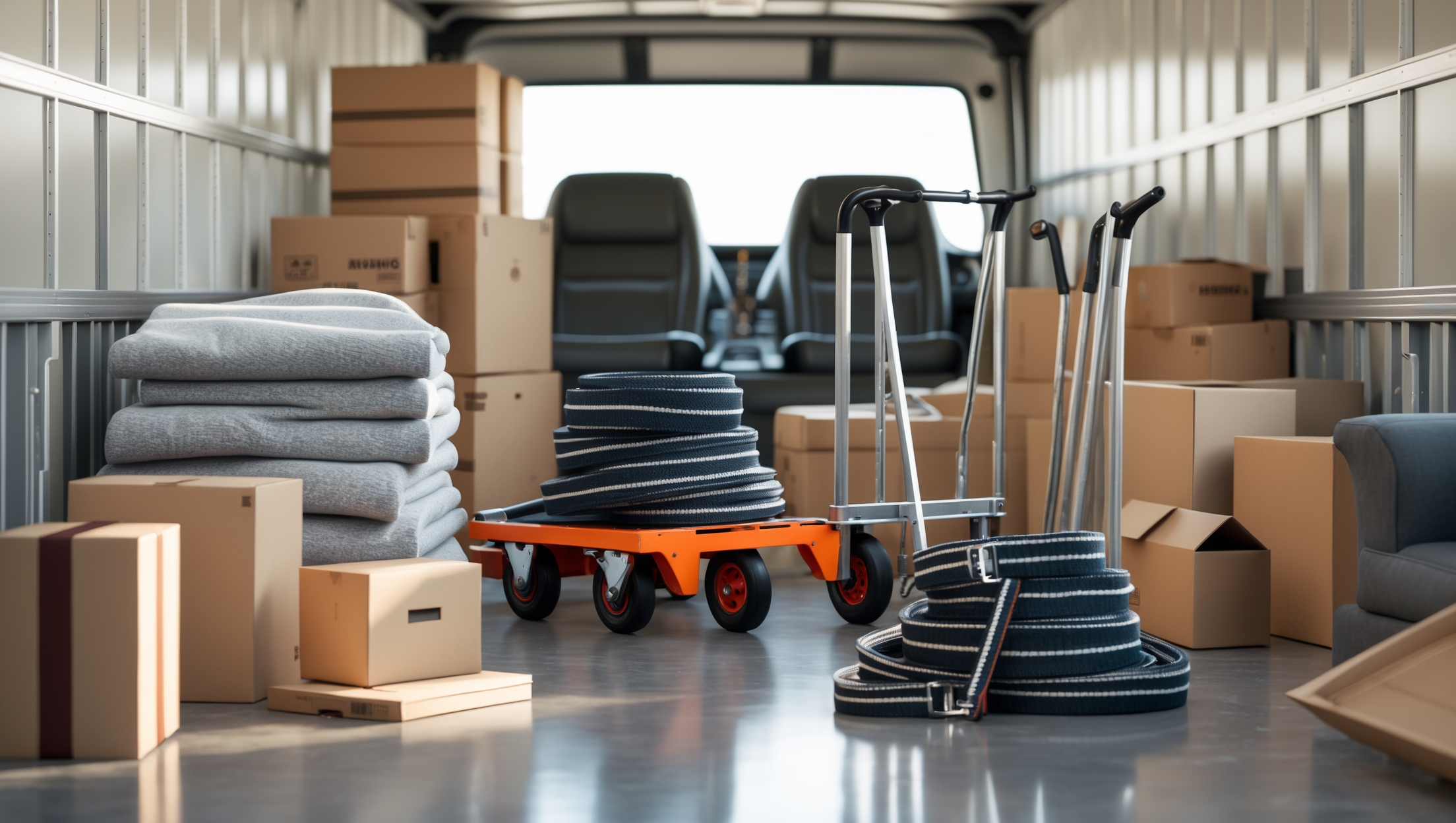
Introduction: Why Renting Moving Equipment Can Make or Break Your Move
Moving is one of life’s most logistically challenging events, and having the right equipment can mean the difference between a smooth, efficient day and a stressful, injury-prone ordeal. While some movers opt to purchase supplies, renting moving equipment often provides a cost-effective, practical solution—especially for those who move infrequently or are tackling larger items. However, with so many rental options available, knowing what to choose, how to budget, and how to use the tools safely is essential. In this expert guide, we’ll dive deep into the world of moving equipment rentals, covering everything from the most critical items for various move types, to insider budgeting tips and strategies for maximized safety and efficiency. Whether you’re a DIY mover or hiring professionals, understanding equipment rental will help you move smarter, faster, and with less risk.
Understanding Your Moving Needs: The Foundation of Equipment Selection
Assessing the Scope and Scale of Your Move
Before making any rental decisions, take stock of your move:
- Volume of Items: Count the number and types of large items (sofas, appliances, beds) and boxes.
- Distance: Are you moving locally or long-distance? Some equipment is more suitable for short trips, others for extended travel.
- Loading Environment: Consider stairs, elevators, narrow hallways, and thresholds at both locations.
- Labor: Will you have help, or are you moving solo? Some equipment is designed for one-person use, others require a team.
Creating a Custom Equipment Checklist
Start with these essentials and add based on your unique needs:
- Dollies and Hand Trucks: For boxes, appliances, and furniture.
- Furniture Pads and Moving Blankets: To protect delicate surfaces and prevent scratches.
- Straps and Tie-Downs: For securing loads in vehicles and on dollies.
- Furniture Sliders: To move heavy items across floors without damage.
- Appliance Lifts: For refrigerators, washers, and other bulky items.
- Ramps: For loading and unloading from trucks, especially when there are no loading docks.
- Toolkits: For disassembling furniture and appliances safely.
Evaluate specialty equipment for unique items such as safes or pianos (often available as separate rentals).
Renting vs. Buying: Making the Smart Choice
When Renting Makes Sense
Renting is usually the best option when:
- You’re moving only once or infrequently.
- You need professional-grade tools you wouldn’t otherwise use.
- Storage space is limited after the move.
- Your budget can’t justify purchasing multiple expensive items.
The Cost-Benefit Analysis
Compare the following:
- Rental Fees: Typically charged per day, with discounts for weekly rentals.
- Purchase Price: Consider how often you’ll use the tool post-move.
- Depreciation: Resale value is often low for used moving equipment.
- Maintenance: Rental companies handle maintenance and repairs, while owners are responsible for upkeep.
For most residential moves, renting offers the best balance of cost, convenience, and access to high-quality equipment.
Budgeting for Equipment Rental: Expert Strategies
Understanding Rental Pricing Structures
Rental companies price equipment in several ways:
- Hourly, Daily, or Weekly Rates: Plan ahead to avoid overtime charges.
- Package Deals: Some companies bundle dollies, blankets, and straps at a discounted rate.
- Deposit Requirements: Prepare for refundable security deposits, particularly for specialty items or large orders.
- Delivery and Pickup Fees: Factor in charges if you can’t transport the equipment yourself.
- Late Return Penalties: Return equipment promptly to avoid extra fees.
Estimating Quantities: Don’t Under-Order
It’s better to have a few extra pads or an extra dolly than to struggle mid-move. As a rule of thumb:
- Rent one furniture dolly per two large items.
- Order at least one moving blanket per major piece of furniture.
- Have extra straps on hand for unexpected needs.
Budget Worksheet Template
Use this sample worksheet to plan your rental expenses:
- Dollies (qty x rate x days): $___
- Hand Trucks: $___
- Furniture Pads/Blankets: $___
- Straps/Tie-Downs: $___
- Ramps: $___
- Specialty Equipment: $___
- Delivery/Pickup: $___
- Deposit: $___
- Estimated Total: $___
Build in a 10-15% contingency for unexpected needs.
How to Choose a Reliable Rental Company
Credentials and Reputation
Look for companies with:
- Strong online reviews and testimonials.
- Proper licensing and insurance.
- Clear rental agreements and transparent pricing.
- Responsive customer service (ask questions before booking).
Inspecting Equipment Before Use
Always check:
- Dollies/hand trucks for bent frames or sticking wheels.
- Pads and blankets for cleanliness and absence of odors or tears.
- Straps for fraying or damaged buckles.
- Lifts for smooth operation and safety locks.
Report defects before leaving the premises to avoid liability.
Essential Equipment: Expert Picks and Use Cases
Dollies and Hand Trucks
Furniture Dollies: Low, flat platforms with four wheels. Ideal for sofas, dressers, and boxes stacked together. Can reduce strain and speed up loading.
Appliance Dollies: Upright models with straps and stair climbers. Use for refrigerators, washers, and other heavy appliances; always secure the load before moving.
Utility Hand Trucks: Two-wheelers for boxes and smaller items. Useful for one-person moves or tight spaces.
Furniture Pads and Moving Blankets
Critical for protecting wood, glass, and leather. Wrap each item fully and secure with tape or stretch wrap for transit. Double-wrap antiques or high-value pieces.
Straps, Tie-Downs, and Rope
Use ratchet straps for heavy loads; avoid bungee cords, which can snap. Secure items to truck walls or rails to prevent shifting.
Sliders and Glides
Place under heavy furniture legs to move across hardwood or tile without damaging floors. Choose sliders matched to your flooring type (plastic for carpet, felt for hardwood).
Ramps
Aluminum ramps are lightweight yet sturdy. Always secure ramps to the truck before use, and test with a light load first. Never exceed the ramp’s weight rating.
Specialty Lifts and Hoists
For pianos, safes, or extra-heavy items. Some rental companies offer training on safe use—take advantage of this if available.
Safe and Efficient Use: Pro Tips
Proper Lifting and Loading Techniques
- Lift with your legs, not your back.
- Keep the load close to your body.
- Use straps to anchor tall items to hand trucks.
- Slide, don’t drag, heavy furniture when possible.
Teamwork and Communication
- Assign roles: one person steers, others stabilize.
- Use clear verbal cues when moving large items.
- Never rush—steady, coordinated movement is safer and more efficient.
Truck Loading Strategy
- Load heavy items first, against the cab.
- Fill gaps with boxes and soft items to prevent shifting.
- Use straps to secure each layer as you go.
- Keep a pathway clear for unloading at the destination.
Common Pitfalls and How to Avoid Them
Underestimating Equipment Needs
“I’ll just carry it” often leads to injury or damage. Rent extra pads, an additional dolly, and more straps than you think you’ll need.
Neglecting Safety Precautions
Always check equipment for defects before use. Wear gloves and closed-toe shoes. Never attempt to move heavy appliances alone.
Returning Equipment Late or Damaged
Plan for buffer time in your rental period. Clean equipment before return and document its condition with photos.
Special Considerations: Moves with Unique Challenges
Stairs and Multi-Level Homes
Rent stair-climbing dollies or appliance lifts. For tight stairwells, measure clearances in advance and consider partial disassembly of large items.
Urban Moves and Parking Constraints
If curb access is limited, portable ramps and compact dollies are invaluable. Reserve curb space with local permits if needed.
Long-Distance Moves
Ask about weekly rental rates and drop-off options at your destination. Some companies allow one-way rentals for added convenience.
Cleaning, Returning, and Closing Out Your Rental
Cleaning and Maintenance
- Wipe down dollies and blankets to remove dirt and debris.
- Check for lost straps or missing parts before returning.
- Report any damage immediately to avoid disputes.
Documenting Returns
- Take photos of all equipment upon return.
- Request a signed receipt or confirmation from the rental company.
- Follow up on deposit refunds within a week.
Conclusion: Maximize Your Move with Smart Equipment Rental
Renting moving equipment isn’t just for professional movers—it’s a savvy strategy for anyone who wants to protect their belongings, avoid injury, and move efficiently. By assessing your needs, budgeting carefully, choosing reputable rental providers, and using equipment safely, you’ll set yourself up for a stress-free relocation. Remember, the right tools can dramatically reduce the time, effort, and strain involved in moving, while minimizing the risk of costly damage or personal injury. Don’t cut corners; invest in the equipment that matches your specific move. And when in doubt, consult with the rental experts—many companies offer advice tailored to your inventory and route. With careful planning and the right gear, your next move can be smoother, safer, and even a little enjoyable. Here’s to moving smarter, not harder!
Could you give more details on how to estimate the number of dollies or moving blankets needed based on the size of a three-bedroom house?
For a three-bedroom house, you’ll typically need 3 to 5 dollies—one for each major area or for multiple movers working at once. As for moving blankets, plan on 20 to 30 blankets to cover furniture, appliances, and fragile items. Adjust up or down depending on how much furniture and how many valuables you have.
When moving solo, do you have any recommendations for specific equipment that’s easiest for one person to handle, especially for getting heavy items down stairs safely?
For solo moves, a lightweight hand truck or appliance dolly with stair-climbing wheels is very helpful for heavy items. Consider moving straps or forearm lifting straps as well—they provide extra leverage and control. Make sure whatever you choose has good grip handles and secure straps to keep items stable while you navigate stairs.
Can you give some advice on how to budget for moving equipment rentals when you’re not sure how long the move will actually take? Are there tips for avoiding unexpected extra fees?
When the move’s duration is uncertain, estimate generously and ask rental companies about daily, weekly, and monthly rates—sometimes longer rentals are cheaper per day. Always clarify late fees, overtime charges, and fuel or cleaning fees upfront. Consider padding your rental time to avoid last-minute extensions, and get all fee details in writing to prevent surprises.
If I’m moving solo and have tight hallways and stairs at both locations, are there recommended rental tools or tips to make the job safer and easier for one person?
For solo moves with tight hallways and stairs, a lightweight convertible hand truck or a stair-climbing dolly can be a real help. Consider renting moving straps or a harness to better balance heavier items. Disassemble large furniture when possible and use furniture sliders for easier maneuvering. Make sure to clear pathways ahead of time to reduce lifting and turning in tight spots.
If I’m moving by myself and have to deal with stairs in both my old and new place, which equipment is absolutely necessary to make things safer and easier?
For moving by yourself with stairs involved, a sturdy appliance dolly with straps is essential for heavier items. Consider renting a stair-climbing dolly for even easier handling. Don’t forget moving blankets to protect your belongings, and high-quality work gloves for your safety. If possible, also use furniture sliders for bulky items and a lightweight folding hand truck for boxes.
If I’m only moving a small apartment locally and have a sedan, do you think it’s practical to just rent furniture pads and sliders, or is it worth getting a hand truck too for the boxes?
For a small local move with a sedan, renting furniture pads and sliders is a great start for protecting your items and floors. However, a hand truck can make moving heavy or stacked boxes much easier and safer, especially if you have stairs or larger boxes. If you expect to have more than a few light boxes, it’s definitely worth considering.
You mentioned renting is often more budget-friendly, but are there types of moving equipment that are better to buy if I move every couple of years rather than rent each time?
If you move every few years, certain items like moving dollies, furniture sliders, and basic hand trucks can be worth buying instead of renting. These tools are relatively inexpensive, last long, and come in handy for rearranging furniture between moves as well. Larger or specialized equipment, like appliance lifts or ramps, is usually better to rent only when needed.
If I’m moving by myself without extra help, which of the equipment options listed would be practical for solo use and safety?
For a solo move, focus on equipment that enhances safety and reduces strain, like a hand truck (dolly), moving straps, and furniture sliders. These tools are designed for one-person use and can help you maneuver heavy items with less risk of injury. Avoid larger or two-person lifts unless you have help.
You mentioned creating a custom checklist for equipment rentals. Is there a way to estimate how many moving blankets or straps I should rent based on the size of a three-bedroom house?
For a three-bedroom house, you’ll typically need about 15 to 20 moving blankets to protect furniture and fragile items. For straps, plan on renting 4 to 6, depending on how many large items and appliances you have. Adjust these numbers based on the amount and size of your belongings.