

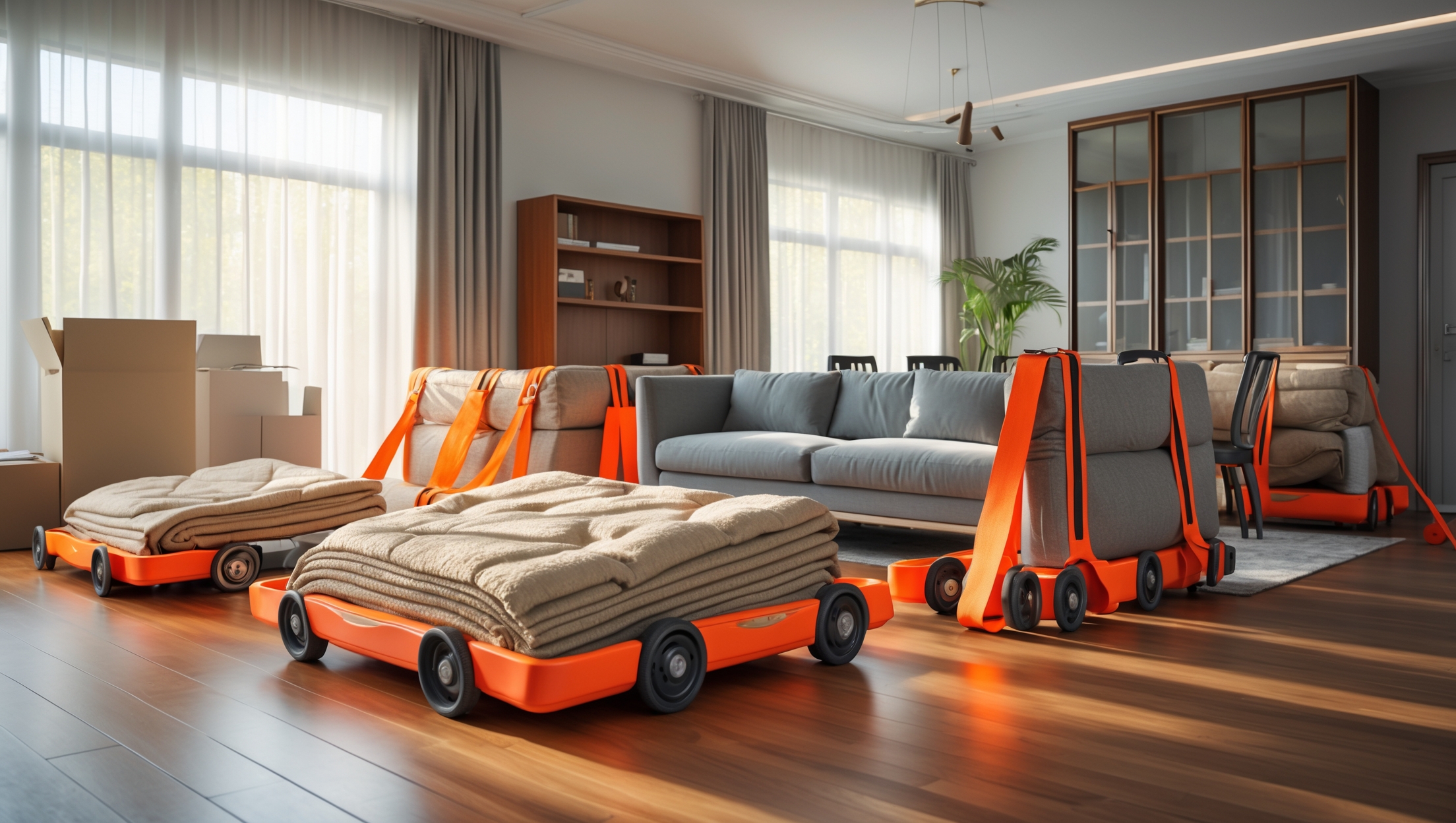
Introduction: The Challenge of Moving Large Furniture
Whether you’re relocating across town or across the country, moving large furniture is one of the most daunting aspects of the process. Heavy sofas, oversized armoires, solid wood tables, and king-size beds are not only cumbersome but also at high risk for dings, scratches, and structural damage during a move. Many movers underestimate the complexity of shifting big pieces, leading to personal injuries, property damage, or ruined furniture. Yet, with the right strategies, tools, and know-how, even the bulkiest items can be moved safely and efficiently. In this comprehensive guide, moving experts share practical, field-tested techniques for planning, preparing, and executing a damage-free move for your largest and most valuable furnishings. We’ll cover everything from selecting the right equipment to protecting floors and walls, navigating tight spaces, and using proven lifting techniques—ensuring both your furniture and your back arrive at your new home in perfect condition.
Planning Ahead: Assessment and Preparation
Take Inventory and Measure Everything
Start by making a detailed inventory of all large furniture pieces you intend to move. Note their dimensions, weight, and construction materials. Use a tape measure to record height, width, and depth, as well as the clearance of doorways, hallways, staircases, and elevators along your moving route. This step helps determine if any items need to be partially disassembled or if alternative paths are necessary.
- Use a digital note-taking app or spreadsheet to track measurements and logistics for each item.
- Take photos of complex assemblies (like bed frames or modular sofas) to aid reassembly.
Clear the Path
Before moving day, create a clear path from each room to the exit. Remove rugs, low-hanging fixtures, wall art, and decorative objects. Prop doors open using wedges and ensure all walkways are free of clutter and tripping hazards. If you need to move furniture through outdoor spaces, check for wet, muddy, or uneven surfaces and plan accordingly.
Gather the Right Tools and Supplies
- Furniture dollies: Heavy-duty, four-wheeled platforms designed to bear significant weight.
- Hand trucks: Upright carts ideal for transporting tall or stacked items.
- Lifting straps: Ergonomic harnesses that help distribute weight and reduce strain.
- Moving blankets: Thick, padded covers to protect surfaces from scratches and impacts.
- Plastic stretch wrap: Secures drawers and cushions, and protects against dust and moisture.
- Disassembly tools: Screwdrivers, Allen keys, pliers, and zip bags for hardware.
- Gloves: Non-slip, padded gloves improve grip and prevent hand injuries.
- Floor protection: Use cardboard, plastic sheeting, or adhesive carpet film to safeguard floors.
Disassembly: When and How to Break Down Furniture
Identify Removable Components
Disassembling large furniture makes it easier and safer to transport. Remove legs from tables and sofas, take apart bed frames, and detach shelves or doors from cabinets. If possible, remove cushions and drawers to lighten the load. Always save all hardware in labeled bags taped to the main furniture piece for easy reassembly.
Expert Disassembly Tips
- Consult the manufacturer’s instructions for specific disassembly guidelines.
- Use a power screwdriver to speed up the process for items with many screws.
- Label each piece with masking tape or colored stickers to avoid confusion at your new home.
- Take photos at key steps for reference.
Protecting Furniture and Home Surfaces
Wrapping and Padding Techniques
Proper wrapping is crucial to prevent scratches, dents, and upholstery tears. For wood or metal pieces, use moving blankets or bubble wrap, securing them with stretch wrap or packing tape (avoid tape directly on furniture surfaces). For upholstered items, wrap in plastic stretch film followed by moving blankets for double protection. Pay extra attention to corners and edges with additional padding.
Safeguarding Floors, Walls, and Doorframes
- Apply corner guards to walls and doorways in high-traffic areas.
- Lay down cardboard or carpet film along the main paths to protect floors from scratches and dirt.
- Use felt pads under furniture feet for temporary moves within the home.
Lifting and Carrying: Safe, Efficient Techniques
Proper Body Mechanics for Heavy Lifting
- Lift with your legs, not your back: Bend at the knees, keep your back straight, and engage your core.
- Keep items close to your body to reduce strain and maintain balance.
- Work in teams for anything over 50 pounds—never attempt to move large furniture alone.
- Communicate clearly with your moving partner about direction and timing.
Using Moving Equipment Effectively
- Furniture dollies: Center heavy items on the dolly, secure with straps, and move slowly.
- Lifting straps: Adjust straps for your height, hook under the item, and lift together in sync.
- Hand trucks: Tilt the load back gently and keep one hand on the item for stability.
Navigating Stairs and Tight Spaces
When moving large furniture upstairs or through narrow hallways, take it slow and plan every step. Assign one person as a spotter to guide and help balance the load. For stairs, lift one end higher to maintain an angled position and always keep the heavier side on the lower step. If an item is too large, consider temporary removal of doors or banisters.
Loading and Securing Furniture in the Moving Truck
Strategic Loading Order
- Load heaviest and largest items first, placing them against the truck’s front wall for stability.
- Distribute weight evenly on both sides to prevent shifting during transport.
- Stack lighter, fragile items on top, never underneath heavy furniture.
Securing Items for Transit
- Use ratchet straps or rope to anchor large furniture to the truck’s tie-down points.
- Fill gaps with soft items (pillows, blankets) to prevent movement.
- Double-check all straps for tightness before driving off.
Common Mistakes to Avoid
- Failing to measure furniture or doorways, resulting in last-minute scrambles.
- Attempting to move oversized items without help or proper equipment.
- Packing the truck haphazardly, risking damage or instability.
- Neglecting to protect both the furniture and home surfaces.
- Rushing the process and ignoring safe lifting techniques.
Special Considerations for Antique and High-Value Pieces
For antiques or especially valuable furniture, take extra precautions. Consult with a professional mover about custom crating or specialized padding. Photograph each item thoroughly before the move to document its condition. If possible, transport extremely delicate pieces separately or with a dedicated mover.
Post-Move: Unloading and Reassembly
Unwrapping and Inspecting
Upon arrival, carefully remove all wrapping and padding. Inspect each piece for any new damage. If you notice issues, document them with photos and report them to your moving company or insurance provider immediately.
Reassembling Large Furniture
- Refer to your pre-move photos and labeled hardware bags to speed up reassembly.
- Tighten screws and bolts securely, but avoid overtightening which can strip threads or crack wood.
- Wipe down furniture with a soft, damp cloth to remove dust or debris from the move.
Expert Tips for a Stress-Free Furniture Move
- Schedule your move for early in the day when you’re fresh and alert.
- Dress in comfortable, close-fitting clothes and closed-toe shoes with good traction.
- Stay hydrated and take regular breaks, especially during hot or cold weather.
- Have basic first aid supplies handy for minor scrapes or bumps.
- Don’t hesitate to hire professional movers for extremely large or valuable items.
Conclusion: Move Smarter, Not Harder
Moving large furniture doesn’t have to be a nerve-wracking ordeal. By planning ahead, gathering the right tools, and following expert techniques, you can protect your prized possessions and your new home from avoidable damage. Remember: measuring, disassembling, wrapping, and safe lifting are the cornerstones of a successful move. Don’t cut corners on preparation—taking the time to wrap furniture properly, clear your route, and communicate with your helpers will pay off in fewer mishaps and a less stressful experience. And if you’re ever in doubt, professional movers have the skills and equipment to handle even the trickiest items. Ultimately, a smart approach to moving large furniture will save you time, money, and headaches, letting you start your new chapter with your favorite furnishings intact. Invest in the process, prioritize safety, and enjoy the satisfaction of a move completed with care and confidence.
When taking inventory and measuring furniture, do you have any tips for handling oddly shaped items like antique chairs or curved sofas? I often struggle to figure out if they’ll fit through tricky spaces.
For oddly shaped pieces like antique chairs or curved sofas, measure the widest, tallest, and deepest points, including any protrusions. Use painter’s tape to outline these dimensions on the floor to visualize fit. Also, consider measuring doorways, hallways, and tight corners to anticipate any tricky spots.
I noticed you mentioned measuring doorways and hallways before moving big furniture. Do you have any tips for what to do if a couch or table is still too large to fit after measuring, apart from disassembling it?
If your furniture is still too large to fit even after measuring, try changing the angle—tilting or standing pieces upright can sometimes work. Removing legs or cushions, if possible, might also help reduce the size. In some cases, temporarily removing doors from their hinges or using a window or balcony as an alternate entry can solve the problem.
If I have to partially disassemble something but I’m worried about putting it back together later, what’s the best way to keep track of hardware and remember how everything fits during reassembly?
Taking clear photos at each step while disassembling is very helpful—you can refer back during reassembly. Keep screws and small hardware in labeled bags or containers, grouping them by stage or section. A notepad for quick sketches or notes about tricky parts can also make putting everything back together much easier.
I’m wondering what the safest way is to move a heavy wood dining table down a narrow staircase if taking it apart isn’t really possible. Do you have any tips on maneuvering in tight spaces like that?
When moving a heavy wood dining table down a narrow staircase, use blankets to protect both the table and walls from scratches. Have at least two people lift at opposite ends, keeping the table upright and close to the body. Move slowly, communicate clearly, and pivot carefully around corners. If possible, wear gloves for a better grip and consider using lifting straps for more control.
If I measure my furniture and it looks like it will barely fit through a hallway or doorway, is it better to partially disassemble the piece, or do movers usually try to angle it through first?
If your furniture just barely fits, movers typically try angling it through first, as this can sometimes be enough. However, if it’s very close or risks damage to the walls or the furniture, partial disassembly is safer and often recommended to avoid scratches or dents.
If I need to partially disassemble something like a king bed frame, what are the best ways to keep track of all the hardware and make sure I don’t lose any small pieces during the move?
An easy way to keep track of all the hardware is to place screws, bolts, and small parts in a sturdy resealable bag as you remove them. Label the bag with the furniture name and tape it securely to a larger part of the bed frame. Taking photos during disassembly can also help you remember how everything fits together when reassembling.
When measuring furniture and doorways as the article suggests, do you recommend including handles and legs in the measurements, or should those be removed first for accuracy?
Include handles and legs in your measurements if you plan to move the furniture with them attached, since they often add extra width or length. If you’re planning to remove them before moving, measure the furniture without those parts for a more accurate fit through doorways.
When measuring big furniture for tight hallway or staircase clearances, do you have any tips for dealing with pieces that have awkward shapes or wider bases? Sometimes my sectional or dresser seems to barely fit in one area but gets stuck in another.
For awkwardly shaped furniture or pieces with wider bases, measure at the furniture’s largest points, especially diagonal widths or protruding parts. Try to disassemble what you can, and consider rotating or tilting items to fit through tight spots. Using cardboard or blankets can also help protect both the furniture and walls during tricky maneuvers.
You mention propping doors open and clearing paths ahead of time—are there any tips for dealing with narrow staircases or tight corners that are unavoidable during the move?
When dealing with narrow staircases or tight corners, try removing legs or detachable parts from furniture to make it smaller and easier to maneuver. Use moving blankets to protect both the furniture and the walls. It’s also helpful to tilt pieces at an angle or use the ‘hook’ method, turning items upright to navigate around corners more easily. Always measure spaces ahead of time to plan your path.
Could you share any advice for small businesses that need to move heavy items like display cases through tight staircases, especially when hiring professional movers isn’t in the budget?
When moving heavy items like display cases through tight staircases without professional help, disassemble pieces if possible and remove drawers or shelves to lighten the load. Use moving straps and furniture sliders for better control and protection. Make sure you have enough helpers to guide and spot the item, communicate clearly, and move slowly to avoid damage or injuries.
When taking an inventory of my large furniture, how do I estimate if something is too heavy or awkward for two people to move safely without risking injury?
To estimate if a piece is too heavy or awkward for two people, consider both the weight and shape. Generally, if an item weighs over 100 pounds or is difficult to grip or maneuver through doorways, it may be unsafe. Test by slightly lifting one edge—if it’s a struggle or feels unstable, get extra help or use moving equipment.
You mention using a digital note-taking app or spreadsheet to track measurements and logistics. Is there a particular app you find most effective for coordinating moves when multiple people are involved?
For coordinating moves with several people, Trello can be especially effective. It lets you create boards, assign tasks, and track progress in real time. Google Sheets is also handy for sharing measurements and schedules, since everyone can update information simultaneously. Both options make collaboration and communication much easier during a move.
Could you suggest any affordable moving equipment or tools that a beginner could use to help protect both the furniture and walls during the process?
Absolutely! For beginners, consider using moving blankets to wrap and protect furniture surfaces and corners. Furniture sliders make moving heavy items easier and prevent floor scratches. Door frame protectors and foam padding can help shield walls and tight spaces. You can often find these items at hardware stores or rent them from moving supply companies for a low cost.
What should I do if I find out on moving day that a large sofa won’t fit through the doorway, even after planning ahead and measuring like you suggested?
If your sofa doesn’t fit through the doorway despite your planning, try removing its legs or detachable parts to reduce its size. If it still won’t fit, consider rotating it to different angles or carrying it vertically. As a last resort, you might need to temporarily remove the door from its hinges or consult a professional mover for alternate solutions like window removal.
The article advises protecting floors and walls during a move—are there affordable materials or DIY methods you recommend for renters who want to avoid any chance of damage charges?
For renters, inexpensive options include using old blankets, towels, or cardboard sheets to protect floors and walls. You can also use socks or fabric scraps to cover sharp furniture edges. Felt pads, which are very affordable, can be placed under furniture legs to prevent scratches. These DIY methods should help you avoid damage and potential charges.
Could you elaborate on the safest way to partially disassemble furniture if the original assembly instructions are missing, especially for older or custom pieces?
When disassembling older or custom furniture without instructions, start by taking clear photos from multiple angles to document how parts fit together. Remove obvious screws or bolts first, keeping hardware in labeled bags. Work slowly and avoid forcing any components. If you encounter resistance, look for hidden fasteners or dowels. If unsure, consult a furniture repair specialist to prevent accidental damage.
Could you elaborate on how to handle large, heavy items when you live in a building with narrow hallways or tight staircases? Are there specific techniques or tools recommended for those situations?
When moving large, heavy items through narrow hallways or tight staircases, it’s helpful to disassemble furniture whenever possible and remove doors if needed. Use moving straps or a furniture dolly to maneuver bulky items safely. Protective padding helps prevent wall and item damage. Angling items and moving them slowly with a partner can also make navigation easier.
If you’re moving heavy furniture by yourself or with just one other person, are there affordable tools or techniques you’d suggest for protecting both the furniture and your body, especially for big pieces like sofas or solid wood tables?
For moving heavy furniture with limited help, use furniture sliders under legs to protect floors and make sliding easier. Lifting straps help distribute weight and reduce strain on your back. Wrap pieces with moving blankets or towels to avoid scratches. Disassemble furniture if possible, and always lift with your legs, not your back.
What kind of tools or equipment would you recommend for a small business owner trying to move heavy furniture with just one or two employees, especially if hiring professional movers is outside our budget?
For moving heavy furniture with a small team, consider using furniture dollies, lifting straps, moving blankets, and sliders. A hand truck can also be very helpful for transporting bulky items. These tools protect both your staff and your furniture, making the process safer and more efficient without the need for a large crew.
When measuring doorways and hallways as you suggest, do you have any tips for situations where the clearance is just slightly too small for a large piece? Is removing doors usually enough or do you recommend partial disassembly in most cases?
If the clearance is just slightly too tight, removing doors from their hinges can provide you with a valuable extra inch or two. However, for very bulky or irregularly shaped items, partial disassembly—such as taking off legs, arms, or detachable sections—is often the safest way to avoid damage to both the furniture and your home.
How do you safely protect hardwood floors and carpets from scratches or dents when sliding really heavy items like solid wood tables, especially if you don’t have access to professional moving blankets?
To protect hardwood floors and carpets without moving blankets, you can use thick towels, old blankets, or even large pieces of cardboard under the furniture legs. For really heavy pieces, sturdy furniture sliders or felt pads (if you have them) work well. Always lift slightly when positioning the padding to avoid dragging directly on the floor.
If you’re moving alone or on a tight budget, are there any affordable alternatives to professional moving equipment for protecting floors and walls when shifting heavy furniture?
Absolutely, there are affordable ways to protect your floors and walls when moving heavy furniture alone. You can use old towels, blankets, or cardboard pieces under furniture to prevent scratches. For walls and doorways, hanging blankets or using foam pool noodles cut lengthwise can help cushion impacts. These household items are inexpensive and effective substitutes for professional gear.