

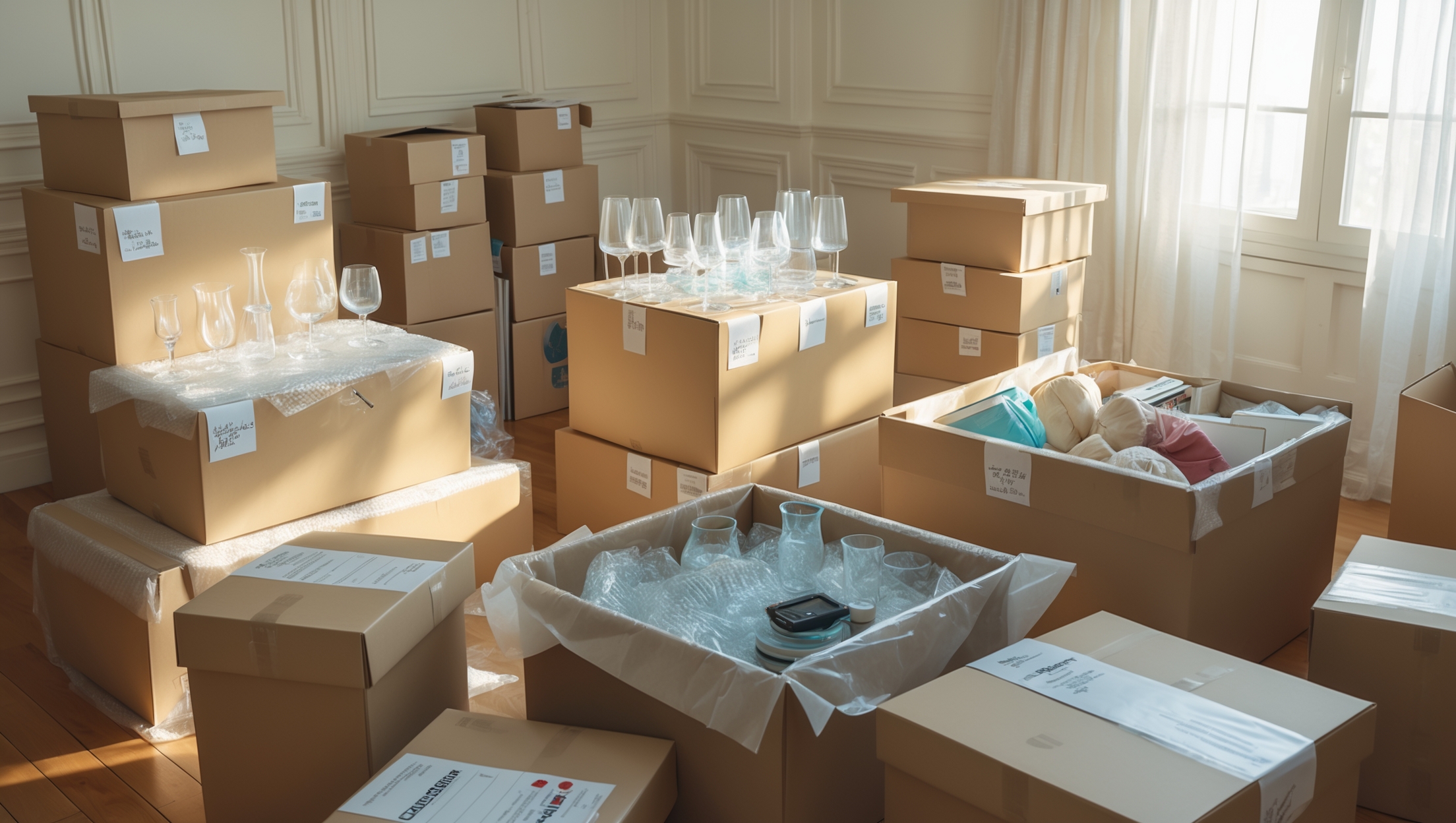
Introduction: Why Packing Fragile Items Correctly Matters
Moving to a new home or office involves more than just loading boxes and transporting them to another location. Among the most nerve-wracking aspects of any move is ensuring your fragile items—glassware, ceramics, electronics, artwork, vases, and collectibles—arrive in perfect condition. One wrong bump, an unanticipated jolt, or inadequate packing can result in broken treasures and costly replacements. While professional movers have their own tricks, you can achieve the same results with the right approach and materials. This comprehensive guide, crafted by moving experts, will walk you through every stage of packing delicate items safely. We’ll cover the best materials, proven wrapping and boxing methods, essential labeling tips, and how to handle specialty items. Whether you’re a first-timer or a seasoned mover, these techniques will help you prevent heartache and expense by ensuring your valuables arrive unscathed.
Essential Packing Materials for Fragile Items
What You Need Before You Start
Before you pack a single plate or vase, gather the right supplies. The correct materials do more than just cushion—they also help absorb shock and prevent shifting during transit.
- Sturdy, double-walled boxes: Choose small to medium sizes for heavier fragile items to prevent overpacking and box collapse.
- Bubble wrap: Opt for both small and large bubble sizes for different item types.
- Packing paper: Unprinted, acid-free paper is best for wrapping and void filling.
- Foam sheets or peanuts: Use as extra cushioning, especially for electronics and odd-shaped items.
- Dividers: Cardboard inserts are essential for glassware and stemware.
- Packing tape: Heavy-duty tape with a dispenser for quick sealing.
- Stretch wrap: Useful for bundling items together and securing loose parts.
- Permanent markers & labels: For clear labeling of fragile contents and handling instructions.
- Plastic bags: For hardware, cords, and small components.
Step-by-Step Packing Techniques for Common Fragile Items
Packing Glassware and Stemware
- Line the bottom of the box with a thick layer of crumpled packing paper.
- Wrap each glass individually with packing paper, tucking ends inside the glass. Use bubble wrap for extra protection.
- For stemware, wrap the stem with an additional layer of bubble wrap before covering the entire piece.
- Place glasses upright in the box, never on their sides. Use dividers or cardboard inserts to separate pieces.
- Fill gaps with crumpled paper to prevent movement.
- Top off the box with more packing paper before sealing.
Packing Plates and Dishes
- Wrap each plate individually in packing paper or foam sheets.
- Create bundles of three to four plates, separated by paper, and wrap the bundle with bubble wrap.
- Place plates vertically in the box, like records, to minimize pressure and reduce breakage risk.
- Use cardboard or foam inserts between layers.
- Fill any empty spaces with crumpled paper.
Packing Electronics
- Back up important data before disassembly.
- Whenever possible, pack electronics in their original boxes with factory inserts.
- If originals are unavailable, wrap devices in anti-static bubble wrap.
- Secure screens with foam sheets, and use stretch wrap to keep parts together.
- Store cables and accessories in labeled plastic bags taped to the main device.
- Fill any voids in the box with packing peanuts or crumpled paper to restrict movement.
Packing Artwork and Mirrors
- Use painter’s tape to create an “X” across glass surfaces to prevent shattering.
- Wrap the entire piece in acid-free paper, followed by a layer of bubble wrap.
- Place in a telescoping mirror/artwork box, or sandwich between two pieces of cardboard cut to size.
- Fill the box with soft material to prevent shifting.
- Label as “Fragile: Glass” and indicate the upright position.
Packing Vases, Figurines, and Odd Shapes
- Stuff hollow items with crumpled paper to reinforce structure.
- Wrap in several layers of bubble wrap, securing with tape.
- Use small boxes and pack only one or two items per box.
- Cushion generously on all sides, filling gaps with paper or foam peanuts.
Advanced Pro Tips for Maximum Protection
Double Boxing for High-Value Items
For especially valuable or irreplaceable items, employ the double boxing technique. Place the wrapped item in a small box with cushioning on all sides, then place that box into a larger one lined with additional padding. This method adds an extra layer of shock absorption and is highly recommended for heirlooms, fine china, and high-end electronics.
Creating Custom Supports
Use foam boards, pool noodles, or cut-to-fit cardboard to support fragile items with odd shapes or handles. For example, you can slit a pool noodle lengthwise to protect the rim of a large platter or mirror.
Securing Lids and Loose Parts
For items with lids—such as teapots or decorative boxes—secure the lid with stretch wrap or tape it closed after wrapping. Bag and label any detachable parts separately and keep them with the corresponding item.
Labeling and Organizing for Safe Handling
Clear and Consistent Labeling
- Mark every box containing fragile items with “FRAGILE” in large, bold letters on multiple sides.
- Indicate the correct upright position with arrows and the words “This Side Up.”
- List the room destination (e.g., “Kitchen—Glassware”) for efficient unloading.
Inventory Checklist
Create a detailed inventory of each box’s contents. Number boxes and keep a master list on your phone or printed out. This helps with unpacking and provides a record in case of loss or insurance claims.
Loading and Transport: Preventing Disaster in Transit
Strategic Box Placement
- Load fragile boxes last, so they’re first to be unloaded.
- Never stack heavy boxes on top of those marked fragile.
- Place fragile boxes on top of sturdy, heavier boxes or in a designated area of the moving truck.
Securing Loads
Use straps or bungee cords to secure stacked boxes and prevent shifting during transit. Fill gaps between boxes with soft items like pillows, blankets, or more packing paper.
Specialty Fragile Items: Expert Handling Tips
Grandfather Clocks
- Remove weights and pendulums, wrap separately, and label clearly.
- Secure all moving parts and wrap the clock body in moving blankets and bubble wrap.
Chandeliers
- Disassemble whenever possible.
- Wrap each component in bubble wrap and pack in a sturdy box with ample padding.
- Mark as “Top Load Only” to avoid crushing.
Musical Instruments
- Use hard cases where available, padded with extra material.
- Loosen strings on stringed instruments to relieve tension.
- For pianos, consult professionals for safe disassembly and transit.
Unpacking: Minimizing the Risk After the Move
Safe Unpacking Steps
- Move fragile boxes to their designated rooms before opening.
- Carefully open boxes from the top, removing cushioning material slowly.
- Check each item for damage before discarding packing materials in case photos are needed for insurance.
Cleaning and Reassembly
Wipe down items with a soft cloth to remove any dust or packing residue. Reassemble items (e.g., reconnect electronics, attach lids or parts) according to your inventory or instruction manuals.
What to Do If Damage Occurs
Document and Report Immediately
- Photograph all damage immediately upon discovery, including box exterior and packing method.
- Contact your moving company or insurance provider right away with your inventory and photos.
- Keep all damaged items and packaging until the claim is resolved.
Conclusion: Peace of Mind Through Expert Packing
Taking the time to pack your fragile belongings with care is one of the best investments you can make during a move. By using the right materials, following expert wrapping and boxing techniques, and labeling everything clearly, you dramatically reduce the risk of breakage and loss. Double boxing, custom supports, and specialty handling for unique items provide added layers of security, while clear organization helps you keep track of your most precious possessions from start to finish. Should the unexpected happen, having a thorough inventory and documentation streamlines the claims process. Remember, every extra minute spent packing properly translates into peace of mind and prevents costly or sentimental losses. For your next move, follow these expert strategies and you’ll arrive at your new destination with all your treasured items safe, sound, and ready to enjoy.
You mention using both small and large bubble wrap depending on the item. Can you give some examples of which items are better suited for each bubble size, especially for things like artwork or electronics?
Small bubble wrap is ideal for delicate surfaces like artwork, glassware, or electronics screens because it offers a gentle cushioning without too much bulk. Large bubble wrap works best for heavier or more oddly-shaped items, such as framed art, monitors, or larger electronics, since it provides extra padding and shock absorption during transit.
You recommend double-walled boxes for packing heavier fragile items. If I only have access to single-walled boxes, are there specific techniques or extra precautions I should take to ensure adequate protection?
If you only have single-walled boxes, reinforce them by doubling up the boxes or lining the inside with extra cardboard. Cushion fragile items generously using bubble wrap or packing paper, and fill all empty spaces to prevent shifting. Clearly label boxes as fragile and avoid stacking heavy items on top during the move.
How do you determine when to use cardboard dividers versus just wrapping items separately in packing paper? Is one method more secure than the other for things like glassware or ceramics?
Cardboard dividers are best for glassware or ceramics that are similar in size and easy to stack, as they keep items separated and stable in the box. For irregularly shaped or especially delicate items, wrapping them individually in packing paper provides better cushioning. For extra security, you can use both methods together: wrap each item and then place them in a box with dividers.
For someone packing a mix of glassware and electronics, do you recommend using the same type of bubble wrap for both, or should I look for different sizes and materials?
It’s best to use different types of bubble wrap for glassware and electronics. Glassware is usually fine with standard small-bubble wrap, but electronics benefit from larger-bubble wrap and sometimes antistatic bubble wrap for extra protection against shocks and static electricity. Tailoring your packing materials helps prevent both breakage and static damage.
For someone moving on a tight budget, are there any recommended alternatives to bubble wrap and foam sheets that still offer enough protection for glassware and ceramics?
Yes, you can use items like towels, socks, t-shirts, and newspaper as affordable alternatives. Wrap each glass or ceramic piece individually, filling empty spaces in boxes with crumpled paper or cloth to prevent movement. Just be sure to pack tightly and label boxes as fragile for extra care.
Can you clarify how much bubble wrap or packing paper is usually enough for a standard two-bedroom move with lots of glassware and ceramics? I’m worried about running out in the middle of packing.
For a standard two-bedroom move with plenty of glassware and ceramics, plan on using about 100–150 feet of bubble wrap and 8–10 pounds of packing paper. This should cover most fragile items. It’s safer to get a bit extra, as these supplies run out quickly when wrapping many delicate pieces.
When you mention using dividers for glassware and stemware, do you have any tips for making homemade dividers if I can’t find the store-bought kind?
You can easily make homemade dividers by cutting cardboard into strips and slotting them together to form a grid inside your box. Make sure each section is large enough for one piece of glassware. You can also use bubble wrap or folded paper between the glasses for extra padding.
Can you elaborate on how to use dividers for packing stemware securely? I always worry that even with cardboard inserts, glasses might clink together and break during a long-distance move.
To pack stemware securely, place each glass in a cell of the divider and wrap it individually with packing paper or bubble wrap, especially around the stem and bowl. Fill any gaps in the cells with crumpled paper to prevent movement. Once packed, gently shake the box—if you hear clinking, add more padding until the glasses stay separated and snug.
Could you clarify whether bubble wrap or packing paper provides better protection for delicate glassware, or is it best to use them together for maximum cushioning?
Bubble wrap generally offers better shock absorption for delicate glassware, especially against bumps and drops. Packing paper is helpful for preventing scratches and filling empty spaces. For the best protection, first wrap each item in packing paper, then add a layer of bubble wrap. This combination provides both cushioning and scratch protection.
For electronics, is there a specific way to use bubble wrap versus foam sheets for the best protection, or can I use them interchangeably? Also, do you recommend wrapping cords separately or keeping them with the devices?
For electronics, it’s best to use antistatic bubble wrap directly around the device to prevent static damage, then add foam sheets for extra cushioning. Bubble wrap and foam sheets are not fully interchangeable for electronics. Wrap cords separately to prevent scratches and tangling, then secure them alongside each device.
The article mentions using bubble wrap of both small and large sizes. How do I decide which size is best for packing specific items like electronics versus glassware?
For electronics, small bubble wrap is ideal because it cushions delicate components without adding too much bulk. For glassware, large bubble wrap works well since bigger bubbles provide extra shock absorption for fragile surfaces. If the glass items are very small or thin, layering small bubble wrap first and then adding a layer of large bubble wrap offers added protection.
I noticed you mentioned both packing paper and foam peanuts—are there situations where one is better than the other for fragile electronics?
Packing paper is best for wrapping individual electronics to prevent scratches and keep dust out. Foam peanuts work well for filling empty spaces in boxes, providing cushioning and absorbing shocks. For fragile electronics, wrap them first in packing paper, then use foam peanuts around them inside the box for extra protection.
I saw you recommend double-walled boxes, but what if I only have access to regular single-walled boxes? Is there a way to make them safer for fragile items?
If you only have single-walled boxes, you can reinforce them by adding an extra layer of cardboard to the sides and bottom. Also, pack fragile items with lots of cushioning materials like bubble wrap or crumpled paper, and avoid leaving empty spaces inside the box to minimize shifting during the move.
When you mention using both small and large bubble sizes, how do you decide which size to use for specific fragile items like glassware versus electronics?
For glassware and delicate items, small bubble wrap offers better cushioning and molds closely to curves, protecting against minor impacts. Large bubble wrap is best for bulkier or heavier electronics, providing extra shock absorption. Wrap each item with the suitable bubble size, and use both layers for especially valuable or fragile pieces.
For a small business owner moving lots of breakable inventory, do you have any tips for streamlining the packing process while still keeping everything safe? It can get pretty time-consuming and costly to use all the materials you mention.
To speed things up and save on costs, try packing similar-shaped items together using dividers or cell boxes, which reduce the amount of individual wrapping needed. Invest in bulk packing materials and reuse clean, sturdy boxes when possible. As you pack, set up a dedicated workspace and work in stations—one for wrapping, one for boxing—to keep the process organized and efficient.
You mention using double-walled boxes for heavy fragile items. Are there specific brands or box sizes that work best for things like small electronics or collectibles?
For small electronics or collectibles, double-walled boxes from reputable brands like ULINE or Bankers Box are reliable. Sizes around 12x12x12 inches or 16x12x12 inches work well for most small items. Make sure the box allows room for proper padding with bubble wrap or foam to keep your items safe.
You mention using both small and large bubble wrap for different item types. Could you elaborate on which specific fragile items benefit most from each bubble size?
Small bubble wrap is best for delicate items like glassware, dishes, and collectibles because it provides close-fitting cushioning. Large bubble wrap is ideal for larger or heavier items such as vases, framed art, and electronics, as it offers more impact protection for these bulkier objects.
Do you have any tips for packing fragile items if I’m on a tight budget and can’t get all the specialized packing materials like dividers or foam sheets?
You can use affordable household items like towels, t-shirts, socks, or newspaper to cushion fragile items. Wrap each piece individually and fill empty spaces in boxes to prevent shifting. Plates can be packed vertically with layers of clothing between them for extra protection.
The article mentions using both small and large bubble wrap for different items. How do I know when to choose one size over the other, especially for things like glassware versus electronics?
Use small bubble wrap for delicate, lightweight items like glassware, as the smaller bubbles offer more surface protection and prevent scratches. Large bubble wrap is better for bulkier, heavier items or electronics because the bigger bubbles provide extra cushioning against impacts. For electronics, you might also want an antistatic version.
Could you explain a bit more about when to use packing paper versus bubble wrap? I have some antique dishes and want to avoid overdoing it, but I also want to keep them safe.
For antique dishes, use packing paper first to wrap each piece individually—this prevents scratches and provides a base layer. Then, add bubble wrap for extra cushioning around the wrapped items, especially for delicate or oddly-shaped pieces. This combination protects against both scratches and impacts without excess bulk.
Can you share tips on how to securely pack oddly-shaped collectibles or items that don’t fit neatly into standard-sized boxes?
For oddly-shaped collectibles, wrap each item in several layers of bubble wrap, paying special attention to protruding parts. Use packing peanuts or crumpled paper to fill empty spaces in the box, or create a custom-sized box by cutting and taping cardboard around the item. Make sure the item is snug and doesn’t move inside its container.
The article mentions using both small and large bubble wrap for different items. How do I know which bubble size is best for things like vases versus electronics?
For delicate items like vases, large bubble wrap is best because the bigger bubbles provide better cushioning against impacts. For electronics, use small bubble wrap since it contours more closely and offers better surface protection without putting pressure on delicate components.
When you mention using dividers for glassware and stemware, are there specific types or brands you recommend, or is it just as effective to make DIY cardboard inserts?
Both store-bought dividers and DIY cardboard inserts can work well for protecting glassware and stemware. Commercial dividers, like those from moving supply brands, tend to fit snugly and save time. However, sturdy homemade inserts from clean cardboard can be just as effective if measured and cut carefully to fit each box and item.
You mentioned using both small and large bubble wrap for different items. How do I decide which size to use for things like glassware versus electronics?
For glassware and smaller, delicate items, small bubble wrap is best since it offers tight, snug protection and prevents scratches. For electronics or larger, heavier items, large bubble wrap provides extra cushioning against shocks. Choose the bubble size based on the item’s fragility and size—more delicate or small items get small bubbles, bulkier or sensitive items get large bubbles.
You mention double-walled boxes for fragile items, but if I just have regular moving boxes, can I improvise some extra protection or is it worth buying the sturdier ones?
If you only have regular moving boxes, you can still add extra protection by reinforcing them with additional cardboard layers, especially at the bottom and sides. Use plenty of packing material like bubble wrap or crumpled paper. However, for very fragile or valuable items, investing in double-walled boxes does offer better protection and peace of mind.
When you mention using both small and large bubble wrap, how do I know which size is best for things like ceramic mugs versus a large glass picture frame?
For ceramic mugs, small bubble wrap is best because the tighter bubbles provide better cushioning for smaller, delicate shapes. For a large glass picture frame, use large bubble wrap since the bigger bubbles offer more shock absorption and protection over a larger surface area.
Does using foam peanuts instead of bubble wrap make a big difference for electronics, or can I just stick with one type if I already have a lot of it?
For electronics, bubble wrap is generally better because it provides direct cushioning and protects against shocks. Foam peanuts can shift inside the box, which might leave parts unprotected. If you only have foam peanuts, make sure the electronics are wrapped in something soft first, then fill empty spaces with the peanuts to prevent movement.
Could you clarify how to use the cardboard dividers for stemware? I always worry about wine glasses getting crushed, so a bit more detail on setting those up inside boxes would be helpful.
To use cardboard dividers for stemware, place the flat divider grid inside your box so it creates separate cells. Wrap each wine glass with packing paper or bubble wrap, then insert one glass per cell. The dividers prevent glasses from touching each other, which reduces the risk of breakage during the move.
When prepping electronics for a move, do you have recommendations on how to pack the cords and accessories so they stay organized and protected during transit?
To keep cords and accessories organized, wrap each cord individually and secure them with twist ties or Velcro straps. Place each accessory in a labeled ziplock bag, then pack the bags together in a clearly marked box or container. This way, everything stays tangle-free and easy to find when you unpack.
How can I tell if my boxes are actually double-walled or just regular cardboard? I want to make sure I’m picking the right kind before I start packing up my glassware.
To check if a box is double-walled, look at the edge of the cardboard—double-walled boxes have two layers of corrugated cardboard separated by a wavy layer, so you’ll see two fluted (rippled) sections stacked together. Regular boxes only have one. You can also gently press on the side; double-walled boxes feel noticeably sturdier and less flexible.
For someone on a tight budget, which packing material from your list is most essential, and are there any safe substitutes for things like foam sheets or dividers?
If you’re on a tight budget, the most essential packing material is sturdy packing paper or even newspaper, as it cushions breakables and fills empty spaces. For substitutes, use old towels, t-shirts, or socks to wrap items. Cardboard pieces from boxes can be cut and used as dividers in place of foam sheets or store-bought dividers.
Once everything is packed and labeled, do you have recommendations for the order in which fragile boxes should be loaded into a moving truck to minimize the risk of damage?
To minimize damage, load your fragile boxes last so they stay on top and are less likely to have heavy items stacked over them. Place them close to the door of the truck, ideally secured so they won’t shift during transit. Also, keep them separate from bulky furniture to avoid accidental bumps.
How should I label and organize boxes containing fragile business equipment so my team and the movers know how to handle them properly during a busy office move?
Clearly label each box with ‘FRAGILE’ in large, bold letters on multiple sides, and specify the contents (for example, ‘FRAGILE: Monitors’ or ‘FRAGILE: Projectors’). Use color-coded labels or stickers to group similar items and assign numbers for easy tracking. Provide a detailed inventory list and share handling instructions with both your team and the movers to ensure everyone is aware of which boxes need extra care.
Is there a cheap alternative to using specialty packing paper and double-walled boxes for fragile items if someone is moving on a tight college budget?
Absolutely, you can use everyday materials like towels, blankets, sweaters, or newspapers to cushion fragile items when moving on a tight budget. For boxes, ask local stores or friends for sturdy, gently-used boxes. Just make sure everything is packed tightly to prevent shifting during the move.
You mention labeling boxes clearly for fragile contents. Can you share best practices for labeling so my movers actually notice and handle those boxes with extra care?
To make sure movers notice fragile boxes, use large, bold lettering on multiple sides of each box and write ‘FRAGILE’ or ‘HANDLE WITH CARE.’ Consider using brightly colored labels or tape to make these boxes stand out. Listing the specific contents (like ‘Glassware’) can also alert movers to be extra cautious.
You mention using double-walled boxes for heavier fragile items, but do you recommend the same for lightweight pieces like small glass figurines or dishes?
For lightweight fragile items like small glass figurines or dishes, single-walled boxes are often sufficient if you use plenty of cushioning material around each item. However, if the items are especially valuable or delicate, using double-walled boxes adds extra protection and peace of mind, especially for longer moves.
Can you recommend any budget-friendly options for packing materials like dividers or foam sheets, especially for a college student moving with limited resources?
For a budget-friendly move, you can use items you already have as packing materials. Try wrapping fragile items with clothes, towels, or bedding. For dividers, cut up cardboard boxes to separate items in a box. Newspapers and magazines also work well for cushioning. These options can help protect your belongings without extra costs.
How far in advance should I start packing my delicate items, and is it better to keep them packed for a long period or wait until the last minute to reduce potential damage?
It’s best to start packing your delicate items about one to two weeks before your move. This gives you plenty of time to wrap and cushion them properly. Avoid packing them too early, as long-term storage in boxes could increase the risk of damage from shifting or temperature changes.
For someone moving on a tight deadline, how much time should I set aside to properly pack fragile items like ceramics and electronics using the expert techniques you mention?
For fragile items like ceramics and electronics, try to set aside at least 2 to 3 hours per average-sized room. This gives you enough time to wrap each item carefully, use padding, and label boxes. If your deadline is tight, focus on the most valuable or breakable pieces first.
Once everything is packed with bubble wrap and double-walled boxes, how do you suggest stacking these fragile item boxes in the moving truck to minimize movement and damage?
Place the heaviest fragile boxes on the floor of the truck, positioning them against the back wall for extra stability. Stack lighter fragile boxes on top, never underneath heavier ones. Fill gaps with soft items like blankets or pillows to prevent shifting, and ensure all boxes are snugly fit to minimize movement during transport.
For labeling fragile boxes, do you recommend writing specific handling instructions like ‘this side up’ in addition to just marking them as fragile, or is that overkill?
Including specific handling instructions like ‘this side up’ along with marking boxes as fragile is actually very helpful, not overkill. Clear instructions make it easier for movers to know exactly how to handle each box and reduce the risk of accidental damage.
How would you recommend packing oddly-shaped fragile items that don’t fit well in standard boxes or with dividers? Any specific strategies beyond foam peanuts and bubble wrap?
For oddly-shaped fragile items, consider using custom-cut foam or flexible foam sheets to wrap and cushion each piece. You can also create a nest in a larger box using crumpled packing paper or towels to provide support and prevent shifting. Moldable foam or even soft clothing can fill gaps and help stabilize unusual shapes for safer transport.
You mentioned both bubble wrap in different sizes and foam sheets for cushioning—are there specific situations where one is preferable over the other for glassware or ceramics?
Bubble wrap is ideal for glassware with delicate stems or intricate shapes, as it wraps tightly and offers excellent shock absorption. Foam sheets work best for stacking items like plates or bowls because they prevent scratches without adding too much bulk. For extra protection, you can use both—foam sheets between items and bubble wrap around each piece.
For artwork or larger fragile electronics, would you suggest using foam sheets or bubble wrap as the primary layer of protection? The article mentions both but I’m not sure which is better for big, odd-shaped items.
For large or oddly shaped artwork and electronics, start with foam sheets as the primary layer. Foam sheets conform well to surfaces and offer gentle, even protection. After wrapping with foam, add a layer of bubble wrap for extra cushioning, especially around corners and edges. This combination gives both surface protection and shock absorption during the move.
Are there any good substitutes for foam sheets or packing peanuts if I’m on a tight budget or trying to use less plastic?
Absolutely, there are several eco-friendly and budget-friendly alternatives. You can use crumpled newspaper, old towels, blankets, t-shirts, or shredded paper to cushion fragile items. Cardboard pieces can also be layered between items. Just make sure everything is clean and wrap items securely to prevent shifting.
Could you elaborate on the best way to pack odd-shaped fragile items like vases that can’t fit standard dividers? I’m nervous about them shifting in the box.
For odd-shaped fragile items like vases, start by wrapping them generously with bubble wrap, paying close attention to handles or narrow sections. Fill any hollow spaces inside the vase with crumpled paper for extra support. Place the item upright in a sturdy box lined with packing peanuts or more crumpled paper. Fill all gaps around the item to prevent any movement, and label the box as fragile.
When you mention using double-walled boxes for heavier fragile items, how do I know if a box is double-walled? Are the boxes at big box stores usually strong enough or should I look elsewhere?
A double-walled box has two layers of corrugated cardboard, which you can see by checking the edge of the box—there should be two wavy layers instead of one. Boxes at big box stores are often single-walled, so for extra protection, ask specifically for double-walled or heavy-duty moving boxes at specialty packing or moving supply stores.
Does the article have any recommendations for packing unusually shaped fragile items, like antique figurines or oddly shaped vases, that might not fit well in standard boxes?
Yes, the article suggests using plenty of padding materials such as bubble wrap, foam, or packing peanuts for unusually shaped fragile items. It also recommends custom-fitting boxes by cutting cardboard or using smaller boxes to better secure the item, ensuring there’s minimal movement inside. Wrapping each item individually and filling any empty spaces with soft materials is also advised.
How can I label boxes with fragile items to make sure movers actually handle them with extra care? Are there any labeling techniques that really make a difference?
Use large, bold lettering to write “FRAGILE” on multiple sides of each box, ideally in red or another eye-catching color. Adding arrows and phrases like “This Side Up” helps too. Some people also use bright, pre-printed fragile stickers for extra visibility. Placing these labels on the top and at least two sides of each box ensures they’re noticeable from any angle.
Is there a way to safely reuse packing materials like bubble wrap and foam sheets from previous moves, or is it better to always use new supplies to ensure protection for fragile electronics and glassware?
You can safely reuse bubble wrap and foam sheets as long as they’re still intact—no tears, flattening, or lost cushioning. Just inspect them before packing. If they’ve lost their protective qualities or look worn out, it’s best to use new materials for delicate electronics and glassware to avoid any risk of damage.
You mention using dividers for stemware, but what about irregularly shaped glass objects or collectibles? Is bubble wrap enough, or should I combine it with another method for those items?
For irregularly shaped glass objects or collectibles, bubble wrap is a great starting point, but you’ll want to combine it with extra cushioning. Wrap each item thoroughly in bubble wrap, then use soft packing paper or foam padding around it. Place the wrapped item in a box with plenty of padding on all sides to prevent movement during transit.
The article mentions different bubble wrap sizes for various items—could you explain which size is best for electronics versus glassware, and why?
For electronics, smaller bubble wrap (like 3/16-inch bubbles) is ideal because it fits snugly around delicate components and prevents scratches or static buildup. Glassware benefits from larger bubbles (like 1/2-inch), which provide extra cushioning against impact. The right size ensures proper protection based on the item’s fragility and shape.
You mention using both small and large bubble wrap for different items. Could you elaborate on which types of fragile items are best suited to each bubble size, and if there are cases where combining both is recommended?
Small bubble wrap is perfect for protecting delicate items like glassware, porcelain, or electronics, as it cushions against minor impacts. Larger bubble wrap works well for bulkier items such as vases, picture frames, or lamps, offering better shock absorption. For especially fragile or valuable pieces, you can wrap them first with small bubbles for a snug fit, then add a layer of large bubble wrap for extra protection.
Do you have suggestions for sturdy boxes if I’m trying to stick to a budget, or any alternatives for cardboard inserts when packing glassware?
For budget-friendly sturdy boxes, check local grocery or liquor stores for free boxes—they often have durable options. As for alternatives to cardboard inserts, you can use folded newspaper, socks, dish towels, or even rolled-up t-shirts to cushion and separate glassware effectively.
You mention using both small and large bubble wrap for different items. How do I know which size to use for things like plates versus glassware or vases?
For plates and flat items, small bubble wrap is best because it fits snugly and cushions without adding too much bulk. For glassware and vases, choose large bubble wrap since the bigger bubbles offer better shock absorption around delicate, oddly shaped pieces. Always secure the wrap with tape to keep it in place.
I noticed you mention both permanent markers and labels for marking boxes. Is one more effective than the other if you want to make sure movers handle fragile boxes carefully?
Both permanent markers and labels can work well, but using both together is most effective. Clearly labeling boxes as ‘Fragile’ with a bold permanent marker is hard to miss, while brightly colored labels add extra visibility. This double approach increases the chances movers will handle those boxes with extra care.
For small business owners who might be packing up delicate office electronics, do you recommend using foam peanuts over bubble wrap, or should we combine both for better protection?
For delicate office electronics, combining both foam peanuts and bubble wrap provides the best protection. Wrap each item in bubble wrap for cushioning and shock absorption, then fill empty box spaces with foam peanuts to prevent movement during transit. This layered approach greatly reduces the risk of damage.
You mention using both small and large sizes of bubble wrap. How do I know when to use each type for specific fragile items like glassware versus electronics?
Use small bubble wrap for delicate items like glassware or dishes, as the smaller bubbles offer more surface protection and cushioning for fragile surfaces. Large bubble wrap is better for bulkier, heavier items like electronics or vases, since the bigger bubbles provide extra shock absorption. For extra safety, start with small bubbles close to the item, then add a layer of large bubble wrap around it if needed.
You mention using both bubble wrap and packing paper for cushioning fragile items. Is it better to use both together, or does one work better than the other for specific items like glassware versus ceramics?
For delicate items like glassware, it’s best to first wrap them in packing paper to prevent scratches, then add a layer of bubble wrap for shock absorption. Ceramics also benefit from both, but if the piece has a very smooth or glazed surface, packing paper alone can sometimes be enough for light moves. For maximum protection, especially for long distances, use both together.
I noticed you recommend using dividers for glassware and stemware, but what’s the best way to add protection for oddly shaped fragile items like figurines that don’t fit in standard inserts?
For oddly shaped fragile items like figurines, wrap each piece carefully with several layers of soft packing paper or bubble wrap. Fill any gaps and crevices with crumpled paper or foam peanuts to prevent movement. Place the item in a sturdy box with enough cushioning on all sides, and avoid packing too tightly to prevent pressure damage.
If I can’t find double-walled boxes in small sizes locally, is it okay to use regular moving boxes with extra padding inside, or is that still too risky for things like glassware?
If double-walled boxes aren’t available in small sizes, you can use regular moving boxes, but make sure to add plenty of cushioning, like bubble wrap or packing paper, around each piece of glassware. Place heavier items at the bottom, keep items from touching each other, and fill empty spaces to prevent movement. This approach works well for most moves, but for especially valuable or delicate items, consider using specialty glassware boxes or crates for extra protection.
I’m worried about packing odd-shaped collectibles. Besides using foam peanuts, are there other techniques or materials you’d suggest to protect items that don’t fit into standard boxes or dividers?
For odd-shaped collectibles, consider wrapping them with bubble wrap or foam sheets first, then use stretch wrap to secure any loose parts. Moldable packing paper or air pillows can fill gaps in custom-sized boxes. If you can’t find a good box, try double-boxing: place the item in a smaller box cushioned with padding, then put that box inside a larger one with more padding between the layers.
You mention using both small and large bubble wrap for different items. How do you decide which size to use for things like ceramics compared to electronics?
For ceramics, small bubble wrap works best because the tighter bubbles provide better cushioning for delicate surfaces and prevent scratches. For electronics, use large bubble wrap since the bigger bubbles absorb more shock and protect against impacts. Always match the bubble size to the fragility and size of the item—smaller for delicate, detailed items, and larger for bulkier, shock-sensitive pieces.
Could you clarify when it’s better to use foam sheets versus bubble wrap for cushioning fragile items? I’m wondering if one offers better protection for specific materials, like ceramics versus glass.
Foam sheets are great for wrapping delicate surfaces like ceramics to prevent scratches and light bumps, while bubble wrap provides superior shock absorption for fragile items like glass that are more prone to breaking. For best results, use foam sheets as the first layer for ceramics, then add bubble wrap for extra protection if needed.
You mention using dividers for glassware, but what if I can’t find the right size for my boxes? Are there any DIY alternatives that actually work to keep things from bumping together?
If you can’t find dividers that fit your boxes, you can make your own with cardboard. Cut pieces to the box height and slot them together to form a grid. You can also wrap each glass with bubble wrap or paper and place crumpled paper between them to stop movement. Both methods work well to keep glassware safe.
You mentioned sturdy double-walled boxes for heavier items—are there any specific brands or stores in the US where you’ve found consistently reliable moving boxes for breakables?
For sturdy double-walled boxes, U-Haul and Home Depot both offer reliable moving boxes commonly used for breakables. Lowe’s also carries strong options, and most moving supply stores stock double-walled boxes designed for fragile items. Always check for boxes labeled as double-walled or heavy-duty for the best protection.
For someone trying to keep moving costs low, are there safe alternatives to bubble wrap and foam sheets that you would trust to protect glassware and electronics?
Absolutely, there are budget-friendly alternatives you can use. Soft towels, T-shirts, and sweaters work well for wrapping glassware and even small electronics. Newspaper provides decent cushioning too—just use several layers. Egg cartons are great for protecting individual glasses. Just make sure everything is tightly packed to prevent shifting during the move.
You mention using dividers for glassware and stemware—do you have recommendations for where to get these or tips for making them myself?
You can find cardboard dividers for glassware and stemware at most moving supply stores or big-box retailers in the moving aisle. If you want to make your own, you can cut pieces of sturdy cardboard to fit snugly inside your box, creating grid-like sections. Make sure each compartment is just big enough to prevent the glasses from touching each other.
If I’m short on acid-free packing paper, can I safely substitute other types of paper for filling voids, or will that risk damaging certain items like artwork or ceramics?
You can use regular packing paper, newspaper, or even clean towels to fill voids for most ceramics or glassware. However, for artwork or items sensitive to acids, only acid-free paper should touch their surfaces—other papers might cause damage over time. For void filling, keep non-acid-free materials away from delicate finishes.
The article mentions double-walled boxes for heavy items, but are there specific weight limits I should keep in mind when packing fragile electronics or ceramics in these boxes?
Double-walled boxes are much stronger than single-walled ones, but it’s best not to exceed 40–50 pounds per box for safety and to minimize risk of damage. For especially delicate electronics or ceramics, keeping each box under 40 pounds and using ample padding inside is a good rule of thumb.
You mentioned using both small and large bubble wrap for different item types. How do you decide which size to use for things like electronics versus glassware?
For electronics, small bubble wrap is best because it fits snugly around delicate components and offers precise cushioning. For glassware, especially larger or oddly shaped pieces, large bubble wrap provides thicker padding and better absorbs shocks. Adjust based on the item’s size and fragility—use small bubbles for compact, intricate items and large bubbles for bigger, more breakable objects.
For glassware, you mention using dividers inside the boxes, but I’m wondering whether foam pouches or just packing paper would work as well if I only have a few glasses to pack. Do dividers really make a difference for small moves?
If you only have a few glasses to pack, using foam pouches or wrapping each glass in packing paper can work well. Dividers are most helpful when you’re packing many glasses together, as they prevent them from touching. For a small move, careful wrapping and cushioning should be enough to protect your glassware.
I noticed you mentioned both bubble wrap and foam peanuts for cushioning. Is one better than the other for protecting glassware, or does it make sense to use them together?
Bubble wrap is generally better for protecting glassware because it wraps closely around each item and provides targeted cushioning. Foam peanuts can fill empty spaces in the box, preventing movement. Using both together works well: wrap each glass in bubble wrap, then fill gaps with foam peanuts for added protection.
If I run out of double-walled boxes, is it safe to double up single-walled ones, or should I hold off and get the real thing for heavy glassware?
Doubling up single-walled boxes can add some strength, but they still won’t match the protection of genuine double-walled boxes, especially for heavy glassware. For your most fragile items, it’s best to wait and use proper double-walled boxes to avoid any risk during the move.
You mention using double-walled boxes for heavy fragile items. Is it ever okay to use regular boxes if I reinforce them, or is that too risky?
Reinforcing regular boxes with extra tape and padding can help, but they still won’t match the strength and protection of double-walled boxes. For heavy fragile items, the risk is higher if you use regular boxes—even when reinforced—so double-walled options are much safer for preventing damage.
If I only have a short time to pack, which materials or steps from your guide are most critical for preventing damage to things like vases or artwork?
If you’re short on time, focus on wrapping each fragile item—like vases or artwork—in bubble wrap or packing paper, securing with tape. Use sturdy boxes and cushion empty spaces with crumpled paper or towels to prevent movement. Label boxes as ‘fragile’ so they’re handled carefully during the move.
Can you explain how to pack oddly-shaped fragile items that don’t fit neatly into standard boxes? I’m worried bubble wrap and foam peanuts might not be enough for some of my collectibles.
For oddly-shaped fragile items, start by wrapping each piece generously with bubble wrap, making sure all protruding parts are cushioned. Use cardboard pieces to create custom supports or barriers around the item inside the box. Fill any empty spaces with crumpled paper or soft cloths for extra padding and to prevent movement. If needed, consider double-boxing: place the wrapped item in a smaller box, then put that box inside a larger one with more padding.
If I’m moving on a tight budget, are there specific packing materials from your list that I can safely skip or substitute with household items without risking damage to my glassware?
You can safely substitute packing paper and bubble wrap with materials like clean towels, socks, or t-shirts to cushion your glassware. Just avoid skipping sturdy boxes and something to separate each piece, such as cardboard dividers or folded paper, to keep items from knocking together during the move.
Could you clarify whether foam peanuts or bubble wrap offer better protection for electronic devices during office moves? I want to make sure our equipment survives the trip.
Bubble wrap generally offers better protection for electronic devices during moves. It cushions items from shocks and prevents direct impact, which is important for sensitive equipment. Foam peanuts are more suitable for filling empty spaces but can shift around, leaving electronics less secure. For best results, wrap each device in bubble wrap and use foam peanuts to fill any gaps in the box.
I see that double-walled boxes are recommended, but I’m moving on a tight budget. Are there any safe alternatives if I can’t find or afford those, especially for packing glass vases?
If double-walled boxes aren’t an option, you can use sturdy single-walled boxes and reinforce them with extra layers of cardboard, especially at the bottom and sides. Wrap your glass vases generously in bubble wrap or thick clothing, and fill empty spaces in the box with crumpled paper or towels for cushioning.
You mentioned both bubble wrap and foam peanuts for cushioning—are there situations where one is preferable to the other, or should they always be used together for maximum protection?
Bubble wrap is best for wrapping individual fragile items, as it cushions and protects surfaces from scratches and impacts. Foam peanuts work well for filling empty spaces in boxes to prevent items from shifting. You don’t have to use both every time—choose based on your item’s shape and how much movement you need to control. For especially delicate pieces, combining them adds extra security.
When it comes to packing electronics, do you recommend using foam sheets or packing peanuts, or is it better to combine both for maximum protection?
For electronics, combining both foam sheets and packing peanuts gives the best protection. Wrap devices in foam sheets to prevent scratches and cushion them, then use packing peanuts to fill empty space in the box and absorb shocks during transit. This layered approach helps minimize movement and potential damage.
Do you have any advice for packing fragile items if I’m on a tight budget and can’t get all the materials listed, like dividers or foam sheets?
If you’re on a tight budget, try using items you already have at home. Towels, blankets, sweaters, and even crumpled newspaper work well for cushioning fragile items. For dividers, you can cut up cardboard boxes to separate items inside a larger box. Just make sure everything is snug so nothing shifts during the move.
For small business owners moving on a tight budget, are there alternative packing materials that work well if I can’t get all the suggested supplies like double-walled boxes or foam sheets?
Absolutely, you can use alternatives like towels, blankets, or clothing to cushion fragile items if foam sheets are out of reach. For boxes, try sourcing sturdy cartons from local stores or supermarkets. Newspaper can substitute for packing paper, but it may leave ink marks, so be cautious with delicate surfaces.
Do you have suggestions on organizing all the labels and markers mentioned? When I moved last time, I mixed up boxes even though I labeled them, so I’m wondering if there’s a better system for keeping track of fragile items.
To keep track of fragile items and avoid mix-ups, try using color-coded labels and matching markers for different rooms or item types. Keep all your labeling supplies in a small caddy or zippered pouch so they’re always together. Create a master list or inventory sheet with box numbers and contents, noting which ones contain fragile items for easy reference during the move.
Can you explain how to use cardboard dividers for glassware if my boxes didn’t come with any? Do I have to buy them separately or can I make them myself?
You don’t have to buy cardboard dividers if your boxes didn’t come with any—you can easily make them yourself. Cut pieces of sturdy cardboard to fit the width and height of your box, then slot them together to form a grid pattern. This helps keep glassware separated and secure during the move.
Could you explain more about using dividers for glassware and stemware? Are there any DIY options for making these if I don’t want to buy special inserts?
Dividers are really useful for keeping glassware and stemware from bumping into each other during a move. If you prefer DIY options, you can cut pieces of cardboard to fit inside a box, then slot them together to create individual compartments. Even folded paper or bubble wrap between glasses works well if you don’t have cardboard.
You mention using dividers for glassware, but what would you recommend for packing and transporting oddly shaped collectibles that don’t fit standard box inserts?
For oddly shaped collectibles, wrap each item individually with bubble wrap or foam, making sure to fill in any gaps with packing peanuts or crumpled paper to prevent movement. Consider custom-cut cardboard or foam pieces to cradle the items securely within the box for added protection.
For small business owners moving office equipment like monitors and printers, do you recommend using foam sheets or bubble wrap as the primary protection, or is a combination of both better?
For office equipment like monitors and printers, using a combination of foam sheets and bubble wrap is best. Foam sheets protect against scratches and surface damage, while bubble wrap adds cushioning against shocks. Wrap items first with foam, then add a layer of bubble wrap for the safest move.
If I’m trying to keep costs down, are there certain materials from your list that are okay to skip, or are they all really necessary to keep fragile stuff safe?
You can keep costs down by focusing on essentials like sturdy boxes, bubble wrap, and packing paper. Specialty items like foam corners or dish packs are helpful but not strictly necessary. Just make sure everything is well-cushioned and packed tightly to avoid shifting during the move.
You mention both bubble wrap and packing paper for cushioning. Is one better than the other for packing delicate glassware, or should I be using both together for extra protection?
For delicate glassware, it’s best to use both bubble wrap and packing paper together. First, wrap each item in packing paper to prevent scratches, then add a layer of bubble wrap for extra shock absorption. This combination offers the highest level of protection during a move.
When packing glassware with cardboard dividers as you suggested, is it better to wrap each piece individually in bubble wrap first, or does that make the boxes too bulky?
Wrapping each glass piece in bubble wrap before placing it in a cardboard divider is the safest approach, as it provides extra cushioning against impact. It does add a bit of bulk, but if you use small or medium-sized boxes and avoid overpacking, it shouldn’t be an issue. Just make sure each glass fits comfortably in its slot.
When you mention using both small and large bubble wrap, is there a specific type you recommend for packing artwork versus glassware? I’m not sure which size works best for which items.
For artwork, large bubble wrap is usually recommended because the bigger bubbles provide better cushioning for flat surfaces and corners. For glassware, small bubble wrap is best since it can wrap tightly around delicate shapes and prevent movement. Using both sizes ensures each type of item gets the right level of protection.
Is there a budget-friendly alternative to bubble wrap or foam sheets for cushioning fragile items? I’m trying to keep packing costs down but still want to avoid damage.
You can use materials you already have at home, like towels, blankets, sweaters, or even crumpled newspaper, to cushion fragile items. Just be sure to wrap each item securely and fill any empty spaces in the box to prevent movement during transit.
Is there a particular method you suggest for labeling boxes with both handling instructions and inventory details, so it’s clear for movers but also easy for us to track items?
A good approach is to use color-coded labels for each room and write handling instructions like ‘Fragile’ or ‘This Side Up’ in bold, visible text. For inventory details, number each box and keep a corresponding list with contents. This way, movers know how to handle boxes, and you can easily track your items.
You mentioned using both small and large bubble wrap depending on the item. Is there a rule of thumb for when to use each size, especially with things like glassware versus electronics?
For delicate items like glassware or fine china, small bubble wrap offers more surface protection and cushioning around intricate shapes. Use large bubble wrap for bulkier, heavier electronics or items needing more impact absorption. Generally, the smaller the item and the more detailed its surface, the smaller the bubbles you should use.
If I need to move quickly and can’t get all the ideal packing materials, which ones are the most essential for preventing damage to glass and ceramics?
If you’re short on time and packing materials, focus on using sturdy boxes, plenty of paper or soft clothing for cushioning, and strong tape to secure everything. Prioritize wrapping each item individually and filling empty spaces in the box to prevent movement during the move.
What’s the best way to pack odd-shaped collectibles that won’t fit into standard boxes or with dividers, especially if I need to move them quickly for a business relocation?
For odd-shaped collectibles, wrap each item generously with bubble wrap or foam sheets, securing them with tape. Place the wrapped items in sturdy boxes, filling gaps with packing peanuts or crumpled paper to prevent movement. If a box still isn’t big enough, consider using custom-sized moving boxes or double-boxing for extra protection during your quick business move.
When using double-walled boxes for fragile items, how can I tell if a box is sturdy enough? I want to avoid box collapse but also don’t want to overspend on supplies if I don’t need to.
To check if a double-walled box is sturdy enough, gently press the sides—the walls should feel firm and not give easily. Look for a Box Maker’s Certificate, which lists the maximum weight; for most fragile items, aim for boxes rated at least 32 ECT or 200 lb test. You don’t need the priciest boxes—just focus on these ratings for reliable strength.
Is there a particular type or brand of double-walled boxes you recommend for fragile kitchenware, or are all of them pretty much the same?
Double-walled boxes from reputable moving or shipping supply brands like U-Haul, Bankers Box, and Duck are reliable choices for fragile kitchenware. The key is to check the box’s weight rating and construction quality. Look for boxes labeled as heavy-duty or specifically made for dishes or glassware, as these offer extra protection compared to generic double-walled boxes.
Is there a particular reason why unprinted, acid-free packing paper is recommended over regular newspaper? I have a lot of old newspapers lying around and was wondering if they would work just as well for wrapping glassware.
Unprinted, acid-free packing paper is recommended because it won’t transfer ink or residue onto your glassware, which can happen with newspaper. Newspaper ink can stain or leave marks that are difficult to remove, especially on delicate or porous items. If you do use newspaper, consider wrapping a layer of plain packing paper around your glassware first, then use newspaper as extra padding.
Do you have any tips for packing fragile electronics differently than glassware or ceramics? I noticed both were listed, but do they need special attention or materials beyond the basics you mentioned?
Yes, fragile electronics need a bit more care than glassware or ceramics. Remove batteries and accessories, use anti-static bubble wrap to protect sensitive components, and make sure the box is well-padded on all sides. If possible, pack electronics in their original boxes for the best fit and protection.
For a small business with limited moving budget, are there any safe alternatives to double-walled boxes or cardboard dividers when packing glassware?
For a tight budget, you can repurpose materials like towels, sweaters, or blankets to wrap glassware securely. Use shredded newspaper or crumpled paper between items for cushioning. Sturdy single-walled boxes can work if you fill empty spaces to prevent movement and label them as fragile.
Could you clarify when it’s better to use packing paper instead of bubble wrap for ceramics or glassware? I want to keep expenses reasonable but don’t want to risk damage.
Packing paper works well for wrapping individual ceramic or glass pieces to prevent scratches and light bumps, and it’s more budget-friendly. Use it for layering between plates or glasses. Reserve bubble wrap for particularly delicate or valuable items, or when extra cushioning is needed for long distances or heavy handling.
Do you have any advice for packing fragile items if I’m moving long-distance and my boxes will be in storage for a few weeks before I unpack? I’m worried about temperature or humidity affecting things like artwork or electronics.
For long-distance moves with storage, use climate-controlled storage if possible, especially for artwork and electronics. Wrap items in acid-free paper or bubble wrap, and seal boxes tightly to keep out moisture. Avoid plastic wrap directly on artwork to prevent sticking. Use silica gel packets in boxes to manage humidity, and never stack heavy items on fragile boxes.
You mentioned using both small and large bubble sizes for different items. How do I decide which size bubble wrap to use for things like glassware versus electronics?
For glassware and delicate ceramics, use small bubble wrap since it offers tighter cushioning and conforms better to fragile shapes. For electronics or larger, heavier items, large bubble wrap provides extra shock absorption and protection. Match the bubble size to the item’s weight and delicacy—small for lightweight, intricate items, and large for bulkier, sturdier pieces.
You mentioned using dividers for stemware and glassware. Are there any DIY alternatives if I can’t find official cardboard inserts, or is it worth investing in the real thing for safety?
If you can’t find official cardboard dividers, you can create your own using pieces of sturdy cardboard cut to fit the box, then slotting them together to form compartments. Rolled-up towels, thick clothing, or bubble wrap between items also works well. While official inserts offer the best protection, careful DIY solutions can be quite effective if packed tightly.