

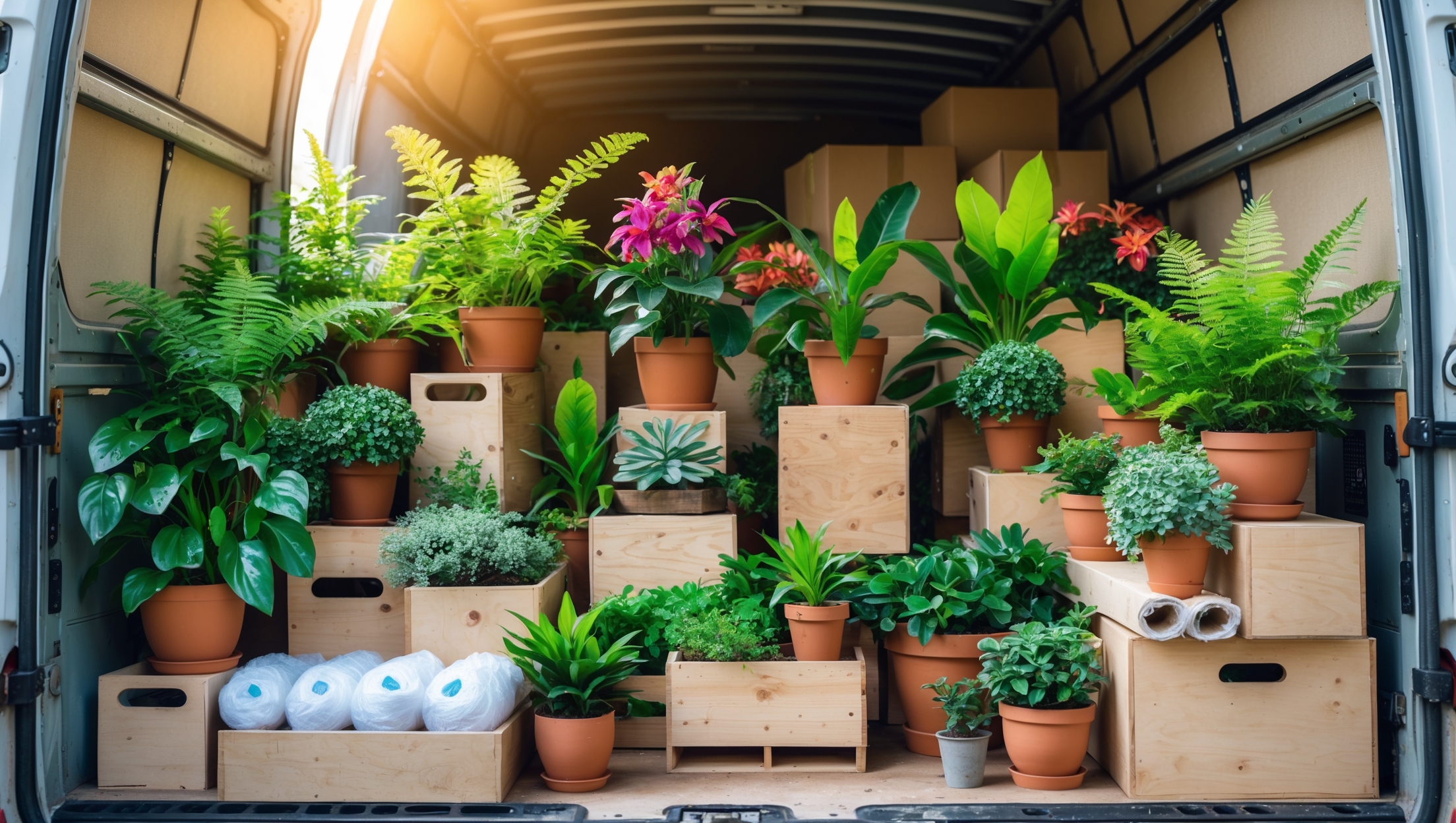
Introduction: The Green Challenge of Moving Plants
Plants are more than just décor—they are living companions that purify the air, brighten rooms, and often hold sentimental value. But when moving homes, these green friends present a unique challenge. Unlike furniture or boxes, plants are sensitive to temperature, humidity, handling, and even the duration of transit. A poorly planned move can leave your prized fiddle leaf fig wilting or your favorite rose bush in shock. That’s why understanding the specific needs of your plants—and applying expert strategies for packing, transport, and acclimation—is essential for a successful move. In this comprehensive guide, you’ll learn practical, step-by-step solutions to ensure your houseplants, patio pots, and even garden specimens make it to your new home healthy and ready to thrive. Whether you’re relocating across town or tackling a cross-country journey, these expert tips will help you minimize risk and keep your collection lush and vibrant.
Understanding Plant Sensitivity: Why Moving is Different
Plants react to changes in their environment. Temperature swings, lack of light, jostling, and even the stress of being uprooted can cause wilting, leaf drop, or worse. Each species has its quirks—succulents detest overwatering during transit, while ferns crave humidity. Recognizing the specific needs of your plants is the first step to tailoring your moving plan.
- Houseplants: Sensitive to drafts, temperature changes, and darkness.
- Outdoor potted plants: Vulnerable to wind, dehydration, and soil spillage.
- Garden plants: At risk during uprooting and prone to transplant shock.
State regulations may restrict the movement of some species, especially across state lines. Always check local guidelines before moving plants long-distance.
Pre-Move Preparation: Setting Your Plants Up for Success
Step 1: Health Check and Pruning
Inspect each plant for signs of disease or pests. Remove dead leaves, stems, and flowers. Prune leggy growth to reduce the plant’s size and stress during the move. Water plants 2-3 days before moving—not the night before—to ensure roots are hydrated but not soggy.
Step 2: Repotting into Shatterproof Containers
Clay and ceramic pots can break in transit. A week or two before your move, transfer plants into sturdy plastic pots of similar size. This minimizes weight and reduces the chance of damage. Label each plant with its name and care instructions, especially if movers will be handling them.
Step 3: Preparing Outdoor and Garden Plants
- Potted outdoor plants: Remove any decorative elements. Repot into lightweight containers if possible.
- Garden plants: Water thoroughly the day before. Dig carefully around the root ball, preserving as much soil as possible. Wrap the root ball in damp burlap or newspaper and secure with twine.
Step 4: Pest Control and Quarantine
Isolate any plants showing signs of pests or disease. Treat with appropriate organic controls or insecticidal soap. Do not pack unhealthy plants with healthy ones to avoid cross-contamination during the move.
Packing Plants Like a Pro
Materials You Will Need
- Sturdy moving boxes (various sizes)
- Plastic pots (for repotting)
- Bubble wrap or packing paper
- Plastic bags or trash liners
- Twine or plant ties
- Burlap for root balls
- Newspaper for wrapping
- Markers for labeling
Boxing Houseplants Safely
Choose boxes that fit your plants snugly but allow for some air circulation. Line the bottom with plastic to prevent leaks. Place the potted plant inside, securing the base with crumpled paper to prevent shifting. For tall or leggy plants, gently tie stems together or provide a stake for stability. Close the box flaps loosely or cut air holes for ventilation. Clearly mark boxes as “Live Plants” and indicate which side is up.
Wrapping Outdoor and Garden Plants
For bare-root plants, keep roots moist by wrapping in damp newspaper, then a plastic bag secured with twine. Place smaller garden plants in buckets or plastic tubs for easy carrying. Large shrubs or trees should have root balls tightly wrapped in burlap and, if possible, transported upright.
Preventing Soil Spillage
To avoid soil spilling out of pots, stretch a plastic bag over the top of each pot and secure it at the base of the stem. For added security, use masking tape to hold the bag in place without damaging the plant.
Transporting Your Plants: Timing and Techniques
Personal Vehicle vs. Moving Truck
Plants fare best in a climate-controlled environment. Whenever possible, transport them in your car, where you can regulate temperature and provide ventilation. Avoid placing plants in the trunk or under direct sunlight. If you must use a moving truck, load plants last and unload them first to minimize time in the dark and heat.
Temperature and Humidity Considerations
- Keep the vehicle between 60–75°F (16–24°C).
- Avoid leaving plants in a parked car, especially in extreme heat or cold.
- For humidity-loving plants, lightly mist leaves before the journey and cover with a breathable plastic dome or bag (with holes).
Securing Plants During Transit
Pack boxes tightly so they won’t tip or slide. Use seat belts or wedge boxes between other items for stability. For tall plants, lay them gently on their side, cushioning with blankets or towels, and mark them “This Side Up” for quick repositioning upon arrival.
Traveling Long-Distance or Overnight
If your move takes longer than one day, bring plants inside overnight. Avoid exposing them to cold hotel rooms or overnight freezing by keeping them in the warmest space available. For cross-country moves, check with agricultural departments about restrictions before crossing state lines.
Special Care for Delicate and Large Plants
Moving Succulents and Cacti
Succulents and cacti are prone to rot if overwatered before moving. Water lightly a week in advance so the soil is dry to the touch. Wrap pots with bubble wrap and secure spiny or fragile specimens inside ventilated boxes. Don’t cover these plants in plastic, as they need airflow.
Transporting Large Indoor Trees
Secure the trunk to a stake, cushion the pot, and tie up branches gently. If possible, disassemble large pots and re-pot into plastic. Use a dolly for moving and avoid dragging pots across floors.
Handling Hanging Baskets and Vines
Remove hanging baskets from hooks and secure trailing vines with soft ties. Place inside tall boxes or wrap loosely in a sheet to prevent tangling. Mist lightly before moving to retain humidity.
Legal and Regulatory Considerations
Many states restrict the transportation of certain plants, soil, and even firewood due to pests and diseases. The USDA and local agricultural agencies maintain updated lists of prohibited species. Always:
- Check for state-specific regulations, especially if moving to or from California, Florida, or Hawaii.
- Obtain necessary permits for restricted plants or soil.
- Leave behind or gift plants that cannot be legally transported.
Unpacking and Acclimating Plants in Your New Home
Immediate Actions Upon Arrival
- Unpack plants as soon as possible. Remove plastic bags, wrappings, and support ties.
- Inspect for damage, pests, or signs of stress. Prune broken stems and remove wilted leaves.
- Water each plant according to its needs, but don’t overcompensate—roots may be stressed and require gentle care.
Gradual Acclimation to New Conditions
Place plants in a location with similar light and temperature as their previous spot. Avoid placing them in direct sunlight immediately, especially if they traveled in the dark. Gradually introduce them to brighter conditions over a week. For humidity-sensitive plants, group them together or use a humidifier.
Re-Potting and Long-Term Adjustment
After a week or two, re-pot plants from temporary plastic pots back into decorative containers, using fresh soil if needed. For garden plants, transplant back into the ground as soon as possible, preferably on a mild, overcast day. Water deeply and mulch to retain moisture. Monitor for signs of transplant shock such as leaf drop or stunted growth, and be patient—recovery can take several weeks.
Expert Troubleshooting: Common Issues and Solutions
- Wilting or Yellowing Leaves: Often a sign of stress, not necessarily a death sentence. Avoid overwatering; give the plant time to recover.
- Soil Spillage or Mess: Clean up old soil, check roots for damage, and re-pot if necessary.
- Pest Infestation: Isolate affected plants and treat promptly with insecticidal soap or neem oil.
- Transplant Shock: Provide consistent care and avoid fertilizing until new growth appears.
Tips for Moving Specialty and Large Outdoor Plants
Digging Up Mature Shrubs or Trees
Start the process a month before moving. Prune roots by making a circular cut with a spade around the root ball. Water generously. On moving day, dig up the root ball, wrap in burlap, and keep moist. Replant quickly at the new location and stake securely until established.
Overwintering Sensitive Plants
If you’re moving in winter, some plants may not survive outdoor transport. Consider overwintering sensitive species (like citrus or tropicals) inside until spring, then move them outdoors after the last frost.
Frequently Asked Questions
- Can I ship plants by mail or courier? Yes, but only certain species and within legal guidelines. Use express shipping and ventilated boxes.
- Are moving companies liable for plant damage? Most moving companies do not insure live plants due to their fragility. Always check your contract.
- How soon can I fertilize after moving? Wait at least four weeks or until you see signs of new growth.
Conclusion: Bringing Your Green Oasis Home
Moving with plants requires more than careful packing—it’s about understanding their needs, anticipating stressors, and providing attentive care at every stage. By planning ahead, using the right materials, and following expert strategies for packing, transport, and acclimation, you can greatly reduce the risk of damage or shock. Remember to check legal regulations if crossing state lines, and don’t hesitate to leave behind plants that may not survive the journey. Once you arrive, prioritize unpacking and acclimating your green companions, offering them patience as they adjust to their new environment. In time, your plants will not only survive but flourish, bringing beauty and vitality to your new home just as they did before. With each leaf that unfurls and every root that anchors into fresh soil, you’ll be reminded that change—though stressful—can be the start of new growth for both you and your plants. Happy moving, and may your home always be filled with thriving greenery!
You mention that some states have restrictions on moving certain plant species. How can I find out which plants are regulated if I’m moving from California to Texas?
To find out which plants are regulated when moving from California to Texas, you can contact the Texas Department of Agriculture or the USDA. They can provide up-to-date lists of restricted or prohibited plants, as well as any permit requirements. It’s a good idea to check both states’ guidelines before your move.
If I have to move my plants during the winter when there’s a chance of freezing temperatures, are there extra steps I should take beyond what’s mentioned for drafts and temperature changes?
Yes, in freezing conditions, you should give plants extra protection. Wrap pots and foliage with layers of newspaper, bubble wrap, or towels to insulate them. Keep plants in your heated vehicle rather than a cold moving truck, and minimize their time outdoors by loading them last and unloading them first at your new place.
If I’m moving cross-country in the summer, how can I keep my houseplants safe from temperature spikes during a long car trip?
To protect your houseplants from summer heat during a long car trip, transport them in the coolest part of your vehicle, ideally with air conditioning. Avoid leaving plants in a parked car, and cover them lightly with a sheet to shield from direct sun. Bring water for misting and hydration during stops, and check the soil regularly to prevent drying out.
For a cross-country move during winter, how do you recommend keeping houseplants safe from cold drafts and temperature swings in the moving truck? Are there specific packing materials or methods you’ve found most effective?
To protect your houseplants from winter cold, first wrap pots and foliage with newspaper or bubble wrap for insulation. Place plants in sturdy boxes with extra packing paper around them to prevent shifting. Try grouping plants together for shared warmth, and avoid placing them near truck doors where drafts are strongest. If possible, transport especially delicate plants in your heated vehicle.
You mentioned checking local guidelines for moving certain plant species across state lines. How can I quickly find out if any of my houseplants are restricted for interstate transport within the US?
To check if your houseplants are restricted for interstate transport, visit the official website of the USDA (United States Department of Agriculture) and your destination state’s agriculture department. Search for their plant quarantine or invasive species lists. You can also contact your local extension office for quick guidance on specific plant species you’re planning to move.
How far in advance should I do the health check and pruning step before my move, and is it better to prune more or less to reduce transplant shock?
You should do the health check and pruning about one to two weeks before your move. This timing gives your plants a chance to recover from any cuts. Prune only lightly—remove dead or damaged leaves and branches, but avoid heavy pruning, as too much can stress the plant further and increase the risk of transplant shock during the move.
How do you recommend handling large outdoor potted plants during a move, especially to prevent soil from spilling and roots from drying out?
For large outdoor potted plants, wrap the pot in plastic wrap or a sturdy trash bag to keep soil contained. Water the plants just before moving, but avoid overwatering to prevent leaks. Cushion the pots in your vehicle to minimize shifting. If roots are exposed or the pot is cracked, cover the root ball in moist burlap to keep moisture in during transport.
What’s the best way to help a plant recover from transplant shock after it’s been uprooted and moved to a new place?
To help a plant recover from transplant shock, keep it in a stable, shaded spot at first and avoid direct sunlight until it acclimates. Water it consistently but don’t overwater, and avoid fertilizing for a few weeks. Trim any damaged leaves and give the plant time to adjust to its new environment.
Do you have any suggestions for budget-friendly materials to secure outdoor potted plants and prevent soil spillage during transport without buying specialized plant boxes?
You can use items like old towels, newspapers, plastic grocery bags, or reusable shopping bags to wrap around the top of the pots and hold the soil in. Stretching plastic wrap or cling film tightly over the soil also works well. Cardboard pieces can be placed on top, secured with tape, to keep everything contained during transport.
Can you explain more about how to check and comply with state regulations when moving plants across different states? I’m planning a cross-country move and don’t want to accidentally bring something restricted.
To comply with state regulations, start by looking up the Department of Agriculture websites for both your current and destination states. Each state often lists prohibited or restricted plants, and some require inspections or certificates. Contact their agricultural offices directly if you have questions. This helps prevent moving plants that could carry pests or diseases and avoids fines or plant confiscation during your move.
When moving garden plants that need to be uprooted, how far in advance should I start preparing them before the actual move to reduce transplant shock?
Begin preparing your garden plants about two to three weeks before your move. Start by gently pruning, watering well, and digging around the roots to encourage new feeder roots. This preparation time helps minimize transplant shock and gives your plants a better chance to thrive after relocation.
If my plant ends up getting shocked or wilted despite careful packing, what are the best steps to help it recover once I arrive at the new place?
If your plant appears shocked or wilted after the move, give it some time to adjust. Place it in indirect light, avoid fertilizing right away, and water only when the soil feels dry. Make sure it’s not exposed to drafts or extreme temperatures. Most plants recover with a little patience and gentle care.
If I’m moving cross-country and my new state has regulations about certain plants, what’s the best way to check which species are allowed before starting the moving process?
To ensure you comply with regulations, start by checking the official website of your new state’s Department of Agriculture or plant regulatory agency. They usually provide updated lists of prohibited or restricted plants. You can also call their office directly for guidance and clarification before planning your move.
You mentioned checking state regulations before moving plants across state lines. Where can I easily find out which plants are restricted for a cross-country move?
You can find information on restricted plants by visiting your destination state’s Department of Agriculture website. They usually list prohibited or regulated plants and provide guidance for bringing plants in. If you prefer, you can also call their office directly for the most current details.