

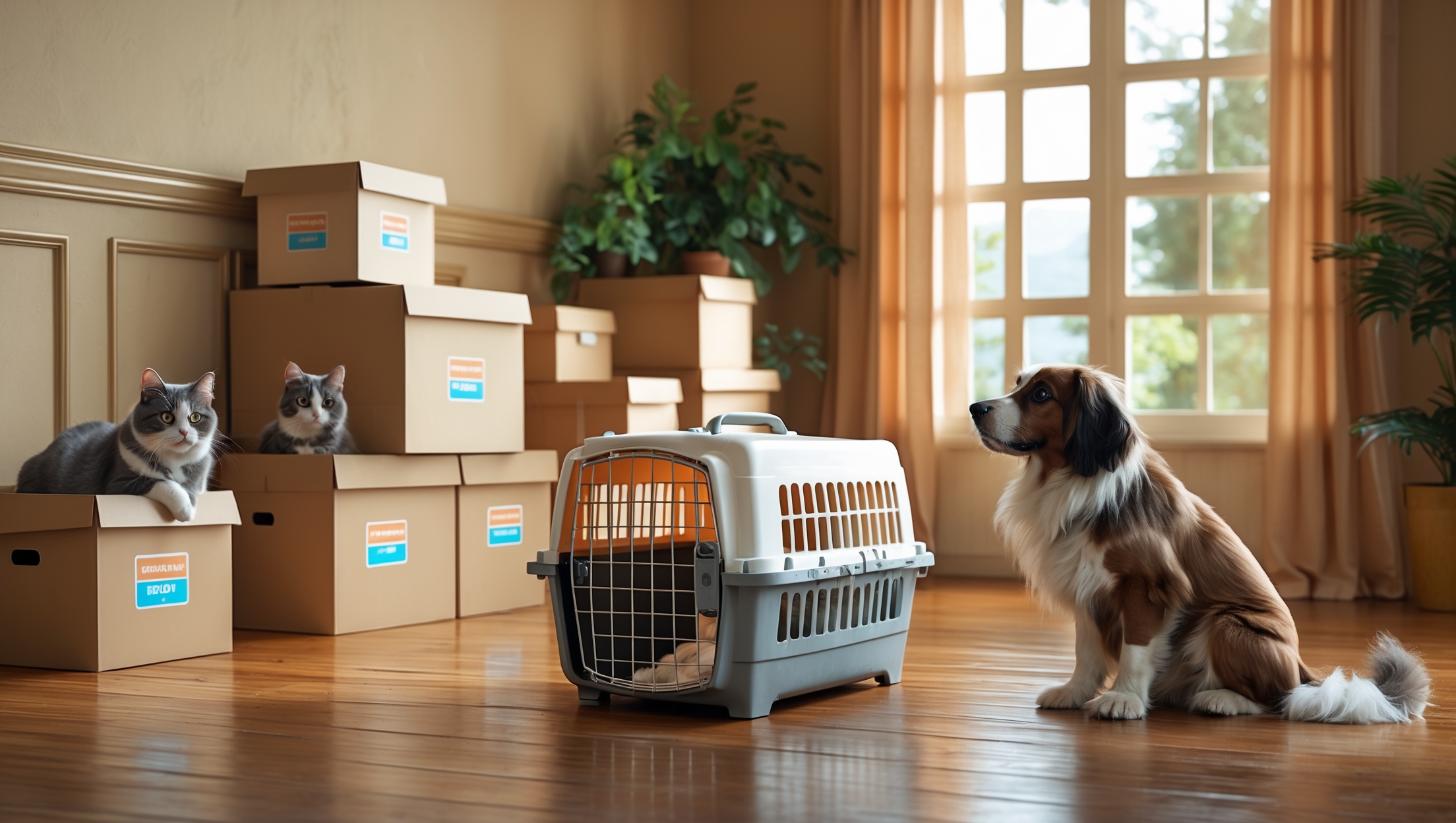
Introduction: The Unique Challenge of Moving With Pets
Relocating to a new home is a major undertaking for any household, but when pets are involved, the complexity and emotional stakes multiply. Pets—whether dogs, cats, birds, or small mammals—are sensitive to changes in their environment and can experience significant stress during a move. From disrupted routines to unfamiliar spaces, the process can be overwhelming for both you and your animal companions. As a moving expert, I’ve seen firsthand how thoughtful planning and strategic preparation make the difference between a chaotic, anxiety-ridden experience and one that’s smooth and safe for every family member—furry or otherwise. In this comprehensive guide, you’ll find actionable, research-backed strategies for every stage of the journey: preparing your pets in advance, ensuring safe transport, and helping them acclimate to their new environment. Whether you’re moving across town or across the country, these tips will help you sidestep common pitfalls and make your pets’ transition as comfortable as possible. Let’s dive into the expert approach to moving with pets, so everyone arrives happy, healthy, and ready to settle in.
Understanding Your Pet’s Moving Needs
Why Pets Struggle With Relocation
Pets rely on routines and familiar surroundings for comfort and security. Major changes—like a move—can trigger anxiety, behavioral issues, or even health problems. Dogs and cats, in particular, may exhibit signs of stress such as hiding, excessive vocalization, loss of appetite, or destructive behavior. Birds and small mammals are equally susceptible to environmental changes and can become withdrawn or ill if not properly managed during a move.
- Dogs: Bonds to people and territory; disruption can cause separation anxiety or confusion.
- Cats: Highly territorial; sensitive to new scents and spaces.
- Birds/small mammals: Prone to stress from noise, temperature changes, and unfamiliar handling.
Assessing Special Requirements
Before you begin the moving process, take stock of your pets’ specific needs. Consider age, health conditions, breed characteristics, and temperament. Some pets may require medication or special accommodations during transit. If you have exotic pets, research legal requirements for transportation and local pet ownership laws in your new area.
Pre-Move Preparation: Setting the Stage for Success
Veterinary Visits and Health Records
Schedule a check-up with your veterinarian at least a month before your move. Discuss your relocation plans, update vaccinations, and obtain copies of health records and prescriptions. If you’re traveling interstate or internationally, ask about required health certificates and quarantine regulations. Microchip information should be checked and updated with your new address and contact details.
- Request a list of recommended vets in your new area.
- Ask for a supply of any ongoing medications.
- Ensure all pets are current on parasite prevention.
Updating Identification and Registration
All pets should wear a collar with an ID tag that includes your current phone number during the move. Update microchip details and register pets with your new municipality if required.
Familiarizing Pets With Carriers and Travel
For pets that aren’t used to carriers or car rides, start desensitization well ahead of moving day. Place the carrier in a favorite room, add bedding and treats, and reward your pet for entering voluntarily. Practice short car trips, gradually increasing duration to build comfort.
Packing With Pets in Mind
Designate a quiet room as a “safe zone” for pets while you pack and move boxes. Keep familiar bedding, toys, and water in this area. Avoid washing blankets or toys before the move to retain comforting scents. Create a packing list for essential pet items, including:
- Food and water (at least a week’s supply)
- Dishes and travel water bottles
- Litter and scoop or waste bags
- Medication and first-aid kit
- Leashes, harnesses, carriers, and crates
- Favorite toys and comfort objects
- Grooming supplies
Preparing for Moving Day Logistics
If possible, arrange for a trusted friend or pet sitter to watch your pets on moving day. This minimizes stress, reduces the risk of escape, and allows you to focus on logistics. If this isn’t possible, keep pets confined to their safe zone until it’s time to leave.
Transporting Your Pets Safely
Car Travel: Best Practices
Most pets travel best by car, but safety and comfort are paramount. Secure carriers or crates with seat belts to prevent sliding. Never let pets roam freely in the vehicle—they can be injured or distract the driver. For dogs, use a crash-tested harness or crate. For cats and small animals, always use a well-ventilated carrier.
- Take frequent breaks (every 2–3 hours) for bathroom and water.
- Never leave pets unattended in a parked car, especially in extreme temperatures.
- Cover carriers with a light sheet to reduce visual stress if needed.
- Maintain a comfortable temperature and minimize loud music or sudden noises.
Air Travel: When and How to Fly With Pets
Air travel requires careful planning. Consult airlines for pet policies, carrier specifications, and health certificate requirements. Book direct flights when possible. Small pets may travel in-cabin; larger pets often fly in the cargo hold, which carries additional risks.
- Acclimate pets to their airline-approved carrier well before travel.
- Feed pets a light meal 4–6 hours before the flight.
- Label carriers with your name, contact info, and destination address.
- Attach a current photo of your pet to the carrier in case of separation.
- Confirm seasonal and temperature embargoes for pet travel.
Special Considerations for Exotic Pets
Reptiles, birds, and small mammals may have unique needs for temperature, humidity, and transport containers. Research specific guidelines and consult with an exotics-savvy veterinarian. Double-check state and local regulations, as some species are restricted in certain areas.
Arriving at Your New Home: Easing the Transition
Creating a Comfort Zone
Set up a quiet, secure room in your new home as your pet’s transition space. Populate it with familiar bedding, toys, and unwashed items carrying the scent of your previous home. Provide food, water, and a litter box or designated potty area. Allow your pet to explore gradually, starting with one room and expanding access as they gain confidence.
Reestablishing Routines
Resume feeding, walking, playtime, and bedtime routines as soon as possible. Predictable schedules help pets feel secure and adjust more quickly. Reward calm behavior and offer extra affection during the first days, but avoid overwhelming your pet with new stimuli or visitors.
Addressing Behavioral Challenges
Some pets may display signs of anxiety, such as hiding, vocalizing, or accidents. Be patient—these behaviors are usually temporary. Avoid punishment, and instead provide safe spaces and positive reinforcement. For persistent issues, consult with your veterinarian or a certified animal behaviorist.
Outdoor Safety and Supervision
Before allowing pets outdoors, inspect fences and gates for security and gaps. Walk dogs on a leash until you’re confident they won’t try to escape. Keep cats indoors for at least two weeks to prevent them from attempting to return to your old address. Update your new address with local animal control, and check for local leash laws or pet licensing requirements.
Introducing Pets to New Environments and Neighbors
Gradually introduce your pet to different rooms, sounds, and neighbors. For multi-pet households, allow supervised interactions in neutral territory. Monitor for signs of stress or aggression, and separate pets if necessary. Reward calm, friendly behavior.
Expert Tips for Specific Pet Types
Moving With Dogs
- Bring familiar scents (blankets, toys) to reduce anxiety.
- Plan frequent walks in your new neighborhood to help your dog acclimate.
- Maintain training routines and reinforce basic commands.
Moving With Cats
- Use Feliway or other calming pheromone diffusers in the new home.
- Keep cats confined to a single room initially; expand access gradually.
- Monitor for signs of stress (hiding, vocalizing, not eating) and consult a vet if they persist.
Moving With Birds and Small Mammals
- Maintain consistent cage setup and avoid unnecessary changes.
- Protect cages from drafts and direct sunlight during transport.
- Offer treats and familiar items to encourage exploration in the new space.
Moving With Fish
- Transport fish in sealed, oxygenated bags for short moves.
- For longer moves, consult an aquarium specialist or local fish store for best practices.
- Set up the aquarium in your new home before transferring fish, allowing the water to reach the right temperature and chemistry.
Emergency Preparedness and Contingency Planning
Creating a Pet Emergency Kit
In addition to your pet’s travel bag, prepare an emergency kit with:
- Copies of medical records and microchip information
- Recent photos of your pet
- Extra food, water, and medications
- First-aid supplies and a list of local emergency vets
Contingency Plans for Delays
Build flexibility into your moving schedule for unexpected delays. Have backup accommodations (pet-friendly hotels or boarding facilities) identified along your route. Bring cleaning supplies for accidents, and keep a list of 24-hour veterinary clinics at both your old and new locations.
Legal and Regulatory Considerations
Local Pet Laws and Breed Restrictions
Research pet licensing requirements, leash laws, and breed-specific legislation in your new community. Some municipalities restrict certain breeds or exotic species. HOA or apartment rules may limit the number or type of pets allowed.
Interstate and International Moves
If you’re crossing state or national borders, check for required health certificates, import permits, and quarantine rules. Some regions mandate rabies vaccinations, microchipping, or documentation for exotic pets. Start paperwork early to avoid delays or denied entry.
Settling In: Long-Term Wellbeing After the Move
Monitoring Health and Behavior
Watch for changes in appetite, energy level, or behavior over the first few weeks. Schedule a wellness visit with your new veterinarian within a month of arrival. Keep up with flea, tick, and heartworm prevention, especially if you’ve moved to a region with different pests or climate.
Building Positive Associations
Use treats, play, and praise to create positive associations with your new home. Encourage exploration at your pet’s pace. For cats, vertical spaces like cat trees can help them feel secure. For dogs, regular walks and socialization with new neighbors can ease the adjustment.
Integrating Into the Community
Connect with local pet groups, dog parks, or training classes to help your pet socialize and for you to meet fellow pet owners. This not only supports your pet’s emotional health but can offer you valuable resources and recommendations.
Conclusion: Making the Move a Positive Experience for Your Pets
Moving with pets isn’t just about logistics—it’s about safeguarding the emotional and physical wellbeing of your animal companions at every stage of the journey. By planning ahead, consulting your veterinarian, and tailoring your approach to each pet’s needs, you can dramatically reduce stress and risk. Remember, your calm presence and consistent routines are your pets’ greatest sources of comfort. From preparing carriers and packing familiar belongings to establishing a safe haven in your new home, every detail counts. Navigating legal requirements, securing proper identification, and having contingency plans in place ensure you’re ready for the unexpected. As your pets adapt to their new environment, patience is key—reward progress, monitor their health, and don’t hesitate to seek professional help if issues arise. Ultimately, a thoughtful, proactive approach transforms moving from a daunting challenge into an opportunity for you and your pets to start a new chapter together on the right paw. With these expert strategies, you’re equipped to make the transition smooth, safe, and even enjoyable for every member of your household. Welcome home!
Do you have any suggestions for helping cats acclimate faster to new scents and spaces, especially if we have to move in multiple stages rather than all at once?
To help cats adjust when moving in stages, set up a quiet room in each new space with familiar items like bedding, toys, and their usual litter box. Gradually let them explore new areas, one at a time, after they’ve had time to settle. Using pheromone diffusers or sprays can also help ease stress during these transitions.
If my cat tends to hide for days when we move to a new place, what are some practical steps I can take to help them feel safer and adjust faster to the unfamiliar environment?
To help your cat adjust, set up a quiet room with their favorite belongings like toys, bed, and litter box, so they have a safe space to retreat to. Spend time with them in this room, offer treats, and keep routines consistent. Gradually let them explore the rest of your new home once they seem more comfortable.
When you mention that cats are highly territorial and sensitive to new scents, do you recommend any specific steps for introducing them to a new home to minimize territorial stress?
To help your cat adjust, set up a quiet room in your new home with familiar items like their bed, toys, and litter box. Let them explore this space first before gradually introducing them to the rest of the house. Keeping routines consistent and offering extra attention can also make the transition smoother.
I noticed you discussed different stress triggers for dogs, cats, and smaller pets. Are there budget-friendly ways to keep pets comfortable during a move, especially if hiring a professional pet mover isn’t an option for small businesses?
Absolutely! Using familiar items like your pet’s favorite bedding, toys, or treats can provide comfort without extra cost. Maintain a consistent routine as much as possible before and after the move. For smaller pets, transport them in their usual cages and cover them with a light cloth to reduce stress. These strategies help pets feel secure without needing to hire professionals.
You mention that cats are especially sensitive to new scents and spaces during a move. Do you have any tricks for helping a cat adjust faster to a completely new apartment, especially when you can’t bring much from the old place?
Since you can’t bring much from the old place, focus on creating a safe, quiet room for your cat at first, with a hiding spot like a cardboard box or blanket. Use familiar-smelling items, even if it’s just a worn t-shirt or small blanket. Gradually let your cat explore new rooms as they show curiosity, and keep routines like feeding times consistent to provide comfort.
You mentioned that birds and small mammals can be especially sensitive to noise and temperature changes during a move. What are some ways to keep them calm and safe in the car, especially if the drive is several hours long?
To keep birds and small mammals calm in the car, cover their cages with a breathable cloth to reduce visual stress and block drafts. Keep the car temperature consistent and avoid direct sunlight. Minimize loud music and sudden noises. Secure their carriers so they don’t slide around, and take breaks to check on them and offer water if needed.
If my dog starts showing signs of separation anxiety, like excessive barking or loss of appetite during the move, what immediate steps can I take to help calm them?
If your dog shows separation anxiety during the move, try to maintain their usual routines as much as possible. Offer comfort with their favorite toys and bedding, and spend extra time with them if you can. Short walks or play sessions can help relieve stress. If symptoms persist or worsen, consider consulting your vet for additional support.
What are some ways to help a cat get comfortable in a new home, especially if they’re really territorial and tend to hide after changes like moving?
To help a territorial cat settle in, start by confining them to one quiet room with their familiar bedding, litter box, food, and toys. Spend time with them in that space, letting them approach you when ready. Gradually open up more of the home as they become comfortable. Using items with their scent and maintaining their usual routines can also encourage a smoother adjustment.
You mentioned that birds and small mammals can get sick from stress during moves. Are there signs I should watch for right away after the move that might mean my pet needs a vet check?
Yes, after a move, watch for changes like loss of appetite, lethargy, unusual hiding, excessive vocalizing, rapid breathing, or diarrhea in birds and small mammals. If you notice any of these signs, or if your pet just seems off, it’s a good idea to consult a veterinarian promptly.
How far in advance should I start preparing my dog’s routine for a move to help prevent separation anxiety? Is there a recommended timeframe before moving day?
To help prevent separation anxiety, it’s best to start adjusting your dog’s routine about 3 to 4 weeks before your move. Gradually introduce any changes, like new meal times or crate training, so your dog has time to adapt and feel secure as the moving day approaches.
For someone moving with both a dog and a cat, do you recommend transporting them together or separately to minimize stress, given their different sensitivities to change?
It’s usually best to transport your dog and cat separately, especially if they have different stress triggers. Cats often feel safer in their own carrier, away from dogs. Keeping them apart during travel helps avoid added anxiety and lets you focus on each pet’s needs. Once settled in your new home, reintroduce them gradually.
You mention that birds and small mammals are particularly sensitive to temperature changes during a move. What’s the best way to keep their environment stable if I’m traveling long-distance by car?
To keep birds and small mammals comfortable during a long car trip, use a well-ventilated carrier and avoid placing it in direct sunlight. Maintain a consistent temperature by running the car’s climate control. Cover the carrier with a light cloth to reduce stress, but make sure there’s still airflow. Check on them regularly and make short stops to ensure they’re doing well.
In the section on dogs and cats showing stress behaviors, what signs should pet owners watch for to know when the anxiety is severe enough to seek advice from a vet or behaviorist?
Pet owners should watch for signs like persistent hiding, loss of appetite, excessive vocalization, aggressive behavior, frequent accidents, or self-injury such as over-grooming or chewing. If these behaviors last more than a few days or interfere with your pet’s daily life, it’s a good idea to consult a vet or behaviorist.
As someone with both a dog and a cat, how can I manage their different stress triggers while packing and preparing for the move? Are there ways to keep them both comfortable even though their needs seem opposite?
Dogs and cats do often react differently to moving. For your dog, try to keep routines like walks and feeding times consistent, and involve them in packing so they feel included. For your cat, create a safe, quiet room with familiar items and keep them away from the chaos. Using calming products or pheromone diffusers for both pets can also help reduce stress.
You mention that birds and small mammals are sensitive to temperature changes and noise during a move. Can you recommend any specific strategies or products that help minimize these stressors during transport?
To help birds and small mammals during a move, use well-ventilated travel carriers lined with familiar bedding. Covering the carrier with a light cloth can reduce exposure to noise and unfamiliar sights. Transport them in a temperature-controlled vehicle and avoid placing carriers in direct sunlight or near vents. There are also calming sprays and pheromone products for some pets, but always check with your vet before using them.