

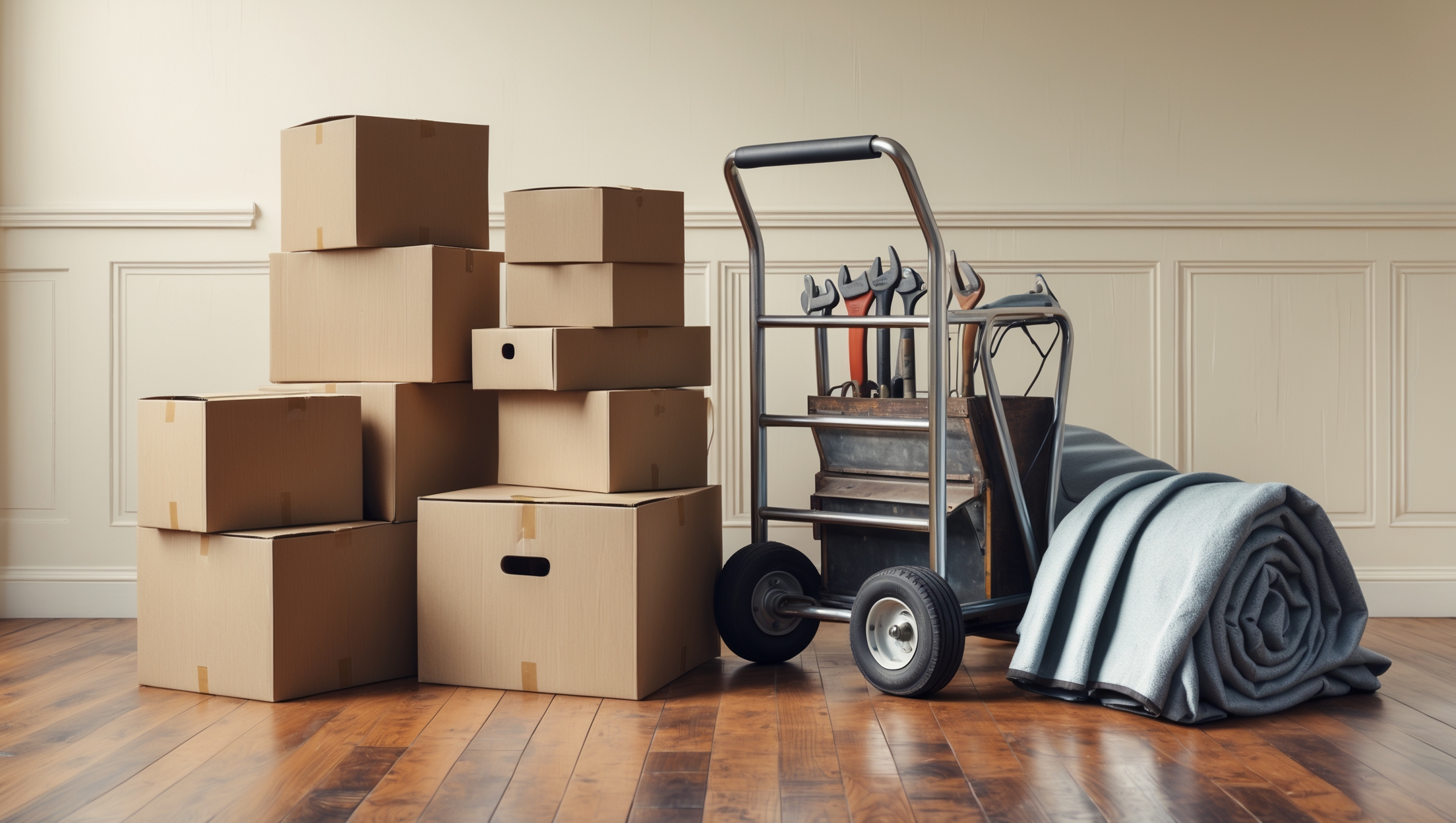
Introduction: Why the Right Tools Make All the Difference
Moving is often cited as one of life’s most stressful events, but much of that stress can be alleviated with the right preparation—starting with having the right tools and equipment on hand. Whether you’re moving across town or to another state, the challenges are surprisingly similar: protecting your belongings, preventing injury, and ensuring nothing is lost or damaged in transit. Professional movers rely on specialized gear to streamline the process, reduce physical strain, and safeguard property. For DIY movers, knowing which tools are essential—and how to use them safely—can mean the difference between a smooth relocation and a day filled with frustration, broken items, or even injury.
This comprehensive guide covers the must-have moving tools and equipment recommended by moving industry experts. We’ll break down each item’s purpose, offer buying or rental advice, and provide practical tips for their use. From dollies to door stoppers and from moving blankets to toolkits, you’ll learn what’s truly essential, what’s optional, and how to make the most of each. Whether you’re a first-time mover or a seasoned pro, these insights will help ensure your move is efficient, safe, and as stress-free as possible.
1. The Foundation: Boxes and Packing Supplies
1.1. Sturdy Moving Boxes: Sizes and Types
Not all boxes are created equal. Investing in high-quality, purpose-built moving boxes is crucial. Standard sizes include small (books, tools), medium (kitchenware, electronics), and large (linens, clothing). Specialty boxes—like wardrobe boxes (with hanging rods), dish packs (reinforced for fragile items), and picture/mirror boxes—offer extra protection for specific items.
- Tip: Avoid supermarket boxes; they may be weakened by moisture or pests.
- Pro move: Label boxes on multiple sides for easy identification and use color-coded tape for rooms.
1.2. Packing Materials for Protection
Protecting your belongings is non-negotiable. Here are the essentials:
- Bubble wrap: For glassware, electronics, and delicate decor.
- Packing paper: Wrap dishes, mugs, and fill empty spaces in boxes.
- Stretch wrap: Secures drawers and doors on furniture; keeps items together.
- Foam sheets: Layer between plates, picture frames, and mirrors.
1.3. Tape and Dispensers
Invest in high-quality packing tape and a tape gun dispenser. Cheap tape tears easily and can cost you time and frustration. Consider reinforced strapping tape for heavy boxes and painter’s tape for temporary labeling on furniture or walls.
2. Moving Day Powerhouses: Lifting and Transport Equipment
2.1. Hand Trucks (Dollies)
A two-wheeled hand truck is indispensable for moving stacked boxes, appliances, and heavy furniture. Look for models with stair-climber wheels if you have steps or curbs to navigate. For heavier loads, an appliance dolly with straps provides stability and reduces physical strain.
- Pro tip: Always tilt the hand truck toward you, keeping the load balanced against the frame.
2.2. Furniture Dollies (Flat Platforms)
Four-wheeled furniture dollies are perfect for moving large, bulky items like dressers, couches, and washing machines. Padded surfaces prevent scratches, and the wide base keeps items stable during movement.
2.3. Lifting Straps and Forearm Forklifts
Lifting straps (aka “forearm forklifts”) distribute weight more evenly and allow two people to maneuver heavy or awkward items without putting strain on their backs. Adjustable lengths accommodate furniture of various sizes.
- Safety note: Always lift with your legs, not your back, and communicate clearly with your moving partner.
3. Protecting Your Home and Belongings
3.1. Moving Blankets and Pads
Thick, padded moving blankets are essential for wrapping and protecting furniture, appliances, and even banisters or doors from accidental dings and scratches. Use packing tape or rubber bands to secure them in place.
3.2. Corner Protectors
Plastic or foam corner protectors shield furniture and walls from sharp edges or accidental bumps during the move. These are invaluable when navigating tight hallways or doorframes.
3.3. Door Stoppers and Floor Runners
Prop doors open with heavy-duty door stoppers to allow for easy passage. Floor runners or carpet protectors prevent dirt and scuff marks, especially on rainy days or in high-traffic areas.
4. Essential Tools for Disassembly and Reassembly
4.1. Basic Tool Kit
A well-stocked toolkit is a mover’s best friend. At minimum, include:
- Phillips and flathead screwdrivers
- Adjustable wrench
- Pliers
- Allen wrenches (often needed for furniture)
- Measuring tape
Having the right tools on hand makes quick work of taking apart bed frames, bookshelves, and dining tables—then putting them back together at your new home.
4.2. Power Drill and Bits
A cordless power drill speeds up disassembly and reassembly, particularly for furniture held together with screws or bolts. Be sure to have an assortment of bits and a fully charged battery.
4.3. Zip Bags and Labels for Hardware
Keep screws, bolts, and small hardware organized by placing them in labeled zip bags. Tape the bags directly to the corresponding piece of furniture or store all bags in a clearly marked box for easy access later.
5. Safety First: Personal Protective Equipment (PPE)
5.1. Work Gloves
Durable, well-fitted work gloves protect your hands from cuts, blisters, and splinters while providing a better grip on slippery or heavy items.
5.2. Back Support Belts
If you anticipate lifting many heavy items, consider wearing a back support belt. While not a substitute for proper lifting technique, these belts offer added support and remind you to maintain good posture.
5.3. Closed-Toe, Non-Slip Shoes
Wear sturdy footwear with non-slip soles to protect your feet from dropped items and provide traction on slick floors and stairs.
6. Specialty Equipment for Unique Challenges
6.1. Appliance Sliders
Moving heavy appliances like refrigerators or washers? Appliance sliders (plastic or felt pads) make it possible to glide large items across floors without scratching surfaces or straining muscles.
6.2. Rope and Ratchet Straps
Use rope or ratchet straps to secure items in your moving truck, preventing shifting during transit. Ratchet straps are especially effective for anchoring tall or heavy furniture to the truck walls.
6.3. Moving Crates and Bins
Reusable plastic moving crates offer added durability and are ideal for protecting electronics, files, or items that need extra security. Many moving supply companies offer them for rent, reducing waste and hassle.
7. Organizing and Planning Tools
7.1. Inventory Sheets and Moving Apps
Keep track of what you pack and where. Use printed inventory sheets or moving apps to log each box’s contents and its intended room. This organization pays off during the chaotic unpacking stage.
7.2. Markers, Stickers, and Color Coding
Permanent markers and color-coded sticker systems make labeling quick and clear. Assign a color for each room—kitchen, bedroom, bath—and apply the corresponding sticker to each box. This system helps both you and your helpers know exactly where each box belongs.
8. Renting vs. Buying: What’s the Best Approach?
8.1. When to Rent
For most people, renting large items like hand trucks, appliance dollies, and moving blankets is cost-effective, especially for one-time moves. Rental centers, truck rental companies, and even some hardware stores offer daily or weekly rates. Always check the condition before you leave the store.
8.2. When to Buy
Buy items you’ll use repeatedly or that are inexpensive and easy to store. Boxes, tape, basic tool kits, and gloves are worth having on hand. If you anticipate more moves in the future or like to help friends and family, consider investing in a quality hand truck or furniture dolly.
9. Setting Up Your Moving Day Staging Area
Create a dedicated area—ideally near your home’s entrance—to stage packed boxes and moving equipment. Lay down a tarp or floor runner to protect flooring, and keep your toolkit and personal protective gear nearby. This staging area keeps your move organized and minimizes foot traffic throughout the home.
10. Packing and Loading: Pro-Level Tips
- Load heavy items first, distributing weight evenly in the truck.
- Use moving blankets and straps to keep furniture in place.
- Fill gaps with soft items (pillows, linens) to prevent shifting.
- Never overload boxes; keep them under 50 lbs for easy lifting.
- Keep an “essentials box” (tools, snacks, first aid, documents) accessible for moving day.
Conclusion: Equip Yourself for a Smoother Move
Moving doesn’t have to be overwhelming or exhausting. With the right tools and equipment, you can protect your belongings, minimize physical strain, and keep the process running smoothly from start to finish. Industry experts agree: preparation is key, and investing a little time and money upfront saves hours of frustration—and potential repair costs—later.
From sturdy boxes and reliable tape to heavy-duty hand trucks, moving blankets, and an organized toolkit, each item on this list serves a specific purpose. Prioritize safety with gloves and proper footwear, and don’t overlook the value of planning tools like inventory sheets and color-coded labels. For unique challenges, such as moving appliances or navigating tight spaces, specialty equipment like sliders and corner protectors make a world of difference.
Remember that not every tool needs to be purchased; renting is a savvy option for large or infrequently used items. Whichever approach you choose, using professional-grade equipment puts you in control of your move—and goes a long way toward ensuring your treasured possessions arrive safely at your new home. With these expert recommendations, you’re well-equipped to tackle moving day with confidence, efficiency, and peace of mind. Happy moving!
You mention the importance of buying or renting the right equipment for a move. For someone on a tight budget, are there certain tools that are more worth purchasing versus renting, especially things like dollies or moving blankets?
For a tight budget, consider buying reusable essentials like moving blankets since they’re often cheaper to own and can be used for storage or future moves. Dollies, however, are usually best rented unless you anticipate moving heavy items regularly. Prioritize purchasing items you’ll use again and rent specialty gear when needed.
I noticed you recommend labeling boxes on multiple sides and using color-coded tape for rooms. Do you have suggestions for the most efficient way to organize and keep track of everything during the packing process?
To keep everything organized, create a master inventory list as you pack. Assign each box a unique number and record its contents and destination room. Use the color-coded tape to match the list. This way, you know exactly where everything is, making unpacking much simpler.
You mention that professional movers use specialized gear. For a small business owner doing a move without hiring pros, which tools really make the biggest impact on reducing physical strain for my team?
For a small business move, key tools that really reduce physical strain are furniture dollies, moving straps (like forearm or shoulder harnesses), and sturdy hand trucks. Furniture sliders can also help with heavier items. These tools let your team handle bulky or heavy items with much less lifting and lower risk of injury.
Is there a big difference between renting and buying specialty boxes like wardrobe or dish packs for a one-time move? I’m not sure what makes them worth the extra cost compared to regular boxes.
For a one-time move, renting specialty boxes like wardrobe or dish packs can save money and reduce waste, since you return them after use. These boxes are sturdier and designed to protect specific items—wardrobe boxes keep clothes on hangers and dish packs have extra padding. Regular boxes work for many things, but specialty boxes can prevent breakage and make packing easier for fragile or bulky items.
The article mentions professional movers using specialized gear to reduce physical strain. If I’m moving mostly heavy furniture myself, is a standard dolly enough, or should I look for a more advanced model?
A standard dolly works for many items, but for heavy or bulky furniture, an appliance dolly with straps and stair-climbing capabilities offers better support and safety. If you’re handling lots of heavy pieces or navigating stairs, investing in a more advanced model can help reduce strain and make the move smoother.
When labeling boxes with color-coded tape as suggested, is there a specific system that works best to avoid confusion during unpacking?
A simple and effective system is to assign a different tape color to each room in your new home, then label each box with its contents and destination room. Create a reference chart for movers and yourself, so everyone knows which color matches which room. This way, boxes get placed right where they belong, making unpacking much easier.
If I’m on a tight budget, which tools or supplies from your list could I skip or find cheaper alternatives for, without risking damage to my stuff?
If you’re looking to save money, you can skip specialty items like furniture sliders and moving straps by using thick blankets and towels to protect furniture and floors. Instead of buying wardrobe boxes, use regular boxes for clothes. For packing materials, old newspapers and clothing work well as cushioning for fragile items, just be careful with ink transfer on delicate surfaces.
You mention using color-coded tape for rooms when labeling boxes. Do you have any tips on the best way to set up this color system or what types of tape work best so it actually helps on moving day?
Choose a different bright color of tape for each room—like blue for the kitchen, red for the bedroom, green for the living room, and so on. Label each box with the correct tape and write the room name on it as well. Painter’s tape or colored packing tape works well because it sticks securely but is easy to remove later. Keep a key or chart by the entryway on moving day so everyone knows which color goes where.
You mentioned color-coded tape for labeling boxes by room—do you have any tips for keeping the labels visible during the moving process, especially when boxes are stacked tightly in a truck?
To keep your color-coded labels visible, place tape on at least two adjacent sides of each box, such as the top and one long side. This way, even if boxes are stacked, the label should still be visible from the front or side. You can also use large, bold writing on the tape to make each room’s designation easy to spot.
You mention professional movers use specialized gear to reduce strain and prevent injuries. For a small DIY move, which tools are truly essential for safety, and which ones could I skip if I’m just moving a few blocks?
For a small DIY move just a few blocks away, focus on essentials like a sturdy dolly or hand truck, work gloves, and moving straps to protect your back and hands. You can skip more specialized gear like furniture sliders or appliance dollies unless you have very heavy items. Prioritizing these basics helps keep your move safe and efficient.
Are there certain packing supplies or box types you recommend renting instead of buying, particularly if we’re only moving a short distance within the same city?
If you’re moving a short distance, renting sturdy plastic moving bins can be a great alternative to buying cardboard boxes. They’re durable, stack well, and you won’t have to deal with disposal afterward. Some companies also rent wardrobe boxes and dollies, which are especially useful for local moves.
Are there any essential moving tools or packing materials you would recommend skipping or swapping out if you’re trying to downsize and keep the move as minimal as possible?
If you’re aiming for a minimal move, you can skip bulky wardrobe boxes and instead fold clothes in regular boxes or bags. Specialty packing materials like dish pack inserts or mattress bags can be swapped for towels, blankets, or sheets to cushion fragile items and protect furniture. Focus on basic tools like a box cutter, tape, and a marker, and minimize extras to save space and effort.
You mentioned color-coded tape for labeling boxes by room. Could you suggest a color scheme or system that works well and keeps things organized during unpacking?
A simple color scheme could be assigning red for the kitchen, blue for bedrooms, green for the living room, yellow for bathrooms, and orange for storage areas. Stick the matching tape on all sides of the boxes and keep a master list of colors and their corresponding rooms for easy reference while unpacking.
Could you elaborate on the main differences between buying and renting moving equipment like dollies and moving blankets? For a one-time local move, which option do experts generally recommend?
Buying moving equipment like dollies and blankets means you have them for future use, but it can be more expensive upfront and requires storage space. Renting is usually more cost-effective and convenient for a one-time local move, since you only pay for the days you need the equipment. Experts typically suggest renting in these cases to save money and avoid extra clutter.
I noticed you mention not using supermarket boxes because of possible moisture or pests. Are there any budget-friendly alternatives for moving boxes that are still sturdy enough for heavier items?
You can often find sturdy, budget-friendly moving boxes at home improvement stores or online marketplaces, especially if you buy in bulk. Liquor stores and bookstores also tend to have strong boxes that can handle heavier items and are usually happy to give them away for free. Just make sure to check their condition before using them.
I noticed you advise against using supermarket boxes because of moisture or pest concerns. Are there any reliable places to find affordable, sturdy moving boxes if you’re on a tight budget?
You can usually find sturdy, affordable moving boxes at home improvement stores, office supply shops, or directly from moving companies. Many local community groups or online marketplaces also have people giving away or selling used moving boxes in good condition, which can help save money.
If someone doesn’t have access to a moving dolly or other specialized equipment, are there alternative tools or DIY hacks you’d suggest to make lifting and moving heavy boxes safer?
If you don’t have a moving dolly, you can use sturdy blankets or towels to slide heavy boxes across smooth floors. For easier lifting, try strapping boxes with strong rope or belts to create makeshift handles. Team lifting with another person and making sure to bend at the knees also helps reduce strain.
You mention labeling boxes with color-coded tape for rooms—do you have any tips for organizing this system so it doesn’t get confusing during unpacking?
To keep the color-coding system clear, assign one color to each room and create a master chart or list that matches colors to rooms. Place this chart near the entrance of your new home. Label all sides of each box with both the color tape and the room name. This way, movers and helpers can quickly see where each box belongs, minimizing confusion.
Is there a big difference between using those specialty wardrobe boxes versus just folding my clothes into regular boxes? I’m trying to figure out if they’re really worth the extra cost for a one-time move.
Specialty wardrobe boxes do make moving clothes easier since you can hang items directly inside and avoid wrinkles. However, for a one-time move, regular boxes work fine if you carefully fold your clothes. You may need to iron them afterward, but it can save money if you don’t mind a little extra effort.
Could you explain a bit more about which packing materials are best for protecting fragile electronics during a move? The article mentions dish packs and specialty boxes, but I’m unsure what’s safest for computers or TVs.
For fragile electronics like computers or TVs, use sturdy, double-walled boxes made specifically for electronics. Wrap each item in anti-static bubble wrap or foam sheeting to prevent static damage. Fill empty spaces in the box with packing peanuts or crumpled paper to keep the device from moving. If possible, pack electronics in their original boxes with molded inserts, as these offer the best protection during transit.
Can you share any tips on deciding between buying versus renting moving tools like dollies or moving blankets, especially if I’m just doing a one-bedroom apartment move?
For a one-bedroom move, renting moving tools like dollies and blankets is usually more cost-effective, since you likely won’t need them again soon. Buying only makes sense if you anticipate frequent moves or want to keep the equipment long-term. Rental stores or moving truck companies often offer affordable daily rates, so renting should cover your needs without cluttering your storage.
You mention that professional movers use specialized gear—are there affordable rental options for equipment like dollies and moving blankets, or is it usually better to buy them outright if I’m moving myself?
You can definitely rent equipment like dollies and moving blankets from most truck rental companies or local hardware stores, and it’s often much cheaper than buying if you only need them for a single move. Purchasing might be worth it if you plan to move frequently, but rentals usually meet the needs of most DIY movers.
If someone is doing a move on a tight schedule, which of the essential tools you listed are absolute must-haves versus those that could realistically be skipped without risking breakage or major hassle?
For a tight schedule, focus on must-haves like sturdy boxes, packing tape, box cutters, markers for labeling, and a dolly or hand truck for heavy items. Tools like bubble wrap or furniture blankets are helpful, but in a pinch, you could use towels or clothing to cushion items and skip specialty organizers.
I noticed you advise against using supermarket boxes due to potential moisture or pest issues. For someone on a tight budget, are there alternative sources for sturdy boxes that are still cost-effective?
If you’re on a tight budget, try asking at local bookstores, liquor stores, or office supply shops for sturdy boxes, as these often have strong, clean boxes they’re willing to give away. You might also check online community groups or marketplaces, where people frequently offer moving boxes for free or at a low price.
For someone who’s never rented moving equipment before, is it better to buy certain tools like dollies and moving blankets, or just rent everything for a one-time move?
For a one-time move, renting most equipment like dollies and moving blankets is usually more cost-effective than buying. However, basic tools such as a utility knife or tape may be worth purchasing, since you might use them again. Renting helps save storage space and money if you don’t plan to move often.
You mention color-coded tape for organizing boxes by room—could you recommend a good system or specific colors to use to avoid confusion during the unload and unpacking process?
A simple system is to assign each room a distinct, easily recognizable color: blue for kitchen, green for living room, red for bedroom, yellow for bathroom, and orange for storage or miscellaneous. Label each box clearly with room and contents. Keep a color chart handy for movers and family to reference on moving day.
If I already have a decent toolkit, do I really need to get specialized moving equipment like dollies or moving straps, or can I manage with basics for a one-bedroom apartment move?
For a one-bedroom apartment, you can manage with just basic tools if your items are lightweight and you have help. However, a dolly or moving straps make moving heavy furniture much easier and safer, especially if you’re moving alone or have stairs. Borrowing or renting these items could save you effort and reduce the risk of injury.
You mentioned using color-coded tape for room identification. Are there certain tape brands or systems you’ve found work best, especially for a larger home with lots of rooms?
For larger homes with many rooms, high-visibility brands like Duck Brand or Scotch Expressions offer a range of bold colors that stick well to boxes. Some moving supply kits also include color-coded label systems with matching stickers and tapes. Using a consistent set of colors across all your boxes and creating a master color chart for each room can make sorting at your new place much easier.
What would you recommend as the most important packing supplies to invest in if you’re on a tight budget and have to prioritize? For example, are reinforced boxes or packing materials more crucial for preventing damage?
If you have to prioritize, sturdy boxes are the most important investment since they protect your items during stacking and transport. You can often use household soft items like towels or clothing as packing materials to cushion fragile items and save money on bubble wrap or packing paper.
If I have to move on short notice, what are the absolute bare minimum tools and supplies I can’t skip to keep things safe and organized?
For a last-minute move, focus on strong boxes, packing tape, a utility knife or scissors, permanent markers for labeling, and some protective materials like bubble wrap or towels for fragile items. These essentials will help you pack quickly while keeping your belongings safe and organized.
Do you have any suggestions for where to find high-quality moving boxes at a reasonable price, especially ones like wardrobe or dish pack boxes? I want to avoid supermarket boxes as you mentioned.
You can often find sturdy wardrobe and dish pack boxes at local moving supply stores, major home improvement retailers, or truck rental companies. Many offer bundles at reasonable prices. Online marketplaces sometimes have deals, especially if you buy in bulk, and some moving companies sell gently used boxes at a discount.
Are there any budget alternatives to high-quality moving boxes that are still safe to use, or is it really best to only buy the purpose-built ones you mentioned?
You can use sturdy, gently used boxes from grocery or liquor stores as a budget-friendly alternative, as long as they aren’t damaged or weakened. Just make sure to reinforce the bottoms with packing tape. While purpose-built moving boxes are ideal, these reused boxes can work well for lighter or non-fragile items.
If I’m on a tight budget, which packing materials do experts suggest prioritizing to ensure the most important items are protected during the move?
Experts recommend prioritizing sturdy moving boxes, quality packing tape, and bubble wrap or packing paper for fragile items. If your budget is tight, use towels, blankets, or clothing to cushion delicate belongings. Focus on securing breakables, electronics, and valuables with the best materials you can afford.
You mention avoiding supermarket boxes because of possible moisture or pest issues—are there any affordable alternatives if I’m on a tight budget?
If you’re on a budget, consider checking with local bookstores or office supply stores for sturdy boxes, as they often have clean, dry options. You can also ask friends or neighbors if they have spare moving boxes, or look for free moving boxes on community boards and online classifieds.
What kind of moving tools would you recommend for someone who has a lot of delicate electronics or art pieces to transport? Are there specific types of packing materials or boxes that really make a difference?
For delicate electronics and art, use anti-static bubble wrap, foam corner protectors, and sturdy double-walled boxes. Specialty boxes like TV or mirror boxes offer extra protection for fragile items. Also, consider using packing paper (not newspaper) to avoid residue and invest in moving blankets for larger pieces.
Are there any reliable alternatives to moving blankets if I want to keep costs down, or is it really necessary to invest in them when doing a DIY move?
You don’t have to buy moving blankets if you’re on a tight budget. Household items like old comforters, towels, or thick blankets can work well to protect your furniture and fragile items. Just make sure they’re clean and thick enough to prevent scratches or damage.
The article mentions avoiding supermarket boxes because they might be weakened by moisture or pests. Are there any reliable alternatives for people on a tight budget who can’t buy new moving boxes?
If you’re on a budget, consider checking local liquor stores or bookstores for sturdy boxes—they often give them away for free and their boxes are built to hold heavy items. You can also look on community groups or online marketplaces where people give away moving supplies after their own move.
Is there a good way to decide when it makes sense to buy certain moving equipment versus just renting it for a one-time move?
If you anticipate moving again soon or need equipment for more than a day or two, buying might save money and hassle. For one-time or rare moves, renting is usually more cost-effective, especially for large items like dollies or moving blankets. Consider storage space, frequency of use, and total costs when making your decision.
Can you explain how to safely use dollies and moving blankets if you’ve never handled them before? Any safety tips for solo movers?
To use a dolly, tilt heavy items onto it and secure them with straps if possible. Push, don’t pull, and keep your path clear. For moving blankets, wrap them around furniture and secure with tape or stretch wrap to prevent scratches. If moving solo, lift with your legs, not your back, and don’t rush—take small, manageable loads.
You mention color-coding tape for rooms as a pro move. Can you explain how to set up an effective color-coding system for labeling boxes, especially for larger homes with multiple floors or shared spaces?
To set up an effective color-coding system, assign a unique color to each room or area—like blue for the kitchen, green for the master bedroom, and red for the living room. For multi-floor homes, use a two-part system: combine a color for the floor (for example, yellow for upstairs rooms) with a secondary color or label for each specific room. For shared spaces, choose a distinct color and clearly mark boxes with both the space and intended owner if needed. Place corresponding colored tape on the room doors in your new home, so movers know exactly where each box belongs.
If I’m on a tight budget, which packing materials are really essential to buy new and which ones can I safely reuse, like bubble wrap or certain types of boxes?
For a tight budget, it’s fine to reuse sturdy boxes and bubble wrap, as long as they’re clean and in good condition. However, it’s best to buy new packing tape and specialty boxes for fragile items or dishes to ensure safety during the move.
For DIY movers who might be packing fragile items like glassware or artwork, are there specific specialty boxes or protective materials you recommend over others to prevent damage?
For fragile items like glassware or artwork, consider using double-walled dish pack boxes or picture/mirror boxes for extra strength and protection. Wrap each item individually with bubble wrap or foam sheets, and fill empty spaces in boxes with packing paper or foam peanuts to prevent shifting during the move.
Can you explain more about color-coding tape for different rooms? What’s the best way to set that up so movers or friends actually pay attention to it on moving day?
Color-coding tape involves assigning a specific tape color to each room, like blue for the kitchen or red for the bedroom. Label both the boxes and the door frames of each room with the corresponding tape. Before moving day, let your helpers know about the color system so they can easily match boxes to rooms as they unload.
Is it really necessary to buy specialty boxes like wardrobe or dish packs, or can I get by with just standard boxes and extra padding if I’m trying to stick to a budget?
You can definitely manage with standard boxes and extra padding if you’re watching your budget. Just make sure to use plenty of packing materials, like bubble wrap or towels, especially for fragile items. Wardrobe and dish boxes are convenient but not strictly necessary if you pack carefully.
You mention using color-coded tape for organizing boxes by room. Do you have any recommendations on brands or specific types of tape that stick well but won’t damage boxes or surfaces during a move?
For color-coded tape, look for painter’s tape or low-tack masking tape, as these types generally stick well but are easy to remove without tearing boxes or leaving residue. Brands like Scotch and FrogTape offer multi-color options that work well for moving and organizing.
If I’m on a budget, are there any must-have tools or materials that you wouldn’t recommend skipping, and is it worth renting equipment like dollies instead of buying them?
If you’re on a budget, don’t skip essentials like sturdy boxes, packing tape, and a utility knife since they’re key for a safe move. Renting equipment such as dollies is definitely worth considering—it’s usually much cheaper than buying, especially if you only need them for a day or two.
The article mentions avoiding supermarket boxes because they might be weakened by moisture or pests—do you have any budget tips for finding affordable sturdy boxes, especially for a large family move?
Check with local liquor stores, bookstores, or office supply shops for free or low-cost sturdy boxes—they often have extras in good shape. You can also look for people giving away moving boxes on community boards or social media groups, which can really help keep costs down for a big move.
Do you have any recommendations for where small business owners can source sturdy moving boxes in bulk without breaking the bank? We’re moving our office soon and want to avoid supermarket boxes as you mentioned.
For sturdy moving boxes in bulk, consider checking with local packaging supply companies or wholesalers, as they often offer better deals for businesses. National chains like U-Haul, Home Depot, or Staples also have bulk pricing options for moving boxes. You might also look into online suppliers that specialize in business moving supplies, which can sometimes offer discounts for larger orders.
Do you have any recommendations on where small business owners can source sturdy moving boxes in bulk without breaking the bank? I’m moving my store inventory soon and want to avoid supermarket boxes like you mentioned.
For affordable and sturdy moving boxes in bulk, check local packing supply stores, wholesale club stores, or office supply chains—they often have business pricing. You might also consider contacting moving truck rental companies, as many sell boxes at discounted rates when purchased in quantity. Online suppliers specializing in moving materials can also offer competitive bulk pricing for small businesses.
If I only have a couple of large furniture pieces and mostly soft items, would investing in specialty boxes still be necessary, or can I get by using standard boxes and moving blankets?
For your situation, standard boxes and moving blankets should work well. Specialty boxes are mainly helpful for fragile or unusually shaped items. As long as you wrap your furniture with moving blankets and pack soft items in regular boxes, you can skip the specialty options.
Do you have any recommendations for where to buy high-quality moving boxes at a reasonable price, or is it better to rent them if I only need them for a short period?
If you only need boxes for a short time, renting sturdy plastic moving boxes from local companies or national services can be cost-effective and eco-friendly. Otherwise, for buying, many people find good-quality boxes at home improvement stores, office supply shops, or directly from moving supply retailers—often at better prices in bulk.
You mention dollies and toolkits as essential tools, but for a small apartment move, are there any tools that can be left out to save space and money?
For a small apartment move, you can often skip larger items like appliance dollies or furniture sliders if your furniture is lightweight or minimal. A basic toolkit with just a screwdriver, pliers, and a utility knife is usually enough. You can also forego specialized moving straps unless you have bulky items to carry.
For a first-time mover on a tight budget, are there certain specialty boxes or packing materials you’d recommend splurging on and others that I could safely skip or substitute?
If you’re on a tight budget, it’s wise to splurge on sturdy boxes for fragile items like dishes and glassware, or consider dish pack kits. Wardrobe boxes are nice but can be skipped—you can move clothes in suitcases or garbage bags. For packing materials, bubble wrap is most useful for breakables, but towels and linens can substitute for padding most other items.
You mention renting or buying certain tools for moving—are there particular items where renting makes a lot more sense, especially for a one-time move?
For a one-time move, renting equipment like moving dollies, furniture pads, appliance hand trucks, and cargo straps usually makes more sense than buying. These items can be expensive and may not get much use afterward, so renting helps save both money and storage space.
I’ve always wondered how necessary those specialty boxes, like wardrobe or dish packs, really are. Are they worth the extra expense compared to just using regular boxes if you’re on a tight budget?
Specialty boxes like wardrobe or dish packs do offer extra protection and convenience, especially for delicate items or clothes you want to keep wrinkle-free. However, if you’re on a tight budget, you can often get by with regular boxes, just be sure to add plenty of padding for fragile items and pack clothes carefully to avoid damage.
You mention avoiding supermarket boxes due to possible moisture or pests. What are some affordable sources for high-quality moving boxes if I’m on a tight budget?
If you’re looking for affordable moving boxes, consider checking with local hardware stores, home improvement centers, or specialized moving supply shops—they often sell sturdy boxes in bulk at reasonable prices. You could also ask friends or neighbors who have recently moved if they have boxes to spare, or search online marketplaces for gently used moving boxes.
The article says to avoid supermarket boxes due to possible moisture or pests. Are there any affordable alternatives for boxes if we’re on a tight budget but still want to keep everything safe?
You can find affordable moving boxes by checking with local bookstores, liquor stores, or office supply stores—they often have sturdy boxes they’re willing to give away. Alternatively, look online at community marketplaces for people giving away or selling used moving boxes in good condition.
Can you recommend cost-effective alternatives to specialty boxes like wardrobe or dish packs, especially for someone on a tight moving budget?
You can use regular sturdy boxes for most items and reinforce them with extra tape. For clothes, try hanging them in large trash bags to keep them protected. For dishes, wrap each plate or glass in towels, t-shirts, or newspaper and stack them vertically in small boxes to minimize breakage.
How do I figure out the right number and sizes of boxes to get before I start packing? Is there a formula or rule of thumb you recommend for someone moving a small apartment?
For a small apartment, a common rule of thumb is 10-15 small boxes, 8-10 medium boxes, and 3-5 large boxes. Start by estimating one box per shelf or drawer, and use more small and medium boxes for books and kitchen items. Adjust up or down based on how much you own and the size of your belongings.
I see you recommend using specialty boxes like wardrobe and dish packs. If I only have a few fragile items, is it still worth buying specialty boxes, or are there other ways to protect them safely?
If you only have a few fragile items, you don’t necessarily need to buy specialty boxes. You can safely pack them using sturdy regular boxes, lots of cushioning materials like bubble wrap or towels, and make sure to fill any empty spaces so items don’t shift during the move. Just label them as fragile for extra care.
You mentioned professional movers use specialized gear—are there any basic tools or equipment a first-time DIY mover could skip if I’m on a tight budget and just moving out of a small apartment?
If you’re moving out of a small apartment on a tight budget, you can usually skip renting a furniture dolly or appliance straps, especially if you don’t have heavy items. Focus on essentials like sturdy boxes, tape, a utility knife, and maybe some moving blankets or towels for protection. Most other specialized tools aren’t necessary for a light load.
Could you elaborate on what makes a dish pack different from a standard box, and do they offer significantly better protection for fragile kitchen items?
A dish pack is specifically designed for fragile items like plates, glasses, and china. It’s made of thicker, double-walled cardboard and often comes with cell dividers to keep items separated and cushioned. Compared to standard boxes, dish packs provide much better protection against bumps and stacking pressure during a move.
You mentioned specialty boxes like dish packs and wardrobe boxes. Are these really worth the extra cost compared to just using regular-sized boxes and packing carefully?
Specialty boxes like dish packs and wardrobe boxes offer extra protection and convenience. Dish packs have double-thick walls to keep fragile items safer, while wardrobe boxes let you hang clothes directly, avoiding wrinkles. If you have lots of breakables or clothes you want to keep tidy, they can be worth the extra cost for peace of mind.
The article mentions using color-coded tape for labeling boxes. Have you found any specific method or color system that works best for keeping things organized on moving day?
A simple method is to assign each room a specific color—like blue for the kitchen, green for the living room, and red for the bedroom. Place the matching tape on both the box and the doorframe at your new place. This way, movers can quickly see where each box belongs, helping keep everything organized.
For a DIY move, how do you decide which moving tools are worth buying versus just renting for the day, like dollies or moving blankets?
For a DIY move, consider how often you’ll use each tool after the move. If it’s something you’ll rarely need again, like a furniture dolly or moving blankets, renting is usually more cost-effective. Buy tools you expect to reuse, such as a basic tool kit, but rent larger or specialized gear just for moving day.
You mention labeling boxes with color-coded tape for organization—do you have any tips for keeping that system straight during a hectic move, especially if multiple people are helping pack?
To keep your color-coded tape system organized, create a reference chart that lists each color and its designated room or purpose. Post copies of this chart in common areas for everyone to see. Assign each helper a room or color, and encourage labeling on multiple sides of each box. This keeps everyone on the same page during the move.
When deciding between buying versus renting moving equipment like dollies or moving blankets, are there certain tools that industry experts recommend always owning versus just renting for a single move?
Experts often suggest owning basic tools like a sturdy hand truck or a set of simple moving straps, since they can be useful for future moves or around the house. Moving blankets, appliance dollies, and specialty equipment are usually best rented for single moves, as they take up space and are not used often.
I noticed you suggest avoiding supermarket boxes because of moisture and pests. If I already have some on hand, is there any safe way to use them for less fragile items?
You can still use supermarket boxes for less fragile items if you take a few precautions. Inspect each box for moisture, stains, or pests before packing. Consider lining the inside with plastic bags for added protection. Avoid using them for items sensitive to odors or dirt, and clearly label these boxes so you can unpack them first.
The article mentions renting equipment like dollies. How far in advance should I reserve these tools, especially during peak moving seasons, to make sure they’re available?
To make sure you get the equipment you need, it’s best to reserve dollies and other moving tools at least two to four weeks ahead of your moving date during peak seasons like summer or the end of the month. This helps secure availability and avoids last-minute stress.
Can you provide more details on how to safely use moving equipment like dollies for heavy furniture, especially for someone moving alone without professional help?
When moving heavy furniture alone with a dolly, first secure the item with straps to prevent shifting. Tilt the furniture slightly, slide the dolly’s base underneath, then keep your back straight and push rather than pull. Go slowly over thresholds and use ramps when available. Always clear your path of obstacles before starting.
I noticed you recommend labeling boxes on multiple sides and color-coding by room. Do you have any tips for keeping this labeling system organized throughout a multi-day move, especially if several people are helping?
To keep your labeling system organized during a multi-day move with multiple helpers, assign each room a color and supply everyone with matching colored tape or labels. Create a master key or chart showing which color matches each room and post copies in key locations. Remind helpers to label every box on at least two sides, and double-check before moving boxes to keep the system consistent.
What tips do you have for labeling boxes efficiently if I’m on a tight timeline and don’t have time for color-coded tape?
If you’re short on time, use a bold marker to clearly write the destination room and a brief description on each box. Number each box and keep a simple list on your phone of what’s in each one. This way, you can quickly identify where everything goes without needing color-coded tape.
Could you expand a bit on what kind of toolkits are helpful for moving? I’m wondering which tools are most essential if I need to disassemble heavy furniture or re-mount a TV.
For moving, a toolkit should include a set of screwdrivers (both flathead and Phillips), an adjustable wrench, Allen wrenches (hex keys), a hammer, pliers, and a tape measure. For heavy furniture, socket wrenches are helpful. To re-mount a TV, you’ll need a power drill, level, and the correct size screwdriver or bit for your wall mount screws. Having these basics will cover most tasks.
What packing materials would you suggest for protecting delicate electronics during a long-distance move? Are standard packing supplies enough or should I consider something more specialized?
For delicate electronics, it’s best to use anti-static bubble wrap or foam sheets instead of standard packing materials. Place devices in their original boxes if possible, or use sturdy, well-padded boxes. Anti-static packing peanuts and silica gel packs can also help prevent damage from static and moisture during transit.
I see you mention avoiding supermarket boxes because of moisture and pest issues. Do you have recommendations for affordable alternatives if someone is on a tight budget and can’t buy all new moving boxes?
If you’re on a budget, consider asking at local bookstores, liquor stores, or offices for sturdy, clean boxes—these often have less moisture and pest risk than supermarket boxes. You can also check community groups or online marketplaces where people sometimes give away used moving boxes for free.
I see you mention color-coded tape for labeling boxes by room. Have you found specific types or brands of tape that work best and don’t peel off or leave residue during a long-distance move?
For moves over long distances, look for painter’s tape or durable masking tape, as these tend to stick well without leaving residue. Brands like ScotchBlue and FrogTape are reliable choices. Avoid regular packing tape for color-coding since it can be hard to remove or write on. Make sure the tape is specifically labeled as residue-free for best results.
You mentioned using dollies and moving blankets for safety. Can you clarify how to choose the right size or type of dolly for moving heavy furniture versus boxes?
For heavy furniture, a larger four-wheel furniture dolly with a sturdy platform is ideal—it can handle bulk and weight. For moving boxes, a two-wheel hand truck or upright dolly works well because it lets you stack and maneuver boxes easily. Always check the dolly’s weight limit and make sure it fits through your doorways.
After labeling boxes with color-coded tape as suggested, what’s the best way to keep track of which items are inside each box without opening them throughout the move?
Once you’ve labeled boxes with color-coded tape, it’s helpful to number each box and keep a master inventory list. Write the contents next to each box number on a notepad or your phone. This way, you won’t need to open boxes to find specific items during the move.
Do you have any recommendations on where to buy reliable moving boxes that won’t break the bank? You mention investing in high-quality boxes, but I’m not sure what stores or brands to look for versus avoid.
For reliable yet affordable moving boxes, check major home improvement stores like Home Depot and Lowe’s, which offer sturdy options in various sizes. U-Haul and Staples also carry good-quality boxes that hold up well. It’s best to avoid flimsy boxes from grocery or liquor stores, as they may not support heavy items safely.
The article warns against using supermarket boxes because of possible moisture or pests. If I still want to save money, are there safe alternatives for getting free or cheap moving boxes?
If you want to save money, try asking local bookstores, liquor stores, or offices for boxes—these are often sturdier and less likely to have moisture or pest problems. Also check community groups or online marketplaces where people give away moving boxes after their own moves.
I noticed you mentioned avoiding supermarket boxes because they might be weakened by moisture or pests. Are there any affordable alternatives to buying brand-new moving boxes, or is it really worth the extra cost for first-time movers?
If you want to save on costs without risking damaged boxes, consider checking local online classifieds or community groups where people often give away gently used moving boxes. Some moving supply stores also offer used boxes at a discount. These options are generally safer than supermarket boxes and more affordable than buying all new.
Do you have any tips on how to figure out how many moving boxes of each size I’ll actually need? I’m worried about overbuying or running short when packing.
A helpful approach is to first sort your belongings by room and estimate how many small, medium, and large items you have. Small boxes work well for heavy items like books, while larger boxes are great for lighter, bulky things. Many people find using an online moving box calculator, based on home size and number of people, provides a good starting estimate. Buy a few extra boxes to avoid last-minute shortages.
You mentioned avoiding supermarket boxes because they might be weakened by moisture or pests. Are there affordable alternatives if I’m trying to keep moving costs low?
Absolutely, there are affordable options besides supermarket boxes. You can check local classified sites or community groups for free moving boxes from people who have just moved. Liquor stores and bookstores often have sturdy boxes available for free as well. Some moving companies also sell gently used boxes at a discount.
You mentioned using color-coded tape when labeling boxes to make unpacking easier. Could you give some examples of how to organize the colors by room, and do you have any tips for keeping the system consistent throughout the move?
You can assign a different color to each room, such as blue for the kitchen, green for the living room, yellow for bedrooms, and red for bathrooms. Make a master list or chart showing which color matches each room and share it with everyone helping you move. Stick the same color tape on both the box and the room door at your new place to keep everything clear and organized.
How do I know when it’s worth renting equipment like dollies or moving blankets versus just buying them outright? I’m only moving locally but not sure what’s most cost effective for a one-bedroom apartment.
For a local move with a one-bedroom apartment, renting dollies and moving blankets is usually more cost effective unless you plan to move often or want to keep the items for future use. Rental fees are generally affordable for short-term needs, and you won’t have to worry about storing them afterward.
Do you have suggestions for where small business owners can source high-quality moving boxes and packing materials at a reasonable price, especially if we’re moving a lot of inventory?
For small business owners moving inventory, consider checking with local packaging suppliers, office supply stores, or wholesale clubs for bulk pricing on moving boxes and packing materials. Many moving truck rental companies also sell sturdy boxes and supplies at competitive rates. If you need large quantities, reach out directly to manufacturers or distributors for discounted bulk purchases.
I’m getting ready for my first move and noticed you recommend using color-coded tape for rooms. Do you have any specific system or suggestions for which colors to use and how to keep it organized during the chaos of moving day?
Color-coded tape can make moving much smoother. Pick a distinct color for each room—for example, blue for the kitchen, red for the living room, green for the bedroom, and yellow for the bathroom. Label boxes with both the color tape and the room name. Keep a master color chart on your phone or by the entryway so everyone knows which color matches each room when unloading.
You mentioned avoiding supermarket boxes because of moisture or pests—what’s the best way to quickly source enough high-quality boxes on short notice if moving plans change last minute?
If you need boxes quickly, try visiting local moving supply stores or big-box retailers—they usually stock sturdy moving boxes in various sizes. You can also check with office supply stores or self-storage facilities. Another fast option is to look for people selling or giving away moving boxes in your neighborhood through community groups or online marketplaces.
Can you give more details on what makes some specialty moving boxes worth the extra cost compared to just using regular medium or large boxes?
Specialty moving boxes are designed for specific items like dishes, wardrobes, or electronics. They often have reinforced walls, custom inserts, or dividers that protect against damage and make packing easier. This extra protection can prevent costly breakage or hassle, especially for fragile or valuable belongings. Regular boxes don’t offer the same tailored fit or cushioning.
Do movers recommend buying all new specialty boxes like dish packs and wardrobe boxes, or are there safe ways to reuse sturdy boxes from previous moves?
Movers often recommend specialty boxes like dish packs and wardrobe boxes because they offer extra protection for fragile or bulky items. However, reusing sturdy boxes from previous moves can also be safe if the boxes are in good shape, have no structural damage, and are properly reinforced with tape. Just make sure reused boxes are clean, dry, and labeled clearly.
When it comes to labeling and color-coding boxes for different rooms, do you have any tricks for keeping everything consistent and making unpacking faster on moving day?
To keep labeling and color-coding consistent, pick one color for each room and use matching labels or colored tape. Write the room name and a brief list of contents on every box. Keep a master list or spreadsheet noting the colors and corresponding rooms, so anyone helping can easily follow the system during unpacking.
How do I decide which specialty boxes, like wardrobe or dish packs, are truly necessary for a small apartment move? Are there certain situations where I can safely skip them and just use standard boxes?
For a small apartment move, specialty boxes like wardrobe or dish packs are most useful if you have delicate dishware or lots of hanging clothes you want to keep wrinkle-free. If your clothes can be folded and you don’t have many breakables, standard boxes with extra padding or towels can often do the job, letting you skip the specialty boxes.
You mentioned using color-coded tape for rooms—can you share some strategies for creating an easy labeling system, especially for bigger families with lots of boxes?
Using color-coded tape is really effective, especially for bigger families. Assign each room a unique color and place a matching swatch of tape on every box destined for that room. For extra clarity, add brief labels (like ‘Toys’ or ‘Winter Clothes’) on each box. Keep a master list with color-room assignments near the entrance at your new home, so everyone knows what goes where during unloading.
Do you have any recommendations for where to source high-quality moving boxes at a reasonable price? I’m curious if certain retailers or brands consistently offer sturdier options than others.
Local home improvement stores like Home Depot and Lowe’s usually carry sturdy moving boxes at fair prices, and their heavy-duty lines are often more durable than generic options. U-Haul stores also have a good reputation for quality. For even better deals, ask local bookstores or grocery stores if they have spare boxes—they often use thick boxes for shipments.
I see the article suggests using specialty boxes like dish packs and wardrobe boxes. Are there situations where regular boxes with extra packing material can be just as effective, or is it really worth investing in the specialty ones?
Regular boxes with plenty of packing material can work well for many items, especially if you’re careful and pack them tightly. However, specialty boxes like dish packs and wardrobe boxes are designed to make moving certain items much safer and more convenient. For fragile dishes or hanging clothes, investing in the specialty boxes can help prevent damage and save time during your move.
Do you have any tips for finding sturdy moving boxes without spending a fortune? I noticed you mentioned avoiding supermarket boxes, but buying all new seems expensive.
Absolutely, you can often find sturdy moving boxes for free or low cost by checking local community groups, such as those on social media, or asking at bookstores and liquor stores, which tend to have strong boxes. Also, consider posting a request on neighborhood apps or bulletin boards, as many people are eager to give away boxes after their own moves.
How early before my move should I start gathering these essential supplies to avoid a last-minute rush? Is there a suggested timeline or checklist?
It’s ideal to start gathering moving supplies at least 4 to 6 weeks before your move. This gives you time to assess what you’ll need, purchase or collect boxes and packing materials, and avoid any last-minute stress. Creating a checklist organized by rooms and materials can help you stay on track.
You mentioned color-coded tape for labeling boxes by room. Do you have any suggestions on what colors work best for different spaces, or is it just a personal preference?
Choosing colors for each room can be based on personal preference, but using common associations often helps everyone involved. For example, you might use blue for the bathroom, green for the kitchen, yellow for bedrooms, red for the living room, and purple for storage areas. The main goal is to pick distinct colors so it’s easy to spot which boxes go where during the move.
You mention using color-coded tape for different rooms—are there any specific strategies or systems you’d recommend for labeling boxes to make unpacking easier?
A simple strategy is to assign a different color tape to each room, then place a matching colored sign on the door of each room in your new home. Write the contents and destination room clearly on each box. Numbering boxes by priority can also help you unpack essentials first.
If I’m moving solo and have limited equipment, which tools from your list are truly essential and which could I do without for a small apartment move?
For a solo, small apartment move, focus on essentials like sturdy boxes, packing tape, a box cutter, and a dolly or hand truck if you have heavier items. You can probably skip furniture sliders and specialty moving straps unless you have bulky furniture. Keep it simple and manageable.
For someone moving by themselves, which tools are most important to rent or buy to prevent injury, especially when it comes to lifting heavy furniture?
For solo movers, a sturdy moving dolly and high-quality lifting straps are essential to minimize strain and injury. Consider renting a furniture dolly for big pieces and buying gloves with good grip to protect your hands. If you have stairs, a stair-climbing hand truck can help a lot too.
You mention using color-coded tape for labeling boxes by room. Do you have any tips on a simple color system that won’t get confusing during a big move?
A straightforward color system works best. Assign one distinct color to each room—like blue for the kitchen, green for the living room, red for bedrooms, and yellow for bathrooms. Keep a master list or chart near your entrance so everyone knows which color matches which room. Stick to bright, easily distinguishable colors to avoid confusion.
When selecting between buying and renting equipment like dollies or moving blankets, are there specific situations where one option is clearly better than the other for a DIY move?
If you only need dollies or moving blankets for a single move, renting is usually more cost-effective and saves on storage space. Buying makes more sense if you anticipate multiple moves or need the equipment for ongoing projects, as you’ll have them handy whenever needed.
I noticed you recommend avoiding supermarket boxes because of moisture and pests. If I have to use some non-standard boxes, is there a way to reinforce them or make them safer for moving?
If you need to use non-standard or supermarket boxes, you can reinforce them by adding extra packing tape along the bottom and corners. Lining the inside with plastic bags can help protect against moisture. Avoid overpacking and try to use these boxes for lighter, non-fragile items to minimize the risk of damage.
You mentioned that professional movers use specialized gear to reduce strain—are there specific affordable tools or equipment you’d recommend for someone moving without much help to stay safe and avoid injury?
Absolutely, there are some affordable options that can make a big difference. Consider getting a sturdy hand truck or dolly for heavy boxes, moving straps to protect your back, and quality work gloves to improve grip and prevent cuts. Furniture sliders are inexpensive and help move bulky items across floors with minimal effort.
You mentioned avoiding supermarket boxes because of possible moisture or pests. Are there any other common box sources people should be careful about, or is it really best to buy all boxes new?
Besides supermarket boxes, it’s wise to be cautious with boxes from liquor stores, recycling bins, or used boxes from online marketplaces, as they may also have moisture, odors, or pests. If you want the most reliable protection for your belongings, buying new, sturdy moving boxes is always the safest option.
You mentioned that professional movers use specialized gear to minimize physical strain. For someone handling a move alone, which tools do you recommend to prevent back injuries without spending a lot on equipment?
To help prevent back injuries while moving by yourself, consider using a sturdy moving dolly for heavy boxes, lifting straps to distribute weight more evenly, and a pair of work gloves for grip. These items are usually affordable and make lifting much safer and less strenuous.
Could you explain a bit more about the differences between dish packs and regular boxes? I want to make sure my kitchen stuff is packed safely, but I’m not sure if I really need special boxes for everything.
Dish packs are sturdier and have double-thick walls compared to regular moving boxes, offering much better protection for fragile kitchen items like dishes and glasses. Regular boxes can be used for less breakable kitchenware, but for delicate items, dish packs really reduce the risk of damage during the move.
I always get confused about how many moving boxes of each size to get. Is there a general rule of thumb or formula the pros use to estimate the right number based on home size or number of rooms?
Professional movers often suggest about 10 small, 8 medium, and 5 large boxes per room as a starting point. For a typical one-bedroom home, plan for 20–30 boxes in total. Adjust these numbers based on how much you own—kitchens and closets usually need extra boxes.
You mentioned color-coding tape for organizing boxes by room. Any tips on what type of tape works best and how to keep labels readable through a hectic moving day?
For color-coding, use durable painter’s tape or bright masking tape—they stick well but come off easily without leaving residue. Write with a bold, waterproof marker so labels stay legible, even if boxes get scuffed or damp. Label the sides of boxes as well as the tops for quick identification when stacked.
I’ve read about labeling boxes with color-coded tape, but what do you suggest is the best way to organize and track everything so nothing gets lost, especially if I’m asking friends to help me move?
Using color-coded tape for each room is a great start. Assign a color to each room and mark every box accordingly. Create a master list or spreadsheet where you number each box and briefly describe its contents and destination room. Share this list with your friends before moving day so everyone knows where things go and nothing gets misplaced.
You mention specialty boxes like wardrobe and dish packs. Are these generally worth the extra cost for a small apartment move, or can standard boxes work if packed carefully?
For a small apartment move, standard boxes can work well if you pack with care and use plenty of padding for fragile items. Specialty boxes like wardrobe or dish packs offer extra protection and convenience but aren’t always necessary unless you have delicate dishes or lots of hanging clothes.
I noticed you recommend investing in high-quality moving boxes rather than using supermarket boxes. Do you have any specific brands or retailers you trust for durable packing supplies, especially for someone on a tight budget?
If you’re looking for durable packing supplies on a budget, U-Haul and Home Depot both offer sturdy boxes at reasonable prices. Staples can be another good option. Sometimes local moving companies sell gently used boxes at a discount, so it’s worth checking with them too.
I’m a small business owner moving some delicate electronics. Could you clarify what kind of dish packs or packing materials work best for keeping sensitive equipment safe, especially if they’re oddly shaped?
For delicate electronics, it’s best to use anti-static bubble wrap or foam sheets to wrap each item, especially sensitive or oddly shaped pieces. Instead of standard dish packs, consider using sturdy, double-walled boxes with extra padding around the equipment. Fill empty spaces with packing peanuts or crumpled paper to prevent shifting during transit.
You mention that professional movers use specialized gear to make everything easier. For someone doing a DIY move, which specific tools make the biggest difference for preventing injuries when lifting heavy furniture?
For a DIY move, focus on getting a quality moving dolly, sturdy lifting straps, and furniture sliders. These tools help distribute weight and reduce strain on your back and joints. Also, use work gloves for grip and to protect your hands. Proper technique and the right equipment go a long way in preventing injuries.
You mention avoiding supermarket boxes because of moisture or pests—are there any safe alternatives for folks on a tight budget who can’t afford a full set of new moving boxes?
Absolutely, there are affordable alternatives to new moving boxes. You can check with local bookstores, liquor stores, or offices—these often have sturdy boxes that are less likely to have moisture or pest issues. Just be sure to inspect boxes for any signs of damage before using them.
Our business sometimes moves heavy equipment and machinery to new locations. Could you recommend which type of dolly or moving equipment would be safest and most effective for awkward or oversized items?
For heavy or awkward machinery, industrial machinery dollies with swivel casters and non-slip rubber padding are excellent for stability and maneuverability. Machinery skates or roller dollies are also ideal for oversized loads, especially those with adjustable bases. Consider using lifting straps or pallet jacks for added safety and ease when moving very heavy or tall items.
Could you explain a bit more about the differences between dish packs and standard small boxes? I want to make sure my fragile kitchen stuff is packed right but not sure if I need the specialty boxes.
Dish packs are sturdier boxes with double-thick walls, designed specifically to protect fragile items like plates, glasses, and stemware. Standard small boxes are great for heavy but less delicate items, but they don’t offer the same level of cushioning as dish packs. For your breakable kitchenware, dish packs are highly recommended to minimize the risk of damage during your move.
I noticed the article mentions using color-coded tape for labeling boxes. Do you have recommendations for systems or strategies to keep the labeling process organized, especially for larger homes?
For larger homes, consider assigning a different color tape to each room and creating a master list that matches colors with room names. Number each box and record its contents in a notebook or spreadsheet. This way, you can quickly identify both the destination and what’s inside each box during unpacking.
You mention professional movers use specialized gear to prevent injury. For a small business doing the moving themselves, which tools would you say are most important for avoiding back strain or accidents?
For small businesses moving items themselves, the most important tools to avoid back strain or accidents are heavy-duty moving dollies, lifting straps, and furniture sliders. These reduce the need to lift heavy objects directly, help distribute weight evenly, and make maneuvering large items much safer and easier for your team.
I’ve heard some people use supermarket boxes anyway to save money. Besides moisture and pests, are there other risks with those boxes that I should know about if I’m on a tight budget?
Supermarket boxes might also have structural weaknesses, like crushed corners or worn seams, making them less sturdy for stacking or carrying. Residual odors from food or chemicals can transfer to your belongings, and boxes of inconsistent sizes can make loading a moving truck less efficient. It’s wise to check each box carefully if you decide to use them.
After moving, what do you recommend I do with all the moving supplies and boxes? Are there eco-friendly ways to recycle or reuse them, or do most people just throw them away?
After your move, you can definitely give your moving supplies a second life. Many people break down boxes to reuse for storage or future moves, or offer them to friends and local community groups. Cardboard boxes are usually accepted by recycling services if they’re clean and tape-free. Bubble wrap and packing paper can often be reused or recycled at specific drop-off points. Throwing them away should be the last resort.
For someone moving for the first time, how do you decide which specialty boxes, like wardrobe or dish pack boxes, are really necessary versus just sticking with standard sizes?
Specialty boxes like wardrobe or dish pack boxes are worth considering if you have a lot of clothes on hangers or fragile kitchenware. Wardrobe boxes help keep clothes wrinkle-free, while dish packs offer extra protection. For most items, standard boxes work fine, but specialty boxes can save time and reduce damage for specific belongings.
I noticed you mention avoiding supermarket boxes because of moisture or pests. Are there any types of used boxes that are actually safe to reuse for moving?
Yes, you can safely reuse sturdy boxes from sources like bookstores, offices, or electronics stores, as these are less likely to have been exposed to moisture or pests. Just make sure the boxes are clean, dry, and free from any signs of damage before using them for your move.
When it comes to boxes, are there noticeable differences in durability or size between the options you find at home improvement stores versus renting specialty moving boxes? Is one better for a long-distance move?
Home improvement store boxes can vary in durability and usually come in standard sizes, which might not be ideal for all items. Specialty moving boxes for rent are often sturdier, uniform in size, and designed specifically for moving, making them a better choice for long-distance moves. They can better protect your belongings during transit.
Do you have any advice on when it’s better to rent items like dollies or moving blankets instead of buying them outright, especially for a one-time move?
For a one-time move, it’s usually more cost-effective to rent items like dollies and moving blankets rather than buying them. Renting saves money and storage space, especially if you don’t plan on moving again soon or need the equipment only for a day or two.
For DIY movers on a tight budget, is it better to rent tools like dollies and moving blankets, or are there certain items that are worth purchasing outright?
For most DIY moves on a budget, renting items like dollies and moving blankets is usually more cost-effective, especially if you only need them for a day or two. However, consider purchasing reusable items like basic hand tools or stretch wrap, since they’re often inexpensive and can be useful for future projects.
You mentioned avoiding supermarket boxes because they might be weakened by moisture or pests. Are there any specific places or retailers you’d recommend for reliable moving boxes?
For sturdy and reliable moving boxes, it’s a good idea to check with office supply stores, home improvement retailers, or dedicated moving supply companies. Places like U-Haul, Home Depot, Lowe’s, and Staples usually offer boxes designed specifically for moving, ensuring they’re clean and strong enough for your belongings.
For DIY movers, are there tools that are especially helpful for safely moving heavy or awkward items, like appliances or large mirrors, without professional help?
For DIY movers, tools like appliance dollies, furniture sliders, and moving straps are especially useful for handling heavy or awkward items. For large mirrors, using mirror boxes and thick moving blankets helps protect them. These tools make lifting safer and reduce the risk of injury or damage.
Do you have any advice on whether it’s better to buy or rent specialty boxes like wardrobe boxes and dish packs for a one-time move?
For a one-time move, renting specialty boxes like wardrobe boxes and dish packs is usually more cost-effective than buying them. Rental options let you use high-quality boxes just for your move, and you won’t have to store or dispose of them afterward. Check with moving companies or local suppliers for rental availability.
Do you have any tips on where to find high-quality moving boxes at a reasonable price, especially for specialty options like wardrobe or dish pack boxes?
You can often find high-quality moving boxes at local moving supply stores, home improvement chains, or truck rental outlets. For specialty boxes like wardrobe or dish packs, check with these stores or directly with moving companies. Sometimes, big-box retailers and online marketplaces offer these at competitive prices, especially if you buy in bulk.
If I don’t have a lot of tools already, what’s the most basic toolkit I should have ready for disassembling furniture and handling last-minute repairs during my first move?
For your first move, a simple toolkit will do the trick. Aim for a screwdriver set (both flathead and Phillips), an adjustable wrench, pliers, a hammer, a tape measure, and a utility knife. These basics should handle most furniture disassembly and quick fixes without overwhelming you.
You mention using high-quality moving boxes instead of supermarket boxes. Do you have suggestions on where to buy sturdy boxes affordably, especially for people on a tight budget?
You can often find sturdy moving boxes at home improvement stores, big box retailers, or online marketplaces at reasonable prices. Some local moving companies sell used boxes at a discount, and community groups or social media marketplaces sometimes offer free or low-cost boxes from recent movers.
Can you explain more about how color-coded tape helps during the unpacking process? I’m planning my move and trying to decide if it’s really worth the extra effort.
Color-coded tape makes unpacking a lot easier because you can instantly see which box belongs in which room. For example, red tape might be for the kitchen and blue for the bedroom. This saves time and confusion as movers or family members know exactly where each box should go, letting you get organized faster.
You mentioned using color-coded tape for boxes—has anyone found a system that works really well for keeping things organized, especially when you’re unloading at the new place? Would love some practical tips from personal experience.
Color-coded tape works best when each room gets its own unique color, and you use matching signs or labels at the new place to mark where each color goes. Numbering boxes within each color group can help you track what’s inside. Some people also keep a simple notebook or phone list that matches colors and numbers to contents for quick reference while unpacking.
I noticed you recommend avoiding supermarket boxes due to possible moisture or pests—are there any budget-friendly alternatives for sturdy moving boxes if I’m trying to keep costs low?
A budget-friendly option is to check with local liquor stores or bookstores, as they often have sturdy boxes they’re willing to give away. You can also look on community boards for people giving away moving boxes, or try websites where people offer free packing materials after a move.
Once everything is packed and labeled, what systems do you recommend for keeping track of which boxes go to which room, especially if I have helpers on moving day?
Color-coding is a great way to keep things organized—assign a color to each room and place matching colored stickers or tape on the corresponding boxes. Provide helpers with a simple chart showing which color represents each room. Numbering boxes and keeping a master inventory list can also help everyone know exactly where each box should go.
I saw you recommended avoiding supermarket boxes because of potential moisture or pest issues. Are there any affordable alternatives for boxes if I’m on a tight budget but still want to keep my stuff safe?
If you’re looking for budget-friendly moving boxes, try checking with local bookstores, liquor stores, or office supply stores—these often have sturdy boxes they’re willing to give away. You can also look at online marketplaces for people giving away moving boxes. Just make sure to inspect any free boxes for cleanliness and sturdiness before use.
The article mentions using color-coded tape for rooms. How do you organize or keep track of the color-key system so that everyone helping out knows what goes where on moving day?
To make the color-key system easy for everyone, create a printed or handwritten chart listing each room and its assigned tape color. Post copies near entryways and give one to each helper. You can also label doors or doorframes at the new place with the matching tape, so boxes go straight to the correct rooms.
If I’m moving last minute and don’t have time to gather all the recommended tools, which few items would you say are absolutely essential to avoid the most common moving headaches?
If you’re moving last minute, focus on getting sturdy boxes, strong packing tape, a marker for labeling, and a basic tool kit with a screwdriver and box cutter. These essentials will help you pack efficiently, keep things organized, and handle quick furniture disassembly or assembly.
Are there any good options for finding durable boxes and packing supplies on a tight student budget besides avoiding supermarket boxes?
Yes, you can often find free or low-cost boxes through campus housing offices, student forums, or local community groups. Dollar stores, discount retailers, and home improvement stores sometimes offer sturdy packing supplies at affordable prices. Also, check out online marketplaces where people might be giving away moving supplies after their own moves.
If I’m considering renting moving equipment instead of buying, are there specific tools you think are better to rent versus purchase for a one-time business relocation?
For a one-time business move, it usually makes more sense to rent larger equipment like dollies, hand trucks, furniture pads, and moving straps. Renting these is cost-effective and saves storage space. Smaller tools like tape dispensers or box cutters are inexpensive and handy to own if you think you’ll need them again.
Is it worth spending extra on purpose-built wardrobe or dish pack boxes compared to just wrapping things carefully in regular boxes, especially for a local move?
Purpose-built wardrobe and dish pack boxes do add extra protection, but for a local move, many people successfully use sturdy regular boxes with careful wrapping. If your items are especially valuable or fragile, investing in specialty boxes can help prevent damage. Otherwise, well-packed standard boxes usually work fine for short moves.
Do you have any advice on where small businesses can find sturdy, high-quality moving boxes in bulk at a reasonable price? I want to avoid supermarket boxes as suggested.
For small businesses, sourcing sturdy moving boxes in bulk can often be done directly through office supply stores, local moving companies, or specialized packaging suppliers. Many of these vendors offer discounts for bulk orders and the boxes are designed specifically for moves, ensuring durability. You might also want to check with regional wholesalers or packaging manufacturers for custom quotes.
Could you explain a bit more about the use of specialty boxes like wardrobe or dish packs? Are they really worth it for a short in-town move, or are standard boxes enough?
Specialty boxes like wardrobe or dish packs are designed to protect specific items—wardrobe boxes keep clothes on hangers and dish packs have extra padding for fragile dishes. For a short in-town move, standard boxes can work if you carefully pack and pad items, but specialty boxes do add extra convenience and protection, especially for valuables or if you want to minimize unpacking time.
For someone with a limited budget, which packing materials or equipment would you consider truly essential, and where is it okay to cut corners without risking damage to belongings?
For a tight budget, focus on strong moving boxes, quality packing tape, and protective padding for fragile items like dishes or electronics—bubble wrap or even towels work well. You can save by using free boxes from stores and repurposing newspapers or clothing for extra cushioning, but avoid skimping on tape or box strength to keep your belongings safe.
Can you give more information about the different types of specialty boxes mentioned, like dish packs or wardrobe boxes? I’m not sure how to decide which specialty boxes are actually necessary for my move.
Dish packs are sturdy boxes designed for fragile kitchenware, like plates and glasses, usually with dividers for extra protection. Wardrobe boxes are tall and come with a hanging rod, letting you move clothes without folding them. Use dish packs if you have breakable kitchen items, and wardrobe boxes for clothes you want to keep wrinkle-free during the move.
You mentioned labeling boxes with color-coded tape for rooms. Have you found a certain labeling system works best for quickly unloading and organizing at the new place, especially when using hired movers?
Using color-coded tape for each room really helps movers know exactly where boxes go. For best results, assign a specific color to each room and put a color key near the entrance of your new place. Also, label the tape with the room name and a brief list of contents. This speeds up unloading and keeps everything organized.
You mention different kinds of moving boxes, like dish packs and wardrobe boxes. For someone on a budget, are specialty boxes worth it or can I get by with just the standard sizes?
Specialty boxes like dish packs and wardrobe boxes offer extra protection for fragile items and clothes, but if you’re on a budget, you can manage with standard boxes by packing carefully. Use towels or clothes as padding for breakables and hang clothes flat or in bundles inside regular boxes to save costs.
You mention using color-coded tape for boxes—can you recommend a system or best practices for assigning colors to rooms to make unpacking easier?
A simple system is to assign a different color for each room, such as blue for the kitchen, green for the living room, yellow for bedrooms, and red for bathrooms. Put a color key at the entrance of your new home and on your inventory list so movers know which boxes go where. Stick to easily distinguishable colors for quick identification.
For someone moving on a tight budget, do you have recommendations on which essential tools are better to rent rather than purchase outright? I’m especially interested in larger equipment like dollies or moving blankets.
For a budget-friendly move, it’s usually better to rent larger items like dollies, hand trucks, and moving blankets, since you likely won’t need them again soon. Many moving and hardware stores offer short-term rentals. Smaller tools—like screwdrivers or tape measures—are more affordable to buy and can be reused long-term.
I’m on a tight budget and noticed specialty boxes like wardrobe or dish packs can get expensive. Are there affordable alternatives to protect fragile or awkward items when moving?
You can use extra towels, blankets, or sweaters to wrap fragile items like dishes or glassware, offering good protection without buying dish packs. For clothes, large garbage bags or suitcases can substitute for wardrobe boxes. Recycled boxes from grocery stores or friends can also help cut costs while keeping your belongings safe.
I noticed you recommend avoiding supermarket boxes because of moisture or pests. Is there a difference in durability or safety between boxes you get from home improvement stores and those from moving companies?
Yes, there is a difference. Boxes from home improvement stores are typically sturdy and suitable for most moves, but moving company boxes are often even more durable and designed specifically for stacking, carrying heavy items, and safeguarding belongings during transit. Both are much safer and more reliable than supermarket boxes.
How far in advance should I start gathering all the recommended moving tools and supplies to ensure I’m fully prepared by moving day?
It’s best to start gathering your moving tools and supplies at least three to four weeks before your moving day. This gives you enough time to collect everything you need, order any specialty items, and avoid last-minute stress. Early preparation also lets you spot any missing tools well in advance.
You mentioned color-coding tape for organizing boxes by rooms—do you have recommendations for the best way to keep track of which color goes with which room during a busy move?
A simple way to keep track of your color-coding system is to create a master chart or key. Tape the chart near your front door or on a clipboard so everyone can see it. You can also put a colored sticker next to each room’s name on the doors to match the tape, which really helps during the rush of moving day.
If I’m moving by myself and don’t own a dolly or moving blankets, which items should I prioritize purchasing or renting to prevent injuries and protect my furniture?
For a solo move, it’s smart to prioritize a sturdy dolly or hand truck, as it makes moving heavy boxes and furniture much safer. Moving blankets or pads are also highly recommended to prevent scratches and dings on your furniture and walls. If you’re on a budget, renting both from a local moving supply store is often affordable and saves space afterward.
I’m curious about injury prevention—are there particular moving tools that significantly reduce physical strain, and do you have recommendations on how to use them properly for someone moving solo?
Yes, using the right tools can really lessen physical strain when moving solo. A dolly or hand truck lets you move heavy boxes without lifting. Furniture sliders help move bulky items across floors. Always keep your back straight, bend your knees, and let the tool take most of the weight. Take breaks and avoid overloading any tool.
Do you have any recommendations on where to find sturdy, reusable moving boxes besides local hardware stores? I’m looking to cut down on waste but still need something reliable for heavier items like books and tools.
You might want to check with local moving companies, as many offer sturdy, reusable plastic moving boxes for rent. Some storage facilities also provide these options. Additionally, community groups or online marketplaces often have people selling or lending reusable boxes that are strong enough for heavy items.
When labeling boxes with color-coded tape as suggested, do you recommend a particular system for tracking which room each color represents to avoid confusion during unpacking?
To keep things clear, assign each room a specific color and create a simple chart listing the colors with their corresponding rooms. Place copies of this chart in key areas like the entryway and unpacking spaces. You can also stick a colored label on the door of each room at your new place to match the system.
If we’re moving expensive equipment and electronics, is it worth investing in professional-grade packing materials or can we safely use standard supplies with extra padding?
For moving expensive equipment and electronics, professional-grade packing materials are highly recommended. They offer better protection against shocks, static, and moisture than standard supplies. While extra padding helps, specialized materials like anti-static bubble wrap or custom foam inserts provide extra security, making them worth the investment to safeguard your valuable items.
When you mentioned avoiding supermarket boxes because of possible moisture or pests, does that mean all used boxes are risky, or are there safe ways to reuse boxes for moving?
Not all used boxes are risky, but it’s important to check their condition. Boxes from supermarkets may have food residue, moisture, or pests. However, boxes from offices or friends that are clean, dry, and sturdy can be reused safely. Just inspect them carefully before packing your belongings.
Could you share more about when it’s better to rent specialty moving equipment like dollies and wardrobe boxes instead of buying them outright? I’m not sure which option makes sense for a small business on a budget.
For a small business on a budget, renting specialty equipment like dollies and wardrobe boxes usually makes sense if you only need them for occasional or one-time moves. Renting avoids upfront costs and storage hassles. If you expect to move items frequently, buying might be more cost-effective in the long run.
After labeling boxes with color-coded tape, do you have any tips for making sure nothing gets misplaced when unloading at the new location? I want to be sure every box ends up in the right room.
To keep boxes from getting misplaced during unloading, create a simple room chart or map that matches each color to its designated room at your new place. Share this chart with everyone helping you. Place a matching colored sign or paper on each room’s door before move-in so movers can easily spot where each box goes. Doing a quick walkthrough with your helpers before unloading also helps everyone stay on track.
Could you explain more about the specialty moving boxes? For example, are wardrobe boxes and dish packs worth it for small apartments, or are they mainly for larger moves?
Specialty boxes like wardrobe boxes and dish packs can be helpful even in small apartments, especially if you want to protect delicate items or keep clothes wrinkle-free. Wardrobe boxes make hanging clothes easy to move, while dish packs offer extra padding for fragile kitchenware. They’re not just for large moves—if you have valuable or breakable items, these boxes can definitely be worth it.
Can you share more details about which specialty boxes are really worth the investment? Are wardrobe boxes and dish packs truly necessary or can I get by with just standard sizes?
Wardrobe boxes and dish packs can be especially helpful if you want to protect clothes and fragile items during a move. Wardrobe boxes keep clothes on hangers and prevent wrinkles, while dish packs have extra padding for breakables. If you’re moving short distances or have minimal fragile items, standard boxes may work, but for peace of mind and easier unpacking, specialty boxes are usually worth it.
If I’m on a tight budget, which packing supplies can I skip or substitute without risking my stuff getting damaged?
If you’re budgeting, focus on sturdy boxes and quality tape. You can skip specialty wardrobe boxes and packing peanuts. For cushioning, substitute bubble wrap with towels, blankets, or clothing. Newspaper also works for wrapping dishes and glassware, but avoid overstuffing boxes to prevent damage.
You mention specialty boxes like wardrobe and dish packs—are these something you usually have to buy or can you rent them from moving supply companies in the US? Would renting be cost-effective for a medium-sized move?
Specialty boxes like wardrobe and dish packs are often available for rent from many moving supply companies in the US. Renting can be cost-effective for a medium-sized move, especially if you only need them temporarily and want to avoid storing or disposing of boxes afterward. Prices and rental terms vary, so comparing options from local suppliers is worthwhile.
Do you have any recommendations for where to buy high-quality moving boxes at an affordable price, or is renting boxes a better option for most people?
High-quality moving boxes can be found at home improvement stores, office supply shops, or directly from moving companies, often in value packs. Renting sturdy plastic boxes is also a great option—it’s eco-friendly and can be cheaper for short-term moves since you don’t have to deal with leftover boxes. Choosing between buying and renting depends on your budget, the number of moves you expect, and storage space.
Could you give some guidance on when it’s worth investing in specialty boxes like wardrobe or dish packs versus just using standard boxes with extra padding? I’m trying to keep my moving costs reasonable.
Specialty boxes like wardrobe and dish packs are most worthwhile if you have a lot of delicate or valuable items, such as fine china, stemware, or clothes you want to keep wrinkle-free. For most everyday items, sturdy standard boxes with plenty of padding will work just fine and save you money. Consider specialty boxes only for items that are hard to pack securely in regular boxes.
You mention renting or buying certain tools like dollies and moving blankets. Is renting the equipment more practical for a small apartment move, or would it make sense to invest in owning any of these items if I move every couple of years?
For a small apartment move, renting equipment like dollies and moving blankets is usually more practical and cost-effective, especially if you don’t have much storage space. However, if you move every couple of years, owning a few basics like a hand truck or moving straps can save you rental fees over time and make last-minute moves easier.
You mention avoiding supermarket boxes due to moisture or pests. Are there any risks with picking up free boxes from liquor stores or bookstores, or are those generally safe for moving?
Liquor store and bookstore boxes are usually sturdier and cleaner than supermarket boxes, making them a good option for moving. Still, it’s wise to check for signs of dampness, pests, or strong odors before using them, just to be sure they’re in good condition for your belongings.
You mentioned using color-coded tape for organizing boxes by room. Are there specific strategies or systems for labeling that make unpacking easier once I get to my new place?
A good strategy is to assign each room a specific color and use matching tape and labels for those boxes. Also, write a brief description of the box contents on the label. Numbering boxes and keeping a master list with details can make it even easier to prioritize unpacking.
You mention using specialty boxes like dish packs and wardrobe boxes—are these really worth the extra cost compared to standard boxes, or can you get away with just using regular ones for most items?
Specialty boxes like dish packs and wardrobe boxes offer extra protection and convenience for fragile or bulky items. While you can use regular boxes for many things, specialty boxes help prevent damage to dishes, glassware, and clothing. If you want to minimize breakage and save packing time, the extra cost is usually worthwhile, especially for valuable or delicate items.
You mentioned using high-quality moving boxes and avoiding supermarket boxes because of potential moisture or pests. Are there certain retail stores or brands that professionals recommend for the most reliable sturdy boxes?
Professionals often recommend buying moving boxes from home improvement stores like Home Depot or Lowe’s, as well as office supply retailers such as Staples. U-Haul and Uline are also trusted brands known for sturdy, purpose-built moving boxes that hold up well during a move.
If someone is on a tight budget and can only choose a few essential packing supplies, which items would you prioritize to prevent damage and make the moving process easier?
If you’re on a tight budget, prioritize sturdy moving boxes, packing tape, and a marker for labeling. These essentials keep your belongings secure and organized. If possible, add some old newspapers or towels to wrap fragile items for extra protection without extra cost.
Do you have any suggestions for how to find high-quality moving boxes without spending a ton of money, especially for students on a tight budget?
You can often find free or low-cost moving boxes at local grocery stores, bookstores, or liquor stores—just ask if they have extras to give away. University campuses also sometimes offer moving supplies at the end of each semester. Online community boards or freecycle groups are another great place to check for boxes in good condition.
You mentioned that professional movers rely on specialized gear. Are there any tools or equipment that are worth investing in even if I’m only moving by myself and not hiring movers?
Yes, several tools can make a solo move much easier. A sturdy hand truck or dolly helps move heavy boxes and furniture safely. Furniture sliders protect floors and make shifting bulky items less strenuous. Moving straps or lifting harnesses can reduce strain on your back. Investing in quality packing tape, stretch wrap, and a set of moving blankets is also worthwhile for protecting your belongings.
Do you have any tips for finding high-quality moving boxes if I’m on a college student budget? You mention not using supermarket boxes, but are there affordable alternatives you recommend?
If you’re on a budget, check local bookstores or campus housing offices for sturdy boxes—they often have extras after deliveries or move-ins. Also, some moving truck rental places sell used boxes at a discount, and online community boards can be a great resource for free moving supplies when students move out.
You mentioned renting certain equipment—are there specific tools or supplies that are more cost-effective to buy instead of rent for someone who only moves every few years?
For people who move every few years, it’s usually more cost-effective to buy basic items like moving boxes, packing tape, and reusable furniture sliders. These are inexpensive and handy for organizing and protecting your belongings. Larger items like dollies or appliance carts are better rented, since they’re pricier and take up storage space.
I noticed that supermarket boxes are discouraged due to potential weakness or pests. If I’m on a tight budget, are there any safe alternatives for free or low-cost packing materials besides buying new moving boxes?
You can often find sturdy, clean boxes at liquor stores, bookstores, or offices—these boxes are less likely to harbor pests and usually hold up well. You could also use suitcases, laundry baskets, or storage bins you already own. For packing material, try towels, blankets, or clothing to cushion your items instead of buying bubble wrap.
You mentioned using color-coded tape for different rooms during the move. Are there specific systems or products you suggest for keeping this organized, especially if multiple employees are helping?
Using pre-printed color-coded moving labels or tape works really well, especially for teams. Assign each room a specific color, and provide everyone with a simple reference sheet. Consistency is key—label boxes on multiple sides, and consider using a master checklist to track which color corresponds to each room and its assigned boxes.
Once the move is finished, do you have tips on how to efficiently store or recycle leftover packing materials and boxes, especially when space is limited?
After your move, break down boxes to save space and stack them flat. Recycle any damaged materials at your local recycling center. For usable boxes and packing supplies, consider offering them to neighbors, local community groups, or through online marketplaces. Some moving companies or stores will also accept gently used boxes for reuse.
You mentioned labeling boxes on multiple sides and using color-coded tape by room. Have you found that one method works better than the other for keeping things organized during a big move?
Both labeling and color-coding are effective, but combining them usually works best. Color-coded tape quickly shows movers where each box belongs, while labels on multiple sides provide details about the contents. Using both methods together can make unpacking and sorting much easier and more organized during a big move.
You mention that professional movers use specialized gear to reduce physical strain. Are there any specific dolly or lifting tools you would recommend for someone moving solo or with limited help?
For solo moves or limited help, a sturdy appliance dolly with straps is very effective for heavy items like refrigerators and washing machines. A standard utility dolly works well for boxes and smaller furniture. Consider forearm lifting straps too—they help distribute weight and make lifting bulky items safer and easier.
Do you have any tips for safely moving heavy furniture if I don’t have access to professional equipment like a dolly or moving straps?
If you don’t have a dolly or moving straps, try to disassemble furniture when possible to make pieces lighter. Use thick blankets or towels under furniture legs to slide items across floors, and recruit friends to help distribute the weight. Wear sturdy shoes for good grip and remember to lift with your legs, not your back, to avoid injury.
How do I know when it’s worth renting a specialized box, like a wardrobe or dish pack, versus just improvising with regular moving boxes?
If you have delicate items like dishes or lots of hanging clothes, specialized boxes can protect them better and save time. Use wardrobe boxes for clothes you want to keep wrinkle-free, and dish packs for fragile kitchenware. For fewer or less valuable items, regular boxes with careful packing might be enough.
Could you elaborate on how to use color-coded tape for organizing boxes by room? I’m wondering if there’s a specific system the experts recommend to keep things straightforward.
Color-coded tape is a simple way to keep your move organized. Assign a specific color to each room, like blue for the kitchen and red for the bedroom. Place a strip of the matching tape on every box from that room, and put a swatch of the same tape on the corresponding door at your new place. This way, movers and helpers know exactly where each box should go as soon as they arrive.
I’m moving out of state soon and wondering if I should buy or rent equipment like dollies and moving blankets. Does the article cover which option makes more sense for a single move?
The article does mention that for most people making a single move, renting equipment like dollies and moving blankets is usually more cost-effective and convenient than buying them. It suggests purchasing only if you expect to need the items for multiple moves or ongoing use.
When considering specialty boxes like wardrobe or dish pack boxes, do you recommend renting these from moving companies or purchasing them outright, especially for a one-time move?
For a one-time move, renting specialty boxes from a moving company is often more cost-effective, especially if you don’t plan to reuse them. Purchasing makes sense only if you anticipate future moves or want to keep the boxes for storage afterward.
How far in advance do you recommend starting to gather packing supplies and equipment so I’m not left scrambling last minute? Any advice for estimating the right amount for a two-bedroom apartment?
For a two-bedroom apartment, start gathering packing supplies and equipment about four weeks before your move. This gives you plenty of time to get everything you need without stress. Estimate around 30-40 medium boxes, 10-15 large boxes, plenty of tape, bubble wrap, and packing paper. It’s always better to have a few extra boxes than to run short at the end.
You mention using color-coded tape for labeling boxes by room. Do you have any tips on the most effective color coding systems or ways to keep track of which color goes with which room during a hectic move?
Assign a specific color to each room before you start packing, and create a simple chart or list as a reference. Tape a sample of each color next to the room name on your chart and keep it visible—either on your phone or printed at the entrance of your new home. Also, label each box with its contents and room for added clarity during unpacking.
If I want to start packing a few weeks before my move, are there any packing materials or boxes that shouldn’t be used for long-term storage due to potential damage or pests?
When packing ahead of your move, avoid using flimsy or reused boxes, as they can break down over time and attract pests. Also steer clear of newspaper for wrapping items, since ink can transfer. Plastic bags aren’t ideal for long-term storage, as they trap moisture and can cause mold. Sturdy, clean cardboard boxes and plastic bins with tight-fitting lids are best for longer-term packing.
Could you explain more about which types of moving boxes are really worth the extra cost? For example, do I really need things like dish packs or wardrobe boxes if I’m on a tight budget?
If you’re on a tight budget, standard moving boxes can work for most items. However, specialty boxes like dish packs are worth the extra cost if you have valuable or fragile dishes, as they offer extra protection. Wardrobe boxes are convenient for hanging clothes but not essential—folded clothes in regular boxes work fine. Prioritize specialty boxes only for items that are hard to replace or easily damaged.
Do you have any suggestions for where to find sturdy moving boxes that are both affordable and reliable? I want to avoid supermarket boxes like you mentioned, but I’m not sure the best places to get the right supplies.
You can find sturdy and affordable moving boxes at home improvement stores, moving supply retailers, or office supply stores. Many of them offer moving kits with various box sizes. Online marketplaces often have good deals as well. Some truck rental companies also sell high-quality moving boxes designed for heavy loads.
You mention that professional movers use specialized gear. Are there any tools that are really worth investing in for someone doing a DIY move, or are rentals usually good enough?
For most DIY moves, renting professional gear like moving dollies, furniture pads, and hand trucks is usually sufficient and cost-effective. However, investing in high-quality moving straps or a sturdy tool kit can be worthwhile if you expect to move again or want more control over your move. Otherwise, rentals should cover most needs.
Could you explain a bit more about what makes moving boxes ‘high-quality’? Are there specific brands or features I should look for when buying boxes, especially for fragile items?
High-quality moving boxes are sturdy, typically made with double-walled corrugated cardboard, and have reinforced seams to handle heavy or fragile items. Look for boxes labeled as heavy-duty or specifically designed for moving. Some trusted brands include U-Haul, Bankers Box, and Home Depot. Features like handles or pre-scored lines for easy folding can also help, especially when packing delicate items.
How do you decide when a specialty box, like a wardrobe or dish pack, is necessary versus sticking with standard boxes? Are they worth the extra cost for a small business office move?
Specialty boxes like wardrobe or dish packs are best used when you have items that are delicate, oddly shaped, or need extra protection, such as electronics, framed artwork, or files you want to keep upright. For most office moves, standard boxes work well for paperwork and supplies, but the investment in specialty boxes can help prevent damage to more fragile or valuable items, which could save you money and hassle in the long run.
You mention color-coded tape for labeling boxes by room—is there a particular brand or type you’ve found sticks well and doesn’t peel off during a hot summer move?
For hot summer moves, many people find that Duck Brand and Scotch Color Coding Tapes hold up reliably and resist peeling, even in warm conditions. Look for tapes specifically labeled as heavy-duty or all-weather to ensure they stay in place on cardboard boxes throughout the move.
You mentioned using color-coded tape for organizing boxes by room—could you explain the best way to set up this system? Are there common pitfalls to avoid, especially during a large move?
To set up a color-coded tape system, pick a unique tape color for each room and apply it to multiple sides of each box so it’s visible from any angle. Keep a master list of colors and their corresponding rooms to share with movers. Avoid reusing similar shades, which can cause confusion, and make sure everyone involved understands the color scheme before moving day.
When you mention avoiding supermarket boxes because of moisture or pests, are there any other commonly overlooked box sources that might also be risky for DIY movers?
Yes, besides supermarket boxes, boxes from liquor stores, restaurants, or pharmacies can be risky too. These are often exposed to spills, pests, or have weakened structural integrity from prior use. It’s best to use boxes specifically designed for moving to ensure your belongings stay protected.
I noticed you mentioned avoiding supermarket boxes due to possible moisture or pest issues. Are there certain signs to look for when inspecting secondhand boxes to ensure they’re still usable and safe for moving?
When checking secondhand boxes, look for any water stains, warped or soft spots, and visible mold or mildew, as these indicate moisture damage. Also inspect for small holes, gnaw marks, or droppings that could suggest pest activity. Make sure the box is sturdy, with intact corners and flaps, before using it for your move.
You mentioned using color-coded tape for labeling boxes by room. Are there any specific systems or products that make this process more efficient, especially for larger homes?
For larger homes, consider using pre-printed color-coded moving labels that indicate both color and room name. Some brands offer sticker packs with matching door tags for each room, making it easy for movers to know where boxes belong. Pairing these with a master checklist or inventory app can further streamline the process.
Can you explain more about how color-coded tape helps during the unpacking process, and maybe give an example of how to set up a color scheme for different rooms?
Color-coded tape makes unpacking much easier by letting you instantly identify which boxes belong in which rooms. For example, you might assign blue tape for the kitchen, green for the living room, red for the master bedroom, and yellow for the bathroom. As you pack, place the corresponding tape on each box. When you arrive at your new home, it’s simple for anyone helping to put boxes in the right rooms without having to read labels.
You mentioned color-coding tape for different rooms when labeling boxes. Have you found any specific system or product that works best to keep track of everything on moving day?
Using brightly colored masking tape or painter’s tape works well, with each color assigned to a specific room. Pair this with a simple master list or chart showing which color matches each room. Some moving supply brands also offer pre-printed colored labels for added convenience, which can make sorting and unloading even easier.
Could you explain a bit more about what makes purpose-built moving boxes better than using free supermarket boxes? Are the specialty boxes really worth the extra cost for a short, local move?
Purpose-built moving boxes are designed to be sturdier and more uniform in size than supermarket boxes, making stacking and loading much safer and easier. They’re less likely to collapse or tear, protecting your belongings better. Even for a short, local move, specialty boxes for fragile items like dishes or wardrobes can help prevent damage, which may save you time and frustration in the end.
When you mention labeling boxes on multiple sides and using color-coded tape, what system do you find works best in practice to avoid confusion on moving day?
A practical system is to assign a different colored tape to each room (for example, blue for the kitchen, green for the living room). Label each box on at least two adjacent sides with both the room name and a brief list of contents. This way, movers can quickly see where each box belongs, no matter which way it’s stacked.
Do you have any recommendations on where to find affordable but high-quality specialty boxes like wardrobe or dish packs? I’ve seen a lot of variation in price and quality at different stores.
You’ll often find the best balance of price and quality for specialty boxes like wardrobes or dish packs at home improvement stores or large moving supply retailers. Sometimes local moving companies sell sturdy used boxes at a discount. It’s also worth checking online marketplaces for unused surplus boxes at lower prices.
You mentioned professional movers use specialized gear—are there any affordable versions of those tools that work well for regular people moving on their own?
Absolutely, there are affordable versions of professional moving tools available for personal use. For example, moving straps, furniture sliders, and hand trucks can be found at most hardware stores or online for reasonable prices. These tools are easy to use and can make moving heavy items much safer and simpler for anyone.
I’m moving alone and a little worried about heavy items. Besides the dollies you mentioned, are there any beginner-friendly tools that can help with lifting or moving stuff safely without hurting myself?
Besides dollies, consider using moving straps or lifting straps—they help distribute weight and make carrying heavy objects easier, even alone. Furniture sliders are also very beginner-friendly; just place them under heavy items to glide them across floors with less strain and risk of injury.
You mention that professional movers use specialized gear to reduce physical strain. Are there any tools that are particularly helpful for moving heavy furniture upstairs?
Yes, moving heavy furniture upstairs is much easier with tools like stair climbing dollies, which have rotating wheels designed for stairs. Shoulder dollies and lifting straps can also help distribute weight more evenly, making it safer and less strenuous to carry items up steps.
I noticed you mentioned specialty boxes like wardrobe and dish packs. Are these typically available for rent, or is it better to purchase them outright for a one-time move?
Specialty boxes like wardrobe and dish packs are often available for both rent and purchase at moving supply stores or through moving companies. For a one-time move, renting can save money and reduce waste, but buying may be more convenient if you need flexibility in packing and timing. Consider your budget, schedule, and whether you’ll reuse the boxes in the future.
Could you clarify which types of moving blankets offer the best protection for fragile furniture and whether it’s better to rent or buy them for a single move?
For fragile furniture, quilted moving blankets with thick padding offer the best protection because they cushion impacts and reduce scratches. If you just have one move planned, renting is usually more cost-effective than buying, unless you think you’ll need them again in the future.
You mention labeling and color-coding boxes for organization. Do you recommend any specific system or supplies to make unpacking easier, especially if multiple people are helping with the move?
Color-coding by room works very well—use colored tape or labels for each room and write the contents clearly on each box. Provide a master list so everyone knows which color goes to which room. Giving each helper a quick overview before unpacking starts can save confusion and speed things up.
Do you have any advice on where to find high-quality moving boxes at a reasonable price, especially the specialty ones like wardrobe or dish packs mentioned in the article?
You can find high-quality specialty moving boxes like wardrobe and dish packs at local moving supply stores, big-box retailers, or online marketplaces. Many truck rental companies also offer sturdy boxes at competitive prices. For extra savings, try checking with local hardware stores or asking for gently used boxes at community groups or businesses.
If I’m working with a tight budget, which packing supplies would you say are truly essential versus just nice to have?
For a tight budget, focus on essentials like sturdy boxes, strong packing tape, markers for labeling, and basic padding like towels or clothing for fragile items. Bubble wrap, specialty boxes, and labeling stickers are helpful but not absolutely necessary if you need to cut costs.
If I’m renting equipment like dollies or moving blankets, is it best to reserve them in advance or do moving companies usually have enough on hand for walk-ins on moving day?
It’s definitely a good idea to reserve rental equipment like dollies and moving blankets in advance. While some moving companies might have extras available for walk-ins, there’s always a risk they’ll run out, especially during busy times. Booking ahead ensures you get exactly what you need for your move.
Do you have any tips for labeling boxes for a really big move or if I might need to store some of them long-term before unpacking?
For large moves or long-term storage, use sturdy labels with clear, bold writing. Number each box and keep a detailed inventory list describing contents and destination room. Color coding by room can help, too. For stored boxes, add the date and note if anything is fragile or needs to be accessed sooner.
Do you have recommendations for where to buy affordable but sturdy moving boxes, especially the specialty types like wardrobe or dish packs mentioned in the article?
For affordable yet sturdy moving boxes, many people find good deals at home improvement stores and big-box retailers—they often carry specialty boxes like wardrobe and dish packs. You can also check with local moving supply shops or online marketplaces, where specialty options are usually available at competitive prices. Sometimes, moving companies sell supplies directly, too.
For first-time movers doing everything themselves, which tools from your list would you say are absolutely essential to buy versus ones that could be rented or borrowed to save money?
For first-time movers, essentials to buy include sturdy moving boxes, packing tape, markers, and box cutters since you’ll need these throughout the process. Items like a dolly, furniture sliders, or a hand truck are often only used on moving day, so renting or borrowing them is usually more cost-effective than buying.
You mentioned color-coded tape for labeling boxes by room. Do you have any recommendations on how to choose an effective color-coding system, especially for bigger moves with lots of rooms?
For larger moves, start by assigning a unique color to each room, making sure the shades are easily distinguishable. Use a simple chart or list to record which color goes with which room, and place it near entrances for movers to reference. It’s also helpful to add written labels on the tape for extra clarity, especially if similar colors are used.
Can you recommend any budget-friendly alternatives to specialty moving boxes like wardrobe or dish pack boxes, or is it really worth investing in those for a short-distance move?
For a short-distance move, you can use sturdy regular boxes and reinforce them with extra tape as a budget-friendly alternative. Hanging clothes can go into garbage bags (grouped by hanger), and dishes can be wrapped in towels or clothing inside regular boxes. Specialty boxes are helpful but not essential for short moves if you’re careful with packing.
Is it better to buy moving boxes new or rent them, especially if I want to avoid running into issues with moisture or pests like with supermarket boxes?
Buying new moving boxes or renting plastic moving crates are both good ways to avoid moisture or pests, since both options offer clean, sturdy packing materials. Renting plastic crates is often more eco-friendly and convenient, as they’re delivered and picked up when you’re done. Avoid supermarket boxes, since they might have hidden pests or be weakened by previous use.
Can you clarify if there’s a big difference between renting and buying specialized moving boxes like wardrobe or dish packs, especially for a one-time move?
For a one-time move, renting specialized moving boxes like wardrobe or dish packs often makes more sense both financially and practically. Renting avoids the higher upfront cost of buying, plus you don’t have to worry about storing or disposing of the boxes afterward. Buying might be worthwhile only if you anticipate frequent moves or want to keep the boxes for future use.
If I’m packing up a studio apartment, which of the specialty boxes you mention—like dish packs or wardrobe boxes—are actually necessary, or can I get by with just standard sizes?
For a studio apartment, you can often manage with just standard moving boxes, especially if you don’t have a lot of fragile items or hanging clothes. Dish packs are helpful if you want extra protection for your kitchenware, but not strictly necessary. Wardrobe boxes are only needed if you have lots of hanging clothes you want to keep wrinkle-free. Otherwise, standard boxes should cover most needs.
I noticed the article advises against using supermarket boxes because of possible moisture or pests. If I’m on a tight budget, are there any safe alternatives for getting free or cheap moving boxes?
If you need free or cheap boxes, try asking at local bookstores, liquor stores, or office supply shops—these often have sturdy boxes less likely to be contaminated. Online community groups or classified ads can also be great places to find gently used moving boxes for free or a low cost.
Could you provide more detail on how to choose between renting and buying moving equipment like dollies and moving blankets, especially for a one-time move?
For a one-time move, renting moving equipment like dollies and blankets is usually more cost-effective than buying. Renting saves money and storage space, since you return the items afterward. Buying might make sense if you anticipate frequent moves or need the equipment for ongoing projects. Evaluate your budget, storage options, and likelihood of future use before deciding.
Is there a major difference in durability or safety between using standard moving boxes from shipping stores and specialty boxes, or could I get away with just the basics for a small apartment move?
For a small apartment move, standard moving boxes from shipping stores are usually sufficient if they’re in good condition. Specialty boxes offer extra protection for fragile or valuable items like dishes or electronics, but for most household items, basic boxes work well if you pack carefully and don’t overload them.
Is there a recommended way to estimate how many boxes of each size I’ll need so I don’t end up with too many or too few for my move?
A practical way to estimate boxes is to group your belongings by room and category. Consider using small boxes for books and heavy items, medium for kitchenware and decor, and large for bedding or clothing. Many experts suggest starting with 10–15 boxes per room, adjusting based on how much you have. Making an inventory before packing can help you fine-tune your box count.
About labeling boxes with color-coded tape—do you have any tricks for creating a color system that works, especially if you have kids helping pack and unpack?
A simple trick is to assign each room in your new home a specific color and use matching colored tape for the boxes. Make a color key or chart and hang it by the entrance so everyone, including kids, knows which color goes where. Let kids help stick the tape and even draw on boxes for their rooms to make it fun and easy to follow.
Once boxes are packed and labeled with color-coded tape, what’s the expert advice for storing them in the moving truck so nothing shifts or gets damaged during transit?
Place the heaviest boxes on the bottom, closest to the cab, and lighter ones on top. Stack boxes of similar size together and fill gaps with soft items like blankets or pillows to prevent shifting. Secure everything with ropes or straps to keep boxes tightly in place during the move.
Could you elaborate more on the color-coded tape system for labeling boxes? What kinds of color codes work best to keep things organized during the move?
A color-coded tape system helps you quickly identify boxes by room or category. For example, use red tape for kitchen items, blue for bedrooms, green for the living room, and yellow for bathrooms. Stick with bold, distinct colors and create a simple chart to remember which color goes with each room. This makes unpacking much easier and helps movers know where each box belongs.
You mention specialty boxes like dish packs and wardrobe boxes—are there particular items where you’ve found these make a big difference versus just using standard boxes?
Specialty boxes really shine for specific items. Dish packs have extra cushioning and dividers that help protect fragile kitchenware like plates and glasses far better than standard boxes. Wardrobe boxes let you move clothes on hangers directly, preventing wrinkles and saving time unpacking. For delicate or bulky items, these specialty boxes can prevent damage and make moving much easier.
If I’m moving on short notice and only have access to supermarket boxes, are there any ways to reinforce them or make them safer for fragile items, or should they be avoided altogether?
You can use supermarket boxes in a pinch, but reinforce them with extra packing tape along the seams and bottom. Double-boxing fragile items, cushioning with towels or clothes, and labeling as fragile can help. Avoid overpacking, and use the boxes for lighter, less valuable items whenever possible.