

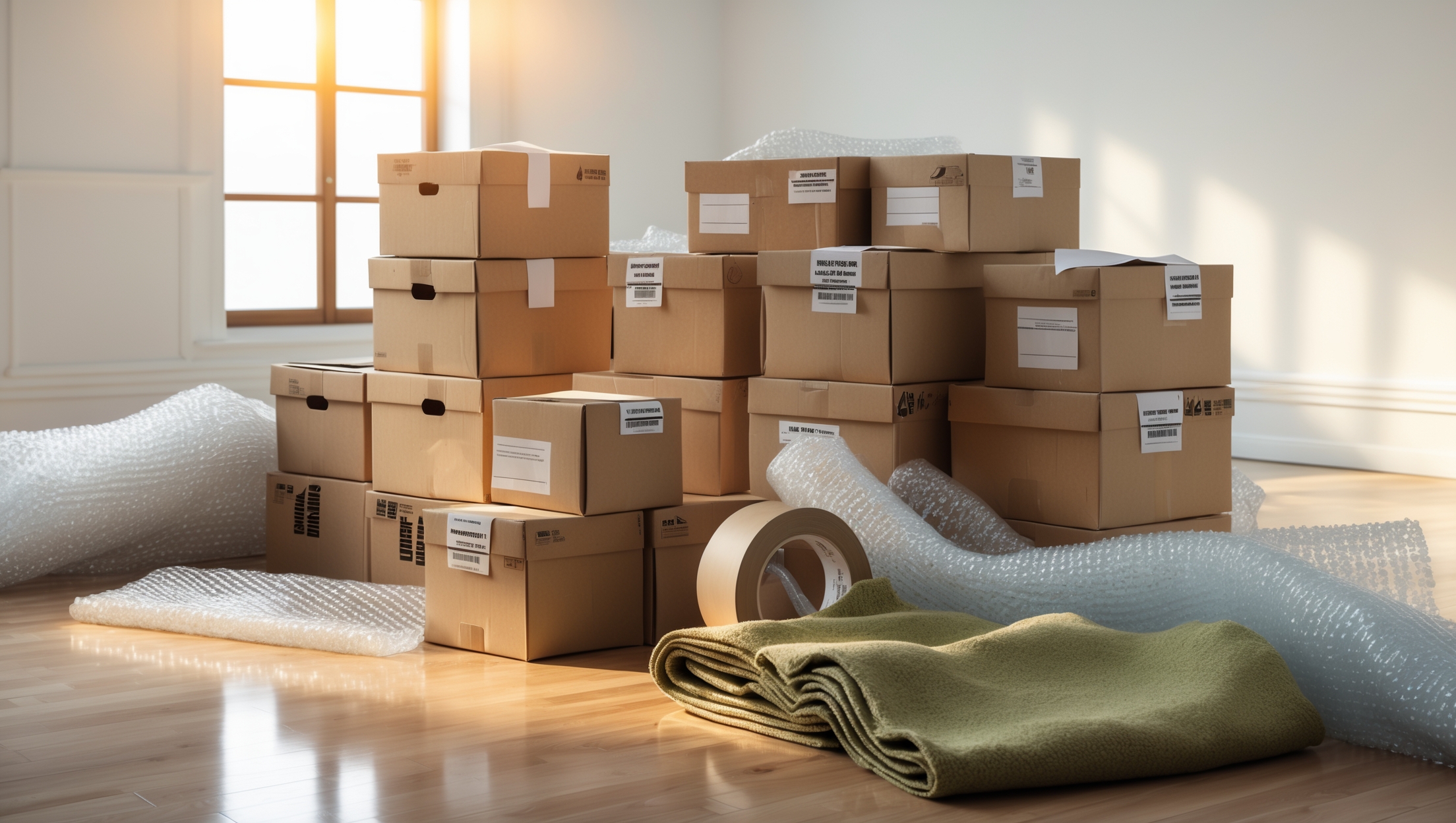
Introduction: Why the Right Moving Supplies Make All the Difference
When it comes to moving, most people focus on logistics—dates, trucks, routes—without realizing that the foundation for a smooth move is often as simple as having the right supplies. The difference between a chaotic, stressful packing experience and a streamlined, damage-free move often comes down to preparation and the materials you use. Professional movers know that the right tools, boxes, and packing materials can mean the difference between a broken heirloom and a seamless transition to your new home. Whether you’re packing up a studio apartment or a five-bedroom house, a comprehensive moving supplies checklist—and knowing how to use each item—will help you save time, protect your belongings, and make unpacking far less daunting. This in-depth guide, crafted with expert insights, will walk you through every supply you need, how to use them efficiently, what to skip, and insider tricks for packing like a pro. If you want your move to be as stress-free and organized as possible, start here.
The Complete Moving Supplies Checklist: What You Really Need
Before diving into the specifics, let’s outline the essential categories of moving supplies, each with its own critical role in a successful move. This checklist will be your roadmap, whether you’re moving across town or across the country.
- Boxes (various sizes)
- Packing tape and dispensers
- Protective materials (bubble wrap, packing paper, foam sheets)
- Moving blankets and furniture pads
- Plastic stretch wrap
- Labels and markers
- Zip-top bags and small containers
- Box cutters or scissors
- Gloves and safety gear
- Tool kit
- Furniture sliders and dollies
- Rope, bungee cords, and tie-down straps
- Garbage bags
- Mattress bags and sofa covers
- Plastic bins (optional, for special items)
Boxes: Types, Sizes, and the Pro’s Packing Strategy
Understanding Box Sizes and Their Best Uses
Not all boxes are created equal. The right mix of sizes will save you time, space, and backaches. Here’s what professional movers recommend:
- Small Boxes (1.5 cubic feet): Ideal for heavy, dense items like books, tools, or canned goods.
- Medium Boxes (3 cubic feet): The workhorse of your move, perfect for kitchenware, toys, or non-fragile decor.
- Large Boxes (4.5–6 cubic feet): Use for lightweight, bulky items like bedding, pillows, and lampshades.
- Specialty Boxes: Wardrobe boxes (with hanging rods) for clothes, dish packs (double-walled) for china/glassware, TV boxes, and picture/mirror boxes.
Pro Tips for Box Selection and Packing
- Don’t Overload: Never fill large boxes with heavy items—it increases the risk of breakage and injury.
- Uniform Sizes: Use boxes of similar sizes for easier stacking in the truck.
- Quality Counts: Use new or sturdy second-hand boxes. Weak boxes collapse and cause damage.
Packing Tape: Types, Dispensers, and Securing Tricks
Choosing the Right Tape
High-quality packing tape is non-negotiable. Here’s how to choose and use it:
- Standard Packing Tape (2–3 inches wide): For sealing boxes.
- Heavy-Duty Tape: For reinforcing heavy boxes and sealing seams.
- Masking Tape: Good for labeling or temporary fixes, but not for sealing boxes.
Expert Tape Application
- Always double-tape the bottom seam of each box in an “H” pattern for added strength.
- Use a tape gun/dispenser to save time and prevent waste.
- Reinforce box corners and handles as needed.
Protective Materials: Preventing Damage Like a Pro
Bubble Wrap, Foam, and Packing Paper
- Bubble Wrap: Best for fragile items, electronics, and anything with sharp corners.
- Packing Paper: For wrapping dishes, glassware, and filling empty box spaces. Avoid using newspaper on items that stain easily.
- Foam Sheets: Great for stacking plates, separating framed art, or cushioning electronics.
How Much to Get?
Estimate one roll of bubble wrap, one large pack of packing paper, and a set of foam sheets for every two rooms. It’s better to have extra than to run out mid-pack.
Moving Blankets, Furniture Pads, and Stretch Wrap
Why Professionals Never Skip This Step
- Moving Blankets: Essential for protecting furniture, appliances, and large electronics from scratches, dents, and dirt.
- Furniture Pads: For extra cushioning on delicate items or surfaces.
- Plastic Stretch Wrap: Secures doors and drawers, bundles awkward items, and protects fabric surfaces from dust and moisture.
Application Techniques
- Wrap stretch wrap around furniture after covering with blankets for maximum protection.
- Use furniture pads between stacked items to prevent friction damage.
Labeling and Organizing: Systems That Save Hours
Labels, Markers, and Inventory Sheets
- Permanent Markers: Use bold, smudge-resistant markers to label every box on at least two sides.
- Pre-Printed Labels or Color Codes: Assign a color to each room for fast sorting at the new location.
- Inventory Lists: Keep a master list of box contents and numbers for high-value or complex moves.
Expert Labeling Tips
- Include destination room and a brief description of contents (“Kitchen – Glasses & Mugs”).
- Label fragile boxes prominently and load them last.
- Number boxes for quick cross-reference with your inventory sheet.
Small Supplies That Make a Big Impact
- Zip-Top Bags: Store hardware (screws, bolts) from disassembled furniture and tape them to the corresponding piece.
- Plastic Bins: Use for items you’ll need immediately or that require extra protection from moisture.
- Box Cutters/Scissors: Keep multiple on hand for packing and unpacking.
- Gloves: Protect your hands from cuts and blisters, especially when handling heavy or abrasive items.
- Basic Tool Kit: Essential for disassembling furniture and last-minute fixes.
- Rope, Bungee Cords, Straps: Secure items in the moving truck to prevent shifting and damage.
- Garbage Bags: For last-minute packing, protecting soft items, and gathering trash as you go.
- Mattress Bags & Sofa Covers: Keep mattresses and upholstered furniture clean and dry throughout the move.
Insider Packing Hacks: Professional-Grade Tips
Box Assembly and Filling
- Assemble boxes with double tape on the bottom; add a cardboard ‘pad’ for extra strength if packing heavy items.
- Fill boxes completely, using packing paper to pad gaps—partially filled boxes collapse under weight.
Packing Fragile and Irregular Items
- Wrap fragile items individually and stand plates on edge, never flat.
- Use clothing or towels as extra padding for breakables (but avoid wrapping anything that could snag or stain).
- Pack lampshades and delicate decor in their own boxes; never nest them with heavy items.
Efficient Loading and Unloading
- Keep a “first-open” box with essentials (tools, medications, chargers, basic cookware) clearly labeled and loaded last.
- Use furniture sliders or a dolly for heavy furniture to avoid injuries and protect floors.
- Distribute weight evenly and stack heavier boxes on the bottom, lighter on top.
Where to Get Moving Supplies: Buy, Rent, or Reuse?
Buying New vs. Sourcing Used
- Buy New: Best for fragile, high-value, or specialty items. Major home improvement stores and online retailers offer moving kits.
- Reuse: Sourcing sturdy, clean boxes from local stores, friends, or online marketplaces saves money and is eco-friendly. Avoid boxes with stains or odors.
Renting Supplies
- Many moving companies rent out wardrobe boxes, dollies, and moving blankets—ideal for short-term, high-quality needs without the full purchase price.
Eco-Friendly Options
- Consider renting reusable plastic bins for a green move—these are durable, stackable, and reduce waste.
- Donate or recycle your supplies after the move to keep your environmental impact low.
Common Pitfalls: What to Avoid When Shopping for Supplies
- Cheap Tape: Low-quality tape peels, splits, and requires multiple layers. Spend a little more for reliability.
- Weak Boxes: Flimsy or overused boxes can buckle, collapse, or tear, risking your valuables.
- Insufficient Padding: Underestimating the need for bubble wrap or packing paper is a leading cause of breakage.
- Ignoring Safety Gear: Gloves and proper lifting aids can prevent injuries—don’t skip them.
Advanced Tips: Supplies for Special Situations
Long-Distance or Self-Storage Moves
- Use plastic bins for items that will be stored long-term or may encounter moisture.
- Silica gel packs or moisture absorbers help protect sensitive items in storage.
- Invest in tamper-evident seals for added security.
Moving in Bad Weather
- Stock up on extra plastic sheeting, tarps, and waterproof covers if rain or snow is in the forecast.
- Have old towels and doormats on hand to keep floors dry and prevent slips during loading/unloading.
Step-by-Step: Organizing Your Supplies for Maximum Efficiency
- Set up a dedicated packing station with your supplies centrally located.
- Divide boxes and materials by room, so each area has what it needs.
- Keep sharp tools, tape, and markers within arm’s reach at all times.
- As you pack, keep a running inventory and set aside a box or bin for last-minute essentials.
Conclusion: Start Strong, Finish Smarter
The right moving supplies are more than a convenience—they’re a safeguard for your belongings and your peace of mind. By investing the time to gather quality boxes, protective materials, labels, and specialty items, you’re setting yourself up for a move that’s not only efficient but also far less stressful. Professional movers rely on these supplies because they work: they prevent breakage, streamline packing and loading, and ensure that everything arrives at your new home in the same condition it left. Avoiding cheap shortcuts in this stage pays off exponentially on moving day and during unpacking.
Approach your packing process with a game plan, organize your materials by room, and use the pro tips above to maximize efficiency. If you’re moving in special circumstances—bad weather, long-term storage, or handling unusually valuable items—adjust your supplies list for those needs. Remember: what you invest in good supplies now saves you hours of work (and potential heartbreak) later. A well-prepared move isn’t about luck; it’s about strategy and the right tools. With this expert checklist and guide, you’ll be ready to tackle your next move with confidence, clarity, and calm.
Are there any budget-friendly alternatives to some of the specialized supplies like moving blankets or box cutters, especially for someone moving out of a small apartment on a tight budget?
For a small apartment move on a tight budget, you can use old blankets, towels, or sheets instead of moving blankets to protect your furniture. Regular kitchen knives or scissors can substitute for box cutters—just be careful handling them. Even newspapers or grocery bags work as packing material in place of bubble wrap.
Can you explain more about what situations you would want to use plastic bins instead of regular cardboard boxes? I saw they’re listed as optional, but I’m not sure when it’s worth getting them.
Plastic bins can be especially useful if you need extra protection from moisture, like when packing for storage in a basement or garage, or if you want to keep fragile or valuable items safer during a move. They’re also great for items you plan to access repeatedly, since they’re more durable and stackable than cardboard boxes. For most standard moves, cardboard boxes work well, but consider plastic bins for these special situations.
You mention using labels and markers—any tips for a labeling system that actually makes unpacking and finding essentials easier once you move in?
Try labeling each box with its destination room and a brief list of contents, like ‘Kitchen: Pots, Pans, Utensils.’ Use a different colored marker or sticker for each room to make sorting easier. For essentials, mark those boxes as ‘Open First’ so you can quickly find what you need right away.
If I’m trying to stick to a budget, are there certain packing materials or tools on your list that are okay to skip or find cheaper alternatives for, without risking damage to my belongings?
Absolutely, some items can be swapped for budget-friendly options. Instead of buying packing paper or bubble wrap, use towels, blankets, or newspapers to cushion fragile items. You can also collect free boxes from local stores or friends. Just make sure not to skip sturdy tape and quality boxes for heavier items to keep your belongings safe.