

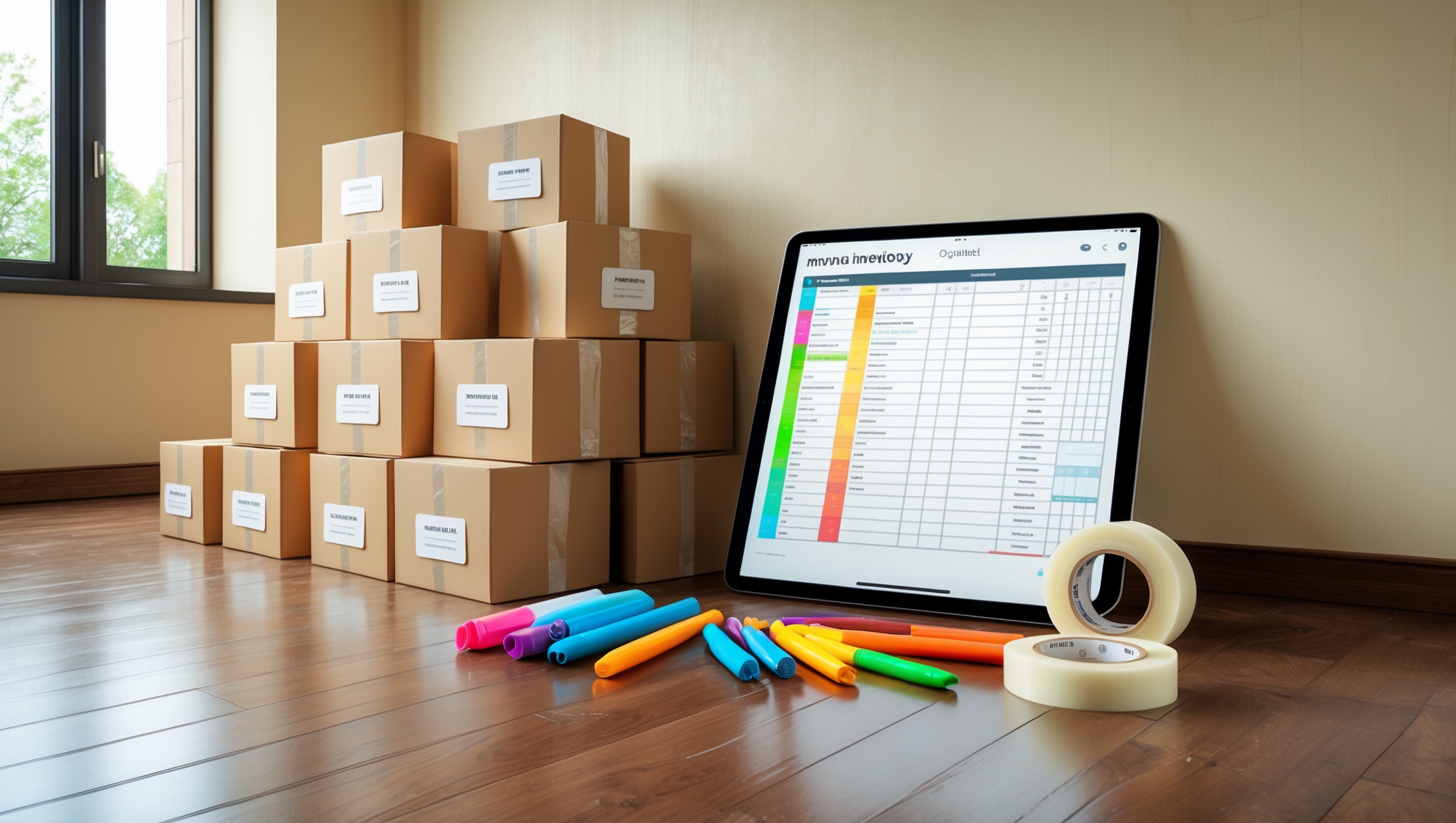
Introduction: Why a Detailed Moving Inventory is Essential
Moving to a new home is a major undertaking, filled with endless to-do lists, packing challenges, and the ever-present risk of losing or damaging belongings. One of the most overlooked yet critically important steps in a successful move is creating a thorough moving inventory. Skipping this step can lead to missing items, insurance headaches, and hours wasted searching for essentials in a sea of boxes. Seasoned moving experts agree: a well-prepared inventory is your best defense against chaos and confusion. In this comprehensive guide, we’ll share proven techniques for building, managing, and using a moving inventory system that works for households of any size. From selecting the right tools to itemizing your possessions and tracking every box, you’ll learn how to safeguard your items, save time, and enjoy a smoother relocation experience.
The Benefits of a Detailed Moving Inventory
1. Preventing Lost or Misplaced Items
A detailed inventory ensures every item is accounted for before, during, and after the move. By assigning each box and valuable a unique identifier, you minimize the risk of losing track of anything—from everyday essentials to irreplaceable keepsakes.
2. Streamlining Packing and Unpacking
Systematic inventorying makes packing more efficient. You’ll know exactly what goes into each box, which helps with careful packing and makes unpacking at your new home far less overwhelming.
3. Simplifying Insurance Claims
Should any items be damaged or lost, a complete inventory—especially with photos and estimated values—makes it easier to file accurate insurance claims. Many moving or renters’ insurance policies require proof of ownership and condition.
4. Facilitating Communication with Movers
If you’re hiring professional movers, a clear inventory helps them handle your belongings with care and ensures all items arrive safely. It also reduces disputes over missing or damaged items.
Choosing the Right Inventory Tools
Digital vs. Paper Inventory Systems
- Paper Lists: Traditional and simple, but can be time-consuming and prone to loss or damage.
- Spreadsheets: Programs like Microsoft Excel or Google Sheets allow for easy editing, sorting, and sharing. Useful for creating checklists and tracking box numbers.
- Inventory Apps: Specialized moving or home inventory apps (e.g., Sortly, Moving Organizer) offer features like barcode scanning, photo uploads, and cloud storage. They’re ideal for tech-savvy movers.
Essential Supplies
- Permanent markers for labeling boxes
- Pre-printed or blank inventory sheets (if going paper-based)
- Labels or stickers with unique box numbers or QR codes
- Digital camera or smartphone for photographing items
- Tablet or laptop (for digital tracking)
- Storage folders or binders (for paper documentation)
Select the system that suits your comfort level and the complexity of your move. For most, a hybrid approach—digital inventory with printed backups—offers the best of both worlds.
Step-by-Step Guide: Building Your Moving Inventory
1. Start Early and Go Room by Room
Begin your inventory process several weeks before your move. Work room by room to avoid missing items. Tackle one space at a time—kitchen, living room, bedrooms, garage, etc.—and list every item you plan to move.
2. Assign Unique Identifiers
- Box Numbers: Label each box with a unique number and record its contents in your inventory.
- Category Codes: Use codes for categories (e.g., K for kitchen, LR for living room) to make sorting and tracking easier.
- QR Codes/Barcodes: For digital systems, print and attach QR codes or barcodes to boxes that link to item lists in your app.
3. Document Contents and Condition
For each box and item, record:
- Item Description: Be specific—”Set of 6 blue dinner plates” instead of “dishes.”
- Quantity: Note how many of each item.
- Condition: Document the state of valuable/fragile items with notes or photos.
- Estimated Value: Especially important for high-value possessions.
- Destination Room: Indicate where each box should go in your new home.
4. Photograph High-Value and Fragile Items
Take clear photos of electronics, antiques, artwork, and other valuables. Include serial numbers when possible. Store these photos with your inventory (digitally or printed).
5. Track Packing Progress
Mark boxes as “packed,” “in transit,” or “unpacked” in your inventory. This helps you monitor progress and quickly spot if anything is missing at delivery.
Advanced Tips for Large Households and Complex Moves
Color-Coding for Quick Identification
Use colored labels or tape to designate boxes by room or priority. This visual system helps movers and family members place boxes correctly at your new home.
Creating Sub-Lists for Fragile and Essential Items
Maintain separate lists for fragile items and essentials (like your “Open First” box). This ensures special care is taken, and you’ll know where to find must-have items immediately after moving in.
Managing Shared or Multi-Generational Moves
- Assign inventory responsibility to each household member.
- Use initials or color codes to note ownership on the master list.
- Regularly review the inventory together to prevent mix-ups.
Integrating Inventory with Packing and Unpacking
Packing Strategies That Complement Your Inventory
- Pack by category and room to match inventory groups.
- Update inventory in real-time as you pack.
- Seal boxes only after confirming contents on the list.
Unpacking with an Inventory System
- Check off boxes and items as they arrive at your new home.
- Prioritize unpacking essentials and fragile items based on your sub-lists.
- Use your inventory to quickly set up rooms and locate important belongings.
Inventory for Insurance and Claims: What Experts Recommend
Preparing for the Unexpected
Accidents and losses happen—even with the best planning. Use your inventory to provide detailed, dated proof of ownership, value, and condition for insurance claims. Store digital copies of receipts and appraisals for high-value items.
Communicating with Movers and Insurers
- Share relevant sections of your inventory with moving companies, especially for specialty items.
- Retain signed delivery checklists as proof of what was received and in what condition.
- Promptly update your insurer if items are damaged or lost, referencing your inventory documentation.
Choosing the Right Inventory App: Features to Look For
- Cloud Sync: Access your inventory from multiple devices and locations.
- Photo Attachments: Link images to items for proof and easy identification.
- Search and Filter: Quickly find items by keyword, room, or box number.
- Barcode/QR Scanning: Speed up adding items to your list and tracking boxes.
- Export Options: Create printable lists for movers or insurance purposes.
- Data Security: Ensure your information is backed up and protected.
Test a few apps before moving day to find one that fits your workflow and comfort level.
Inventory Best Practices for Special Items
Artwork and Collectibles
- Photograph from multiple angles.
- Include appraisals or certificates of authenticity.
- Use custom packing materials and note condition before packing.
Electronics and Appliances
- Record serial numbers, model info, and original packaging (if available).
- Take photos of cable setups for easy reassembly.
Jewelry and Small Valuables
- List detailed descriptions, values, and storage locations.
- Keep high-value items with you during the move if possible.
Maintaining Your Inventory Post-Move
Updating and Archiving
Once you’ve settled in, update your inventory to reflect what’s been unpacked, donated, or discarded. Archive your move-specific inventory as a record for future reference, insurance, or tax purposes.
Using Inventory for Home Organization
Your moving inventory provides a ready-made record of your possessions—use it to organize storage spaces, plan home layouts, and keep track of seasonal items or stored belongings.
Conclusion: The Expert Advantage of a Moving Inventory
A comprehensive moving inventory is more than just a list—it’s your roadmap to an organized, efficient, and low-stress relocation. By following the expert strategies outlined here, you’ll protect your belongings, simplify your packing and unpacking, and ensure nothing important slips through the cracks. The time invested in creating a thoughtful inventory pays dividends throughout your move and beyond; not only does it safeguard your valuables, but it also streamlines insurance, speeds up settling in, and provides peace of mind that everything is right where it should be. Whether you’re moving across town or the country, for the first time or the tenth, make a detailed inventory your secret weapon for moving success. Start early, stay systematic, and empower yourself with the kind of organization that separates expert movers from the rest. Your future self will thank you at every step of your journey.
The article mentions labeling each box with a unique identifier. Do you have any tips for making this process efficient without spending a ton of extra time or money?
To save time and money, use a simple numbering system and write numbers directly on each box with a bold marker. Keep a notebook or spreadsheet where you list the contents by box number. If you want to go digital, free apps or basic phone photos of each box as you label them can also help track what’s inside.
The article mentions assigning unique identifiers to every box and valuable, but how do you keep that organized when you’re dealing with dozens of boxes? Are there practical tips for labeling and tracking, especially when time is limited?
To stay organized with many boxes, use pre-printed or color-coded labels and number each box clearly. Keep a notebook or digital spreadsheet with a list of contents for each box number. If you’re short on time, jot down key items on each box and snap a photo of the box and its label for quick reference later.
Do you have any tips on what kind of tools or apps are best for creating a moving inventory, especially if I’m on a tight budget as a student?
If you’re on a budget, free tools like Google Sheets or Excel are great for making a customizable moving inventory. You can also try free apps such as Sortly (with its basic plan) or MyStuff2 Lite for simple item tracking. Using your smartphone’s camera alongside these tools will help you keep visual records without extra cost.
When you mention assigning unique identifiers to each box or valuable, do you recommend using a numbering system, barcodes, or something else? I’m worried about getting mixed up between boxes during the chaos of moving day.
Numbering each box is a simple and effective method, especially if you keep a detailed list matching each number to its contents. If you want even more accuracy and less chance of mix-ups, using barcodes or QR codes works well. You can scan them with your phone and instantly view the contents, making tracking much easier amid the moving day rush.
How detailed do insurance companies usually require the inventory to be for claims? Do estimates of value and photos need to be included for every single item, or just for higher value belongings?
Most insurance companies expect a fairly detailed inventory, especially for higher value items. For general belongings, a description and estimated value are often enough. However, for expensive or unique items, it’s best to include photos and receipts if possible. Not every single item needs photos and exact values—focus that level of detail on things you would want to claim individually.
If someone is moving on a really tight schedule, are there any shortcuts you suggest for building a useful inventory without spending hours cataloging every single item?
If time is tight, focus on listing only high-value, essential, or fragile items instead of everything you own. Take quick photos of each room or box for reference, and jot down brief notes for important boxes. This saves time while still helping you track key belongings during the move.
If I’m not sure of the estimated value of some belongings for insurance purposes, what’s the best way to figure that out and document it properly in the inventory?
To estimate the value of your belongings, research current prices for similar items online or check original purchase receipts if you have them. For antiques or valuables, consider getting a professional appraisal. In your inventory, record item descriptions, estimated values, purchase dates, and photos. This will help with insurance documentation.