

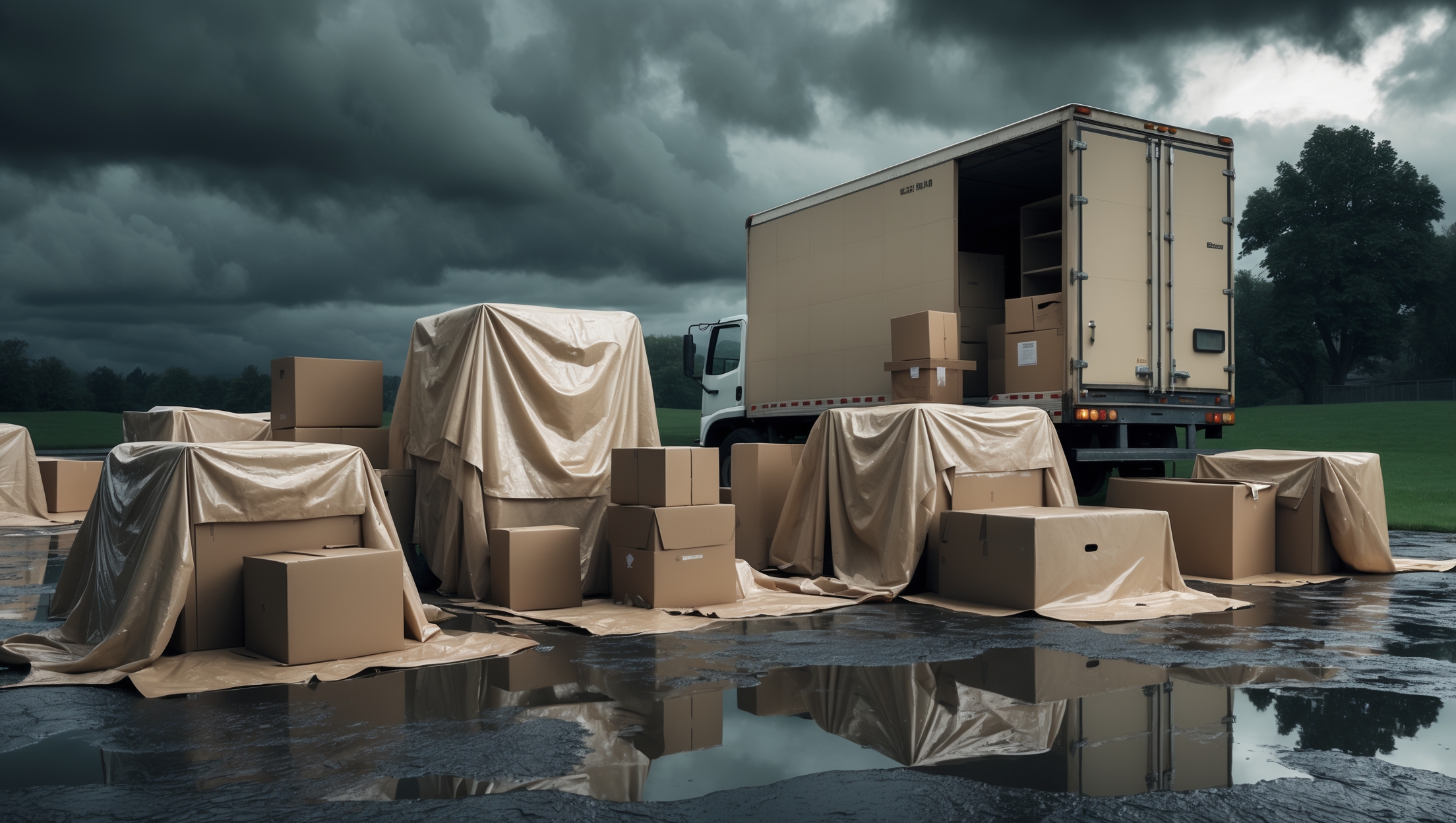
Introduction: Weathering the Move—Why Preparation Matters
Moving day rarely waits for perfect conditions. Whether you’re relocating across town or making a cross-country leap, the weather will not always cooperate with your timeline. Rain can soak boxes and turn sidewalks slick. Snow and ice make driveways treacherous, while summer heat tests endurance and threatens sensitive items. Yet, as any moving expert will confirm, a successful move is entirely possible even in the harshest weather—if you plan smartly. This guide draws on professional strategies to help you prepare, pack, and execute a move when the forecast is less than friendly. You’ll learn how to protect your belongings, keep your crew safe, and minimize delays, so that your move stays on track and your possessions arrive in top condition. Let’s break down the unique challenges of moving in rain, snow, and heat, with step-by-step tactics to ensure you’re ready for whatever the skies deliver.
Assessing the Forecast: Timing and Flexibility
Checking the Weather Early and Often
Begin monitoring the weather at least two weeks before your move. Use multiple sources—local news, weather apps, and official meteorological websites. As moving day approaches, look for detailed, hourly forecasts for both your departure and arrival locations.
- Set up alerts: Enable notifications for sudden changes, such as storm warnings or heat advisories.
- Track timing: If rain or snow is predicted for the afternoon, schedule your heaviest moving for the morning hours.
- Plan alternate days: If possible, reserve a backup moving window in case of extreme conditions.
Understanding Your Moving Contract
Some moving companies have weather-related clauses. Confirm their policies for delays or rescheduling. If you’re DIY moving, check your vehicle rental’s weather cancellation terms to avoid unnecessary fees.
Packing for Protection: Rain, Snow, and Moisture
Choosing the Right Packing Materials
Not all packing supplies are equal when precipitation is in the forecast. Professional movers rely on the following:
- Plastic bins: Use weatherproof totes for items sensitive to moisture—clothing, electronics, books, and important documents.
- Heavy-duty plastic wrap: Secure mattresses, sofas, and soft furnishings with commercial-grade stretch wrap to prevent water penetration.
- Double-boxing: For valuable or delicate items, pack them in a smaller box, then nest within a larger, plastic-lined box.
- Contractor bags: Line boxes with thick plastic bags before sealing. For quick protection, have extra bags on hand for last-minute wrap-ups.
Sealing and Labeling
Always tape boxes tightly with weather-resistant packing tape. Label all boxes with waterproof markers. Avoid using paper labels that can disintegrate or run in the rain.
Moving in the Rain: Strategies for Wet Weather Success
Protecting Your Home and Pathways
- Floor runners and mats: Lay down old towels, non-slip mats, or plastic sheeting along hallways and stairs to absorb water and prevent slips.
- Doorway covers: Hang tarps or shower curtains over entrances to shield interiors from rain blown in by wind.
- Umbrella stations: Set up a canopy or large umbrellas at the loading point to create a dry staging area.
Loading the Truck Efficiently
- Stagger loading: Keep most items indoors, moving them in small batches so nothing sits exposed outside.
- Teamwork: Assign one person to stay in the truck, receiving boxes and stacking immediately to reduce how long items are exposed.
- Layering: Start with plastic bins and waterproof items, then add more sensitive belongings once the truck is partially loaded and dry inside.
Drying and Ventilating
Before closing the truck, wipe down wet boxes and surfaces with towels. During transport, leave a small gap for ventilation if possible to avoid trapping moisture inside, which can cause mold or mildew.
Snow, Ice, and Cold: Special Challenges and Solutions
Pre-Move Preparation
- Clear walkways: Shovel all paths, steps, and driveways thoroughly. Spread de-icer or sand for traction.
- Cover entryways: Erect a tent, awning, or pop-up canopy at main doors to shield from falling snow.
- Warm-up area: Designate a heated room as a staging zone for movers to warm up and for boxes to acclimate before loading.
Packing Adjustments
- Insulate fragile items: Extreme cold can shatter glass or damage electronics. Wrap these in thick blankets or thermal bubble wrap, and avoid leaving them outside for long.
- Double-bag liquids: Place cleaning supplies or pantry liquids in sealed plastic bags to contain leaks that can freeze and burst.
Safety and Scheduling
- Shorter shifts: Move in shorter bursts to limit exposure to cold. Take frequent breaks to avoid frostbite or hypothermia.
- Check vehicle readiness: If driving, ensure your moving truck is winter-ready—check tires, antifreeze, windshield wipers, and keep an emergency kit on board.
Extreme Heat and Sun: Keeping Cool and Staying Safe
Time Your Move Wisely
- Early start: Begin loading at dawn to avoid midday heat. Schedule strenuous tasks for the coolest part of the day.
- Shade and hydration: Set up portable canopies for shade. Keep a cooler filled with water and electrolyte drinks for all helpers.
Protecting Belongings and People
- Heat-sensitive items: Move electronics, candles, medications, and perishables last, and transport them in air-conditioned vehicles if possible.
- Box ventilation: Avoid plastic wrap on items that can sweat or overheat. Use breathable packing materials for textiles and artwork.
- Sunscreen and hats: Require everyone to wear SPF and protective clothing, especially if loading in direct sun.
Watching for Heat Illness
Monitor for signs of heat exhaustion: dizziness, rapid heartbeat, headaches, or nausea. Rotate helpers frequently and never hesitate to pause for cooling off.
Transportation Tactics: Driving and Delivery in Tough Conditions
Wet and Slippery Roads
- Check tires and brakes: Verify that your moving vehicle has good tread and functioning brakes before departure.
- Reduce speed: Drive below the speed limit, especially when carrying a full load. Allow extra stopping distance.
- Lights on: Use headlights in rain or snow, even during daylight, for visibility.
Cold Weather Hazards
- De-icing tools: Carry extra windshield washer fluid, an ice scraper, and snow chains if needed for your route.
- Check for black ice: Be especially cautious on bridges and shaded stretches of road.
Heat and Vehicle Performance
- Check coolant levels: Prevent overheating by topping off fluids before the move.
- Rest stops: Allow the vehicle and your crew regular breaks to cool down during especially hot journeys.
Unloading and Settling In: Post-Move Weather Recovery
Inspect for Damage Immediately
- Open boxes quickly: Check for moisture or water damage. Unpack items promptly to air out and dry if needed.
- Wipe down surfaces: Clean all furniture and boxes to remove any mud, salt, or debris tracked in during the move.
Environmental Controls
- Dehumidifiers and fans: Set these up in humid or wet rooms to accelerate drying and prevent mold growth.
- Temperature acclimation: Let electronics and artwork adjust to indoor temperatures before plugging in or hanging.
Disposal of Weather-Related Packing Materials
- Recycle plastic: Gather up tarps, wraps, and contractor bags for appropriate disposal or recycling.
- Dry out mats: Hang runners and towels to dry thoroughly before storing or reusing.
Expert Packing and Unpacking Checklist for Any Weather
- Monitor weather forecasts daily in the week leading to your move.
- Stock up on extra plastic wrap, tarps, and waterproof bins.
- Prepare home entryways with mats and covers a day before moving.
- Set up hydration/heat stations or warm-up rooms as needed.
- Assign roles: loader, truck packer, safety spotter, and floor protector.
- Inspect moving vehicles for weather readiness.
- Unpack promptly and check for any weather-related damage.
Conclusion: Moving Mastery in Any Weather
Moving in the rain, snow, or blistering heat may seem daunting, but with the right preparation and expert strategies, you can conquer any climate. The key is to start planning early, monitor forecasts closely, and adapt your packing, loading, and transportation methods to minimize risk and maximize efficiency. Investing in weather-resistant packing supplies, safeguarding your pathways, and keeping your team safe and hydrated are all critical steps toward a successful move. Don’t underestimate the importance of post-move recovery, either—unpacking promptly and checking for damage ensures your belongings remain in great condition.
Above all, remember that flexibility is your friend. Sometimes, a small adjustment in timing or tactics can make all the difference when the weather refuses to cooperate. Whether you’re braving a summer downpour, icy sidewalks, or the midday sun, the expert tactics in this guide will help you keep your move on track, your home protected, and your stress level in check. With these tips in your toolkit, you’ll be ready to turn even the worst weather into just another small hurdle on your journey to a new home.
You mentioned tracking weather using multiple apps and sources. Are there any particular weather alert apps or websites you’ve found most accurate for last-minute moving day decisions?
For last-minute moving day decisions, we’ve found that apps like Weather Underground and AccuWeather provide detailed, hyper-local updates and real-time alerts. The National Weather Service website is also reliable for official warnings. Using a combination of these can help you catch any sudden changes right before your move.
Could you share more specifics on the kinds of packing materials that hold up best against both rain and snow? I’m especially curious about what works in heavy downpours since I might be moving soon during storm season.
For moves in heavy rain or snow, opt for sturdy plastic bins or waterproof moving boxes instead of regular cardboard. Use thick plastic wrap or contractor-grade trash bags to cover items and seal boxes. Consider moisture-resistant tape to reinforce seams, and pack valuables in double layers for added protection. These materials help keep belongings dry even in severe weather.
Can you suggest budget-friendly packing materials that work well for protecting boxes from heavy rain, especially when moving on a tight schedule?
For rainy moves on a budget, consider using heavy-duty garbage bags to wrap boxes or belongings—they’re cheap and waterproof. Plastic wrap from discount stores can seal boxes against moisture. Also, save plastic grocery bags to cover smaller items or fill gaps inside boxes. These options help keep your things dry and are quick to use when time is tight.
When monitoring the weather two weeks ahead, what’s the best way to handle fast-changing forecasts if I have limited flexibility with my moving date?
If your moving date can’t change, keep a close eye on updated forecasts as the day approaches. Have protective gear like tarps and plastic wrap ready, and communicate with your movers about backup plans for rain or extreme weather. Consider packing an essentials box separately for easy access if conditions slow things down.
When checking the weather forecast and setting up alerts, which specific apps or tools do you find most reliable for last-minute changes that might impact moving plans?
Many people rely on apps like AccuWeather, The Weather Channel, and NOAA Weather Radar for timely updates and severe weather alerts. These tools are known for providing accurate, real-time notifications that can help you adjust your moving plans quickly if conditions change unexpectedly.
What should I do if the moving company’s weather policy isn’t clearly stated in the contract? Is there a way to negotiate more flexibility in case of a last-minute weather problem?
If the weather policy isn’t clearly outlined, contact the moving company directly and ask for clarification in writing. You can request adding a clause or amendment to the contract that addresses rescheduling or flexible terms due to severe weather. Most reputable companies are open to these adjustments if discussed before moving day.
If I’m moving during a heat wave, do you have any tips for protecting electronics or things like candles that might melt in the truck?
To protect electronics and items like candles during a heat wave, pack them separately and transport them in your air-conditioned vehicle if possible. For items left in the truck, use insulated containers or wrap them in towels to buffer against the heat, and load them last so they’re unloaded first.
What should I do if the weather forecast keeps changing right up until moving day? Do you have tips for making a last-minute decision or switching to a backup plan quickly?
If the forecast is unpredictable, prepare for both your planned move and possible bad weather. Pack essentials separately and waterproof your boxes. Have contact info ready for your movers or helpers so you can update them quickly. Monitor the forecast regularly, and decide the night before or early on moving day. If needed, be ready to reschedule or use tarps and extra help for sudden weather changes.
When monitoring the weather ahead of my move, how do I decide if it’s truly safer to wait, or just adjust my start time to avoid the worst of the conditions?
Consider the severity and timing of the weather. If forecasts show extreme conditions like heavy downpours, icy roads, or dangerous heat, it’s safest to reschedule. For milder or short-lived weather, adjusting your start time to avoid peak intensity—such as starting earlier or later—can help you stay safe while still moving as planned.
Do movers typically charge extra for weather delays, or is that only if you need to completely reschedule because of something like a snowstorm?
Most moving companies don’t charge extra just for minor weather delays, but if severe weather like a snowstorm causes a full reschedule, there could be additional fees. It’s best to check the company’s policy beforehand, as some may have specific terms for weather-related changes or cancellations.
Can you suggest any budget-friendly alternatives to expensive waterproof packing materials if the forecast predicts heavy rain on my moving day?
If rain is likely, you can use large plastic trash bags to cover boxes or wrap items, which is much cheaper than specialty waterproof materials. Plastic shower curtains or tarps from discount stores also work well for protecting bigger items. Just make sure to seal everything tightly with tape to keep out water.
If the forecast keeps changing right up to moving day, how do you decide the best time to actually start? Is it usually better to wait out early morning storms or get things done before afternoon weather gets worse?
When the weather is unpredictable, it’s smart to monitor updates frequently and plan for flexibility. Generally, moving earlier in the day is safer, since afternoon storms and heat tend to intensify. However, if severe weather is expected in the morning, wait until it clears. Prioritize safety and prepare a backup plan in case you need to adjust your timing.
You mention tracking hourly forecasts for both departure and arrival. If I’m moving long distance and have to drive through varying weather, do you have tips on adjusting the plan on the go to keep things on track?
When moving long distance, check weather apps frequently during your drive and set alerts for severe weather along your route. Build extra time into your schedule for possible slowdowns. If conditions worsen, identify safe places to pause, like rest stops or hotels. Flexibility is key—don’t hesitate to adjust your route or stop early if needed to stay safe.
When packing for rain, what type of materials actually work best to keep my boxes dry—should I just use plastic bins, or are there certain wraps or covers that provide good protection on a budget?
Plastic bins are very effective for keeping items dry, but if you’re on a budget, you can use heavy-duty garbage bags or plastic wrap to cover your boxes. Large contractor bags or inexpensive plastic sheeting work well to wrap around cardboard boxes and shield them from rain. Just make sure everything is sealed tightly to prevent water from leaking in.
Can you recommend specific types of packing materials that hold up best in heavy rain or snow? I’m worried regular boxes might get soggy and fall apart on a wet moving day.
For wet conditions, plastic bins with tight-fitting lids are much better than regular cardboard boxes, as they keep water out and won’t weaken if they get damp. If you need to use boxes, reinforce them with heavy-duty packing tape and cover them with large plastic bags or shrink wrap for extra protection. Also, consider using waterproof moving blankets for larger items.