

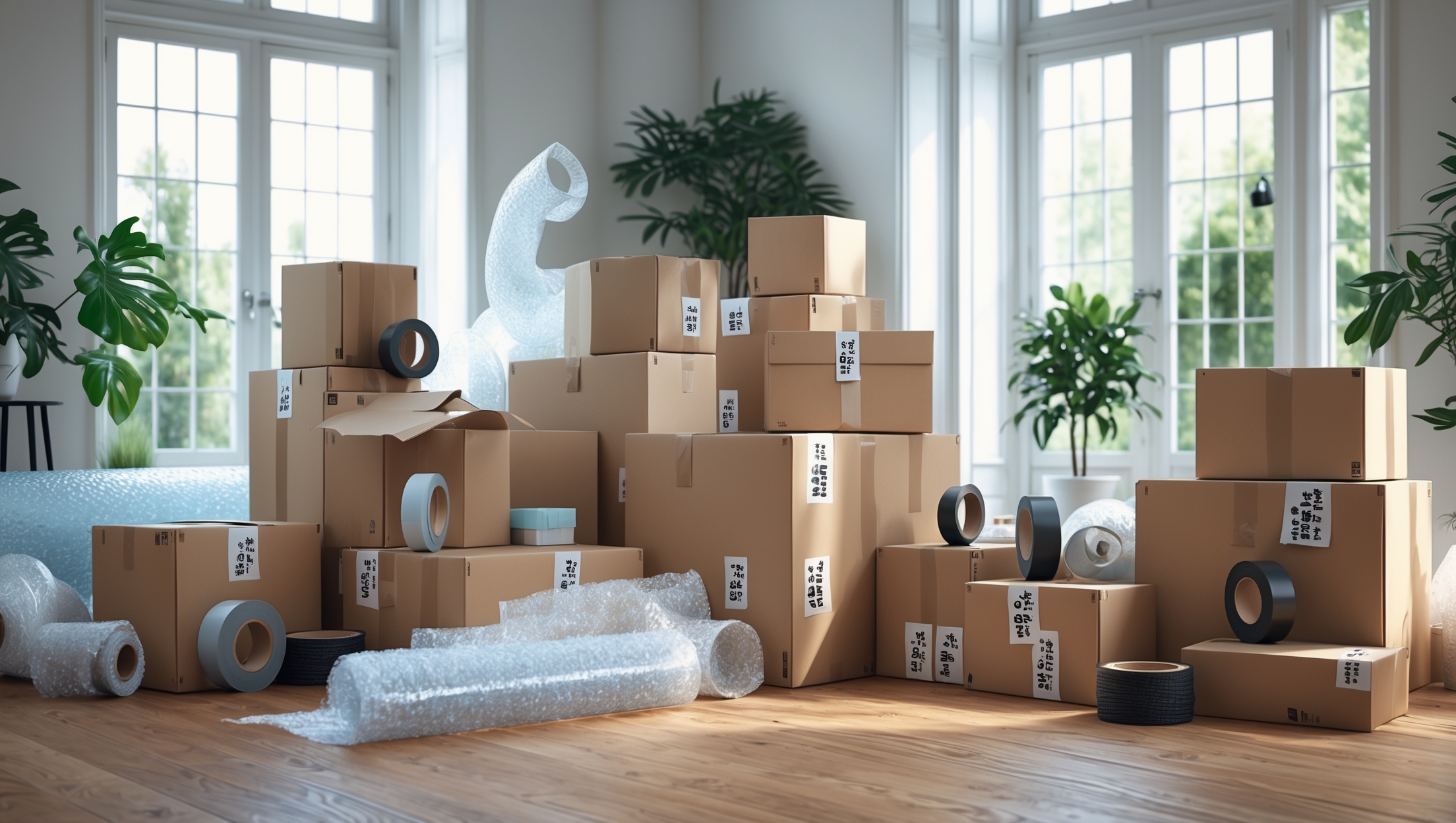
Introduction: Why Packing Matters More Than You Think
Packing is the backbone of any successful move. Whether you’re moving across the city or the country, how you pack can significantly impact the safety of your belongings, the efficiency of your moving day, and even your stress levels during the process. Many people underestimate the importance of professional packing strategies, leading to damaged items, wasted space, and costly mistakes. Packing isn’t just about putting things in boxes—it’s about protecting your investments, ensuring nothing gets lost, and making both the move and the unpacking process as smooth as possible. In this comprehensive guide, you’ll learn expert packing techniques used by professionals to guarantee your possessions arrive safely and your move stays on track. We’ll cover how to choose the right materials, break down packing room-by-room, debunk common packing myths, and provide actionable checklists so you can pack like a pro for a damage-free, stress-free relocation.
Choosing the Right Packing Materials: Foundation of a Successful Move
Understanding Material Quality
Investing in the right packing supplies is critical. Cheap or reused boxes may seem economical, but can collapse under weight or fail to protect fragile items. Professionals always recommend:
- New, double-walled moving boxes in various sizes for different items.
- High-quality packing tape—look for heavy-duty, wide rolls that hold under pressure.
- Bubble wrap and packing paper for cushioning delicate items.
- Stretch wrap for bundling and protecting furniture or awkward items.
- Corrugated cardboard sheets for extra protection between layers.
- Specialty boxes: wardrobe boxes for clothes, dish packs for china, and mirror cartons for art and glass.
- Labels and permanent markers for clear, consistent labeling.
- Zip-top bags for small hardware and loose items.
Where to Source Materials
Purchase from dedicated moving supply stores or reputable online retailers. Professional movers caution against using grocery store boxes, as they may be contaminated or structurally weakened. Some moving companies offer kits tailored to different home sizes, ensuring you don’t over- or under-buy supplies.
Room-by-Room Packing Strategies: Professional Techniques
Kitchen: Protecting Fragiles and Appliances
The kitchen is notorious for fragile, oddly shaped items. Tackle it with methodical care:
- Plate Packing: Stand plates vertically in small to medium boxes, with each plate wrapped individually in packing paper and cushioned with bubble wrap. Fill gaps with crumpled paper to prevent shifting.
- Glassware: Use cell dividers or wrap each glass in paper and bubble wrap. Place heavier items at the bottom and lighter ones on top.
- Small Appliances: Disassemble where possible. Wrap cords, secure moving parts, and pack in original boxes if available. Otherwise, use sturdy boxes and ample padding.
Living Room: Books, Electronics, and Decor
- Books: Use small boxes to avoid overloading. Pack flat or spine-down to prevent warping.
- Electronics: Remove batteries, cables, and accessories. Label and bag cords. Double-box valuable items with plenty of cushioning.
- Decor: Wrap frames and art with glass in bubble wrap, then place in specialty cartons. Fill any empty space with soft material.
Bedroom: Clothing, Bedding, and Personal Items
- Clothing: Leave hanging clothes on hangers and use wardrobe boxes for a wrinkle-free move. Fold and pack off-season clothes in medium boxes with cedar blocks to deter pests.
- Bedding: Use large, clear bags or boxes. Line with clean sheets for extra protection.
- Personal Items: Pack jewelry and valuables separately in personal bags you keep with you during the move.
Bathroom: Liquids and Personal Care Products
- Liquids: Tape lids and store in sealed plastic bags to prevent leaks. Avoid packing open bottles if possible.
- Essentials: Pack a separate, clearly labeled box of must-have items for immediate use upon arrival.
Garage and Utility Spaces: Tools and Hazardous Items
- Tools: Bundle similar items, wrap sharp edges, and pack in small, reinforced boxes.
- Hazardous Materials: Many movers prohibit paints, solvents, and flammable items. Dispose of these safely before move day.
Expert Packing Techniques: Maximizing Safety and Efficiency
Layering and Cushioning
Professional packers never skimp on cushioning. Always create a base layer of crumpled packing paper or bubble wrap in each box. Wrap each item individually and fill all empty spaces to prevent movement. For especially fragile items, double-box with extra padding between the boxes.
Weight Distribution
Keep heavy items at the bottom of boxes and lighter items on top. Never mix extremely heavy and fragile items in the same box. Limit box weight to 40-50 pounds to prevent box failure and injury during lifting.
Sealing and Labeling
Use the H-taping method: tape along the box’s center seam and edges for maximum strength. Label each box on multiple sides with both the room and the specific contents. For high-value or fragile boxes, use brightly colored labels or tape for quick identification.
Disassembly and Hardware Organization
Disassemble furniture where possible. Place all screws, bolts, and small parts in labeled zip-top bags, then tape the bags to the corresponding furniture or pack them in a dedicated hardware box.
Packing Order and Timeline: Staying Organized Under Pressure
What to Pack First
- Out-of-season clothes and decor
- Rarely used kitchenware
- Books, DVDs, and collectibles
- Garage and storage items
What to Pack Last
- Daily-use dishes and utensils
- Essential toiletries and medications
- Bedding and pillows
- Children’s comfort items or pet supplies
Creating a Packing Timeline
Begin packing nonessential items 3-4 weeks before your move. Aim to pack a few boxes per day, increasing as the move date approaches. Reserve the last week for daily essentials and a final sweep to ensure nothing is left behind.
Common Packing Mistakes and How Experts Avoid Them
- Overpacking Boxes: Leads to box failure and injuries. Stick to recommended weight limits.
- Underpacking Boxes: Causes contents to shift and break. Fill all empty space with padding.
- Poor Labeling: Results in confusion and lost items. Be detailed and consistent with labels.
- Ignoring Inventory: Always keep a master list of box contents, especially for high-value items.
- Neglecting Essentials: Pack a personal essentials bag and a “first night” box with everything needed for the first 24 hours in your new home.
- Improper Handling of Fragiles: Use specialty boxes, double wrapping, and extra padding for glass, china, and electronics.
Specialized Packing: Unusual Items and Professional Solutions
Artwork and Musical Instruments
Use custom crates or specialty cartons. Wrap artwork in glassine paper and bubble wrap. For instruments, loosen strings, pad vulnerable edges, and use hard-shell cases whenever possible.
Wine Collections and Liquor
Use wine shipping kits or molded foam inserts. Label boxes as fragile and keep upright. Check local laws about moving alcohol across state lines.
Heirlooms and Sentimental Items
Photograph and document these items before packing. Use the best packing materials and keep them with you if possible during the move.
Optimizing Space: Professional Box Stacking and Loading Tips
Stacking for Stability
Place the heaviest, sturdiest boxes at the bottom of the stack when loading the moving truck or staging in your home. Stack boxes of similar size together to prevent shifting. Avoid stacking fragile boxes beneath heavy ones.
Utilizing Dead Space
Fill gaps in boxes and between items in the moving truck with soft goods like towels and linens. This prevents movement and maximizes every inch of space.
Eco-Friendly Packing: Sustainable Choices for Modern Moves
Reusable Materials
Consider renting plastic moving bins, which are sturdier and more eco-friendly than cardboard. Use towels, blankets, and clothing as padding instead of single-use bubble wrap where appropriate.
Recycling and Disposal
After your move, donate or recycle boxes and packing materials. Many communities offer collection days for cardboard and plastics, or you can pass boxes along to others moving soon.
Expert Packing Checklist
- Inventory all items before packing
- Gather high-quality packing materials
- Pack room by room, starting with nonessentials
- Wrap and cushion each item individually
- Label every box clearly on multiple sides
- Create a “first night” essentials box
- Keep valuables and critical documents with you
- Double-check all spaces before sealing the last box
Conclusion: Achieving a Professional-Quality Move
Packing like a pro is about more than just avoiding broken dishes—it’s about efficiency, peace of mind, and ensuring a smooth transition into your new space. By following expert strategies—from selecting the best materials to mastering room-by-room techniques—you’ll safeguard your belongings and streamline every stage of your move. Remember, the right packing approach reduces stress, saves time, and helps you settle in faster. If you ever feel overwhelmed, don’t hesitate to consult with professional packers or moving consultants; even a brief session can reveal shortcuts and solutions you might not have considered. Invest in quality materials, plan your timeline carefully, and pay close attention to details like labeling and inventory. With these expert tips, your next move will be safer, more organized, and—dare we say—almost enjoyable. Happy moving!
Is there a recommended method for labeling boxes beyond just listing the room, especially for items that are both fragile and high value? I want to make sure unpacking is straightforward but also that movers handle certain items with extra care.
To improve labeling, use a color-coding system for each room, and add clear, bold labels like ‘Fragile’ or ‘High Value’ on multiple sides of the box. For high-value fragile items, you can also number the boxes and keep a separate inventory list describing the contents. This helps movers handle those boxes with extra care and makes unpacking easier for you.
Do you have any tips for efficiently labeling and organizing boxes to make unpacking in the new home easier, especially when moving with a large family?
Color code each room by using colored tape or stickers on the boxes, and assign each family member a color if needed. Label boxes clearly with both the room and a brief list of contents. Number the boxes in each room and keep a master list so you can check off items as you unpack.
Could you share tips for packing fragile art or mirrors if I can’t find specialty mirror cartons at local stores? Are there alternative materials or methods professionals use in this scenario?
If you can’t find mirror cartons, wrap each art piece or mirror thoroughly with several layers of bubble wrap, paying extra attention to the corners. Sandwich the item between two pieces of sturdy cardboard cut slightly larger than the item, and tape it securely. You can also use blankets or foam sheets for extra protection before boxing. Always label the box as fragile and keep it upright during the move.
Could you elaborate on how to decide between using bubble wrap versus packing paper for delicate items? Are there specific situations where one is more effective than the other?
Bubble wrap is best for extremely fragile items like glassware, ceramics, or electronics, as its cushioning absorbs shocks. Packing paper works well for less delicate pieces or for filling empty spaces in boxes, preventing items from shifting. Use bubble wrap when you need maximum protection from impact, and packing paper for light padding or wrapping items that aren’t prone to breaking easily.
Your article mentions sourcing materials from dedicated moving supply stores or reputable online retailers. Do you have any tips for balancing quality with budget when buying supplies in bulk for a business move?
For a business move, consider buying sturdy essentials like boxes and tape in bulk from wholesalers, which often offer better rates than retail. Reuse gently used boxes when possible, and mix high-quality materials for fragile items with more budget-friendly options for non-breakables. Comparing quotes from several suppliers can also help balance cost and quality.
How far in advance should I start sourcing packing materials before my moving date to make sure I have everything I need without rushing at the last minute?
It’s best to start sourcing packing materials about three to four weeks before your moving date. This gives you plenty of time to collect boxes, tape, bubble wrap, and other supplies without stress, and lets you gradually gather any specialty materials you might need for fragile or valuable items.
If I’m packing up a two-bedroom apartment, how far in advance should I start gathering packing supplies, and is there a typical amount of each material I should aim for?
For a two-bedroom apartment, it’s smart to start gathering packing supplies at least 3 to 4 weeks before your move. Aim for around 40-60 moving boxes in various sizes, two or three rolls of packing tape, a large roll of bubble wrap, a couple of markers, and plenty of packing paper. Adjust quantities if you have lots of fragile items or books.
When packing room-by-room using your checklist approach, how far in advance do you recommend starting, particularly if you want to minimize disruption to your daily life before moving day?
Starting about 3 to 4 weeks before your move is ideal for room-by-room packing using a checklist. Begin with rarely used areas and seasonal items, then gradually work toward everyday essentials. This approach minimizes daily disruption and helps you stay organized without feeling rushed.
I see that specialty boxes are recommended, like dish packs and wardrobe boxes. If I’m on a tight budget, are there any DIY alternatives for packing dishes and clothes safely without buying these specialty moving boxes?
If you’re looking to save money, you can pack dishes in sturdy, small boxes like those from grocery stores, and use towels or clothing as padding. For clothes, large garbage bags or suitcases work well—just leave hanging clothes on their hangers and tie the hangers together before bagging. This way, you can protect your items without buying specialty boxes.
The article suggests using corrugated cardboard sheets for added protection. Could you share a quick example of how you’d use these effectively between layers when packing fragile business inventory?
Certainly! When packing fragile business inventory, place a corrugated cardboard sheet at the bottom of the box, then add a layer of wrapped items. Before adding the next layer of inventory, insert another sheet to create a sturdy barrier. This helps cushion the contents and prevents items from touching or shifting during transit.
Could you give more advice on deciding between reused boxes and new, double-walled boxes? I have a lot of leftover boxes at home but I’m worried about items getting damaged during the move.
If your leftover boxes are still sturdy, dry, and have no structural damage, they can work well for lighter or non-fragile items. For heavier or fragile belongings, new double-walled boxes are safer because they offer much better protection against crushing and punctures. Consider mixing both: reserve your best reusable boxes for things like linens, and use double-walled ones for dishes, electronics, or valuables.
What tips would you offer for sourcing affordable but reliable packing materials if you’re moving on a tight budget and specialty moving supply stores aren’t available nearby?
You can often find free or low-cost boxes at local grocery stores, liquor shops, or bookstores—just ask if they have extras. Use newspapers, old towels, or clothing as packing material instead of buying bubble wrap. Also, check online marketplaces or community groups where people may give away used moving supplies.