
Introduction: Why Moving Art and Antiques Demands Expertise
Relocating is always a challenge, but when your possessions include valuable art and antiques, the stakes are significantly higher. These items often hold not only substantial financial value but also sentimental and cultural significance. Unlike standard household goods, art and antiques are exceptionally vulnerable to damage from improper handling, environmental changes, and inadequate packing. Whether you’re a seasoned collector or have inherited precious pieces, understanding the nuances of transporting them safely is crucial. This expert guide will walk you through every critical step: from assessment and documentation, to specialized packing and handling, to navigating insurance and climate control. You’ll learn actionable tactics used by professional art movers to ensure your valuables arrive at their new home intact, secure, and ready for display. If you want peace of mind and protection for your irreplaceable items, read on for the essential strategies that make all the difference.
Assessing Your Collection: Know What Needs Special Care
Inventory and Documentation
Start by creating a comprehensive inventory of all art and antique items. Photograph each piece from multiple angles, noting any existing imperfections or previous repairs. Record dimensions, materials, artist or maker, provenance, and current condition. This documentation is invaluable for insurance, claims, and reassembly.
- Use high-resolution images, including close-ups of signatures, stamps, or marks.
- Prepare a digital and printed copy of your inventory for reference during the move.
- If possible, obtain recent valuations or appraisals, especially for high-value items.
Identifying High-Risk Items
Not all art and antiques are equally vulnerable. Pinpoint items that require extra care, such as:
- Oil paintings and watercolors, which are sensitive to moisture, temperature, and light.
- Fragile ceramics, glass, and porcelain.
- Gilded frames, mirrors, and sculptures with protruding elements.
- Antique furniture with delicate veneers or inlays.
- Works with moving parts, such as clocks or mechanical antiques.
Planning the Move: Logistics, Timing, and Specialized Services
Choosing the Right Moving Company
General moving companies are rarely equipped for high-value art and antiques. Look for movers who specialize in fine art transport. Verify:
- Experience with similar items and references from past clients.
- Availability of climate-controlled vehicles and secure, monitored storage.
- Staff trained in museum-standard packing and handling techniques.
- Appropriate insurance coverage during transit.
Timing and Environmental Considerations
Schedule your move to avoid extreme weather, which can impact delicate items. If possible, transport art and antiques in spring or fall, when temperatures and humidity are moderate. Confirm with your mover that climate controls will be maintained throughout all stages of the move.
Packing Like a Pro: Materials, Methods, and Custom Crating
Essential Packing Materials
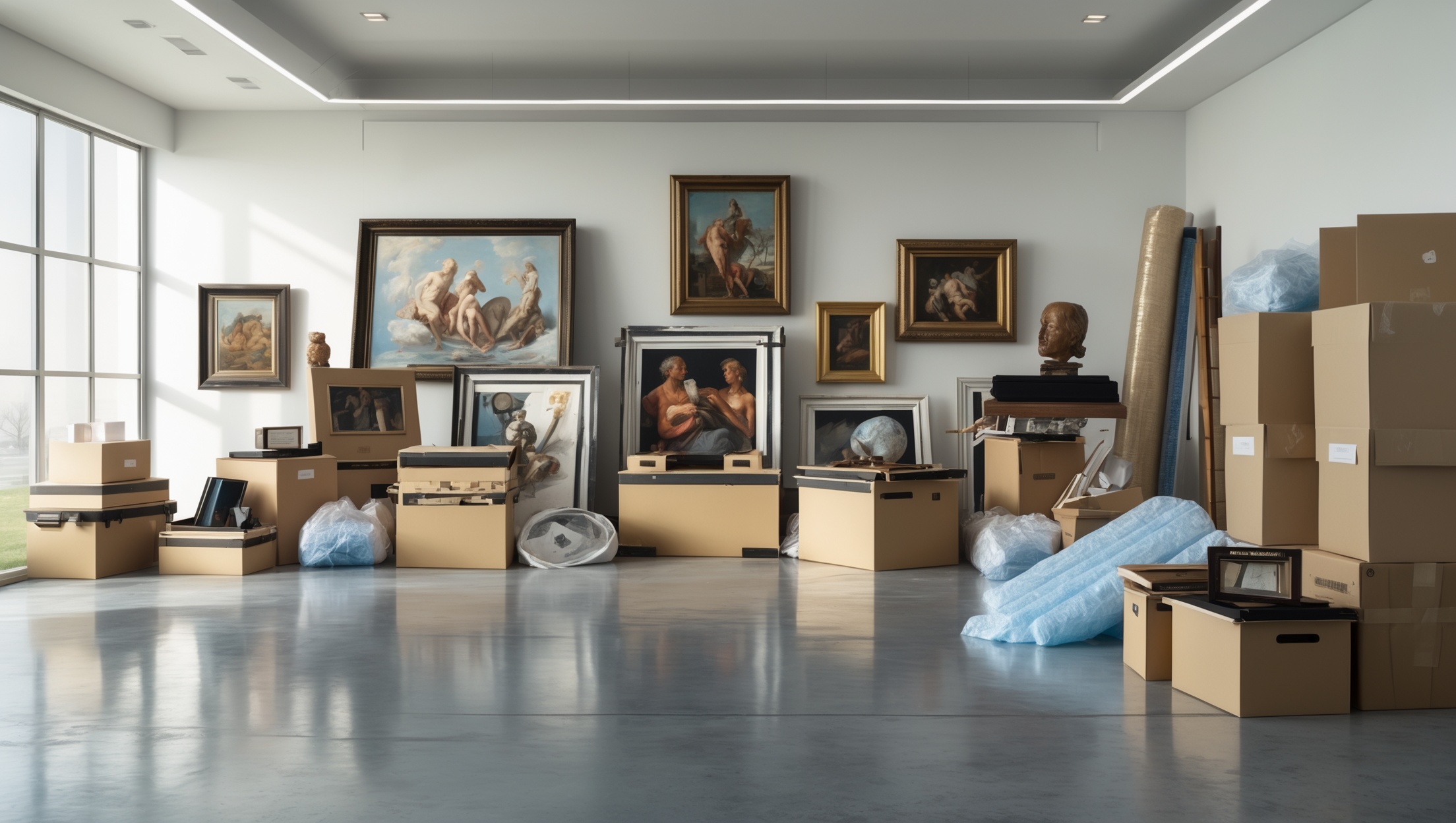
Professionals rely on materials designed to cushion and protect:
- Acid-free tissue paper for delicate surfaces.
- Glassine sheets to shield paintings from moisture and abrasion.
- Bubble wrap and foam padding for shock absorption.
- Corner protectors for frames and mirrors.
- Sturdy, double-walled boxes or custom wood crates for structural support.
- Moving blankets and stretch wrap to guard against surface scratches and vibration.
Custom Crating and Packing Techniques
For high-value or exceptionally fragile pieces, custom crates are a must. Here’s how to approach packing specific types of art and antiques:
- Paintings: Wrap in glassine, then add a layer of bubble wrap. Place in a fitted, padded box or crate. Never pack wet or recently restored paintings.
- Sculptures: Use foam padding to immobilize the piece inside a crate. Avoid direct contact between packing materials and vulnerable surfaces.
- Ceramics and Glass: Individually wrap each item in tissue and bubble wrap. Pack upright, not flat, with ample padding between pieces.
- Antique Furniture: Disassemble removable parts, wrap each component, and protect corners and feet with extra padding. Use moving blankets to prevent nicks and scuffs.
- Mirrors and Framed Art: Apply masking tape in an “X” on glass to minimize shattering risk. Use corner protectors and pack vertically in a fitted crate or mirror box.
Handling and Loading: Professional Techniques for Maximum Safety
Teamwork and Training
Never attempt to move heavy or awkward items alone. Professional art movers use teams trained in cooperative lifting, pivoting, and maneuvering through tight spaces. Always do a walkthrough to identify obstacles like stairs, narrow doorways, or uneven flooring.
Safe Loading Practices
- Load art and antiques last, so they’re first to be unloaded and spend the least time in transit.
- Secure crates and boxes upright against the walls of the moving truck, not stacked or placed under heavier items.
- Use straps and anchors to prevent shifting during transport.
- Control temperature and humidity in the vehicle throughout the journey.
Climate Control: Preserving Condition During Transit
Why Climate Matters
Artworks and antiques are sensitive to fluctuations in temperature and humidity. Wood can warp, canvas can slacken or tighten, and delicate finishes may crack or craze. Mold and mildew are also risks in humid conditions.
How to Achieve Proper Climate Control
- Use climate-controlled trucks or vans set to 65–75°F (18–24°C) with relative humidity between 45–55%.
- Minimize time spent in unconditioned environments. Pre-cool or pre-heat receiving spaces in advance.
- If temporary storage is needed, insist on climate-controlled, monitored facilities.
Insurance and Risk Management: Protecting Your Investment
Types of Coverage
Standard moving insurance rarely covers the true value of art and antiques. Secure specialized insurance, such as:
- All-risk fine art transit insurance, which protects against most forms of loss or damage.
- Valuation based on recent appraisals, not generic replacement cost.
Documenting for Claims
- Photograph and describe each piece before packing.
- Retain copies of all documentation, including appraisals, condition reports, and receipts for packing materials or professional services.
- Immediately inspect items upon arrival and document any discrepancies or damage before signing off with the mover.
Unpacking and Reinstallation: The Final Steps
Careful Unpacking
Reverse the packing process with the same level of care. Use gloves to avoid transferring oils to delicate surfaces. Remove outer packaging first and inspect for signs of stress or impact before unwrapping the item itself.
Setting Up in the New Space
- Allow items to acclimate for 24-48 hours before uncrating if moving between very different climates.
- Use professional installation for heavy, large, or valuable pieces, especially wall-mounted art and mirrors.
- Reconfirm inventory and update condition reports for each item after placement.
Expert Tips for Specific Challenges
- Large-Scale Art: Consider disassembly or consult with the artist or conservator for safe transport protocols.
- Inherited or Uncatalogued Items: Engage a specialist or appraiser to assess value and recommend handling procedures prior to moving.
- International Moves: Research customs regulations for cultural property and obtain necessary permits to avoid legal complications or delays.
- Emergency Planning: Have a backup plan for unexpected delays, route changes, or environmental hazards during transit.
Conclusion: Ensuring a Safe Journey for Your Treasured Art and Antiques
Moving art and antiques is a complex, high-stakes endeavor that demands careful planning, specialized materials, and professional expertise. By meticulously documenting your collection, selecting experienced art movers, employing custom packing and crating methods, and maintaining strict climate control, you dramatically reduce the risk of damage or loss. Insurance tailored to the actual value of your pieces provides essential peace of mind, while proper unpacking and reinstallation ensure your treasures are ready to be enjoyed in their new setting.
Remember: the effort and investment in protecting your art and antiques during a move are far outweighed by the cost—both emotional and financial—of damage to irreplaceable items. Consult with specialists at every stage, and don’t hesitate to ask questions or request references when choosing professional services. With the right approach, your valuable pieces will arrive safely, preserve their condition, and continue to enrich your life for years to come. Treat each step of the move as an act of stewardship, safeguarding history and beauty for generations ahead.
If I have a mix of oil paintings and porcelain pieces, do they need to be packed and transported separately because of their different sensitivities to temperature and handling, or can I use the same packing methods for both?
Oil paintings and porcelain pieces should be packed and transported separately. Oil paintings are sensitive to temperature, humidity, and pressure on their surfaces, requiring cushioning and protection from direct contact. Porcelain is fragile and needs secure, padded packing to prevent breakage. Using methods tailored to each material helps ensure both types of items remain safe during the move.
For the inventory and documentation part, what’s the best way to photograph artwork with glass or reflective surfaces so the images are clear for insurance purposes?
To photograph artwork behind glass or with reflective surfaces, use indirect natural light and avoid using flash, which can cause glare. Shoot from a slight angle if needed to reduce reflections, and consider placing a black cloth opposite the artwork to minimize unwanted reflections. Make sure the artwork fills the frame and that any labels or identifying marks are also clearly photographed.
Could you explain more about what kind of environmental changes I should be most worried about when moving oil paintings, and how to manage those during transport?
When moving oil paintings, the biggest environmental concerns are extreme temperature shifts, high humidity, and direct sunlight. These can cause cracking, warping, or mold. To manage these risks, keep paintings in climate-controlled vehicles, avoid leaving them in hot or damp areas, and wrap them in breathable materials to prevent condensation. Handle with clean gloves and avoid touching the painted surface.
If I’m not sure about the value or provenance of some inherited antiques, should I get them appraised before the move, and about how much does that typically cost?
Yes, it’s a good idea to have your inherited antiques appraised before the move. This helps determine their value for insurance and proper handling. Appraisal costs can range from $100 to $500 per item, depending on the expert and the complexity of the piece. Some appraisers also offer hourly rates if you have several items.
If I have some delicate family heirlooms made of glass and porcelain, what specific packing materials do professionals recommend to prevent damage, especially for a cross-country move?
For delicate glass and porcelain heirlooms, professionals usually recommend acid-free tissue paper, bubble wrap, and sturdy double-walled boxes. Wrap each item individually with tissue and bubble wrap, secure with tape, and cushion them in the box using foam or packing peanuts. Fill any empty spaces to prevent movement during transit.
If I already have appraisals for my art and antiques but they are a few years old, do most insurance companies require updated valuations before covering a move, or is the original paperwork usually sufficient?
Most insurance companies prefer recent appraisals to ensure coverage reflects the current value of your art and antiques, especially before a move. While some may accept older appraisals, it’s common for them to request updated valuations if the documents are several years old. It’s best to check with your insurer to confirm their specific requirements.