

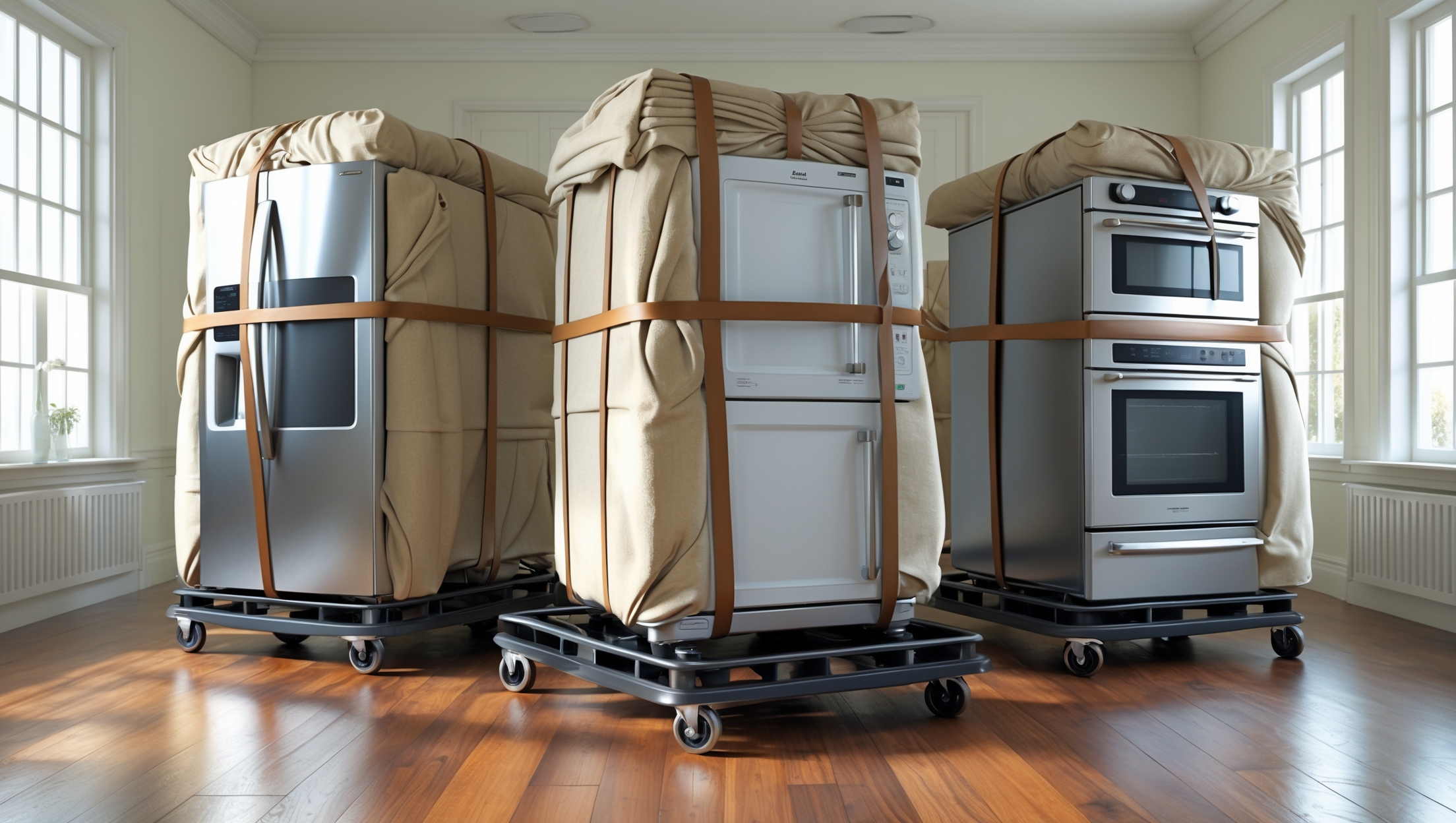
Introduction: Why Appliance Preparation Matters When Moving
Moving to a new home is a major project, and while boxes of books or clothes are straightforward to pack, large household appliances present unique challenges. From refrigerators to washing machines, each appliance requires careful preparation to prevent damage, avoid leaks, and ensure safe transport. Many moving disasters stem from improper handling or neglecting crucial steps, leading to costly repairs, voided warranties, or even hazardous situations on the road. Whether you’re tackling the move yourself or hiring professionals, understanding the right way to prep your appliances is critical for a smooth, safe relocation. This guide draws on expert insights and real-world moving experience to walk you through every step of the appliance moving process—covering everything from disconnecting water lines to securing delicate parts. With the right methods and precautions, your appliances can arrive at your new home in perfect working order, ready for immediate use.
Appliance Moving Essentials: What You Need to Know First
Identify Which Appliances Are Moving
Start by making a list of all appliances you plan to move. Common items include:
- Refrigerators and freezers
- Washing machines and dryers
- Dishwashers
- Ovens and ranges (gas or electric)
- Microwaves
- Small appliances (handled separately, but often overlooked)
Check your new home’s appliance situation. If appliances are included, you may not need to bring yours. Some built-ins may require special handling or professional disconnection.
Review Manufacturer Guidelines
Always consult the user manual for each appliance or check the manufacturer’s website for specific moving instructions. This helps you avoid actions that could void warranties or damage sensitive components.
Gather Necessary Tools and Supplies
- Appliance dollies with straps
- Moving blankets and padding
- Wrenches and screwdrivers (for disconnection)
- Plastic zip bags for screws and small parts
- Rope, bungee cords, or tie-down straps
- Floor and wall protectors (e.g., sliders, cardboard)
- Cleaning supplies (for prepping appliances)
Step-by-Step Preparation for Major Appliances
1. Refrigerators and Freezers
- Empty and Defrost: Unplug at least 24 hours before moving. Remove all food and shelves. Leave doors open for air circulation and allow ice to melt.
- Clean and Dry: Wipe down all surfaces (inside and out) to prevent mold or odors.
- Secure Shelves and Doors: Remove or tape down shelves and drawers. Use bungee cords or moving straps to keep doors shut during transit.
- Disconnect Water Line: If your fridge has an ice maker or water dispenser, turn off the water supply, disconnect the line, and drain excess water. Cap the valve to prevent leaks.
- Move Upright: Always keep fridges upright. Tilting can damage the compressor and cause refrigerant leaks. If unavoidable, keep it tilted for as short a time as possible.
2. Washing Machines
- Run a Cleaning Cycle: Use a washing machine cleaner to remove residue and moisture a day or two before moving.
- Unplug and Disconnect: Unplug the power cord. Turn off water supply valves, then disconnect hoses from the back (have towels ready for drips). Drain any remaining water from hoses and the pump (check the manual for instructions).
- Secure Drum: Use manufacturer-provided shipping bolts to immobilize the drum. If you lost them, order replacements or contact a service professional. Moving without securing the drum can permanently damage the machine.
- Dry and Pack Hoses: Place hoses, nuts, and bolts in a labeled zip bag taped to the machine.
- Protect Cords and Controls: Tape the power cord to the back and cover control panels with bubble wrap or padding.
3. Dryers
- Unplug and Disconnect: For electric dryers, unplug. For gas dryers, shut off the gas, disconnect the line (use two wrenches), and cap the pipe. If unsure, contact a licensed technician for gas handling.
- Clean Lint Trap and Drum: Remove lint and wipe down the drum interior.
- Detach Vent Hose: Remove the vent hose from the back and clean out any lint or debris.
- Bundle and Tape Cords: Secure cords and hoses to the unit with tape or twist ties.
4. Dishwashers
- Run a Cleaning Cycle: Clean the interior and let it dry thoroughly to prevent mold.
- Unplug and Disconnect: Turn off and disconnect the power. Shut off and disconnect the water supply line (have towels ready). Drain any excess water.
- Secure Racks and Parts: Remove or tape racks, utensil baskets, and loose parts inside the unit.
- Protect Hoses: Place hoses in a plastic bag and secure to the dishwasher.
5. Ovens and Ranges
- Unplug or Disconnect: For electric units, unplug. For gas, ensure the gas valve is off and disconnect the line (consult a professional if needed).
- Remove Racks and Accessories: Take out racks, trays, and any detachable burners or knobs. Pack separately or secure inside with padding.
- Clean Thoroughly: Remove grease and debris from inside and outside. This prevents messes and odors during transit.
- Secure Doors: Use strong tape or moving straps to keep oven doors closed.
6. Microwaves
- Unplug and Clean: Remove all loose items, including turntables and racks. Clean thoroughly.
- Pack Accessories: Wrap and box the glass turntable and other parts separately.
- Secure the Door: Tape the door shut, but avoid taping directly onto painted surfaces.
Expert Tips for Damage Prevention and Safety
Timing and Scheduling
Begin appliance preparation at least 48 hours before your moving date. This allows time for defrosting, drying, and securing parts. Last-minute rushes increase the risk of missed steps and accidents.
Label Everything
Use clear, waterproof labels for hoses, bolts, and other small parts. Place them in bags and attach to the corresponding appliance or keep in a dedicated box labeled “Appliance Parts.” This prevents confusion and frustration during setup at your new home.
Protect Floors and Doorways
Appliance moving can scratch floors and ding walls. Use sliders, plywood sheets, or thick cardboard to create a path. Wrap appliances in moving blankets to cushion bumps and protect paint or finishes.
Use Proper Lifting Techniques
Always use an appliance dolly with straps. Enlist help—never try to move heavy appliances alone. Lift with your legs, not your back, and keep loads balanced and stable. For stairs or tight spaces, plan your route in advance.
Special Considerations for Built-In and Gas Appliances
Professional Disconnection
Built-in appliances (e.g., wall ovens, built-in dishwashers) or gas connections should be disconnected by licensed professionals. DIY attempts can lead to gas leaks, water damage, or electrical hazards. Schedule disconnection ahead of your move to avoid delays.
Permits and Compliance
Some municipalities require permits for disconnecting or reconnecting certain appliances, especially gas lines. Check local regulations to ensure compliance and avoid penalties or insurance issues.
Appliance Storage: What If Your Move Is Delayed?
If your appliances need to be stored before reaching your new home, follow these extra steps:
- Keep Doors Ajar: For fridges, freezers, and washers, leave doors slightly open to prevent mold and mildew buildup.
- Climate Control: Store appliances in a climate-controlled facility if possible to prevent condensation, rust, or freezing damage.
- Cover and Elevate: Use moving blankets or plastic covers and place appliances on pallets to avoid moisture from the floor.
Setting Up Appliances at Your New Home: Quick Start Checklist
- Inspect for Damage: Check each appliance for dings, dents, or loose parts before installation. Report damage immediately if using movers and document with photos.
- Reinstall Shipping Bolts: Remove any shipping bolts or packing materials before running appliances.
- Reconnect Carefully: Follow the manufacturer’s instructions for reconnecting water, gas, or electrical lines. For gas or built-in electric appliances, hire a licensed technician.
- Test and Clean: Run a test cycle before loading food or laundry. Clean surfaces again to remove dust or debris from the move.
- Register Your Appliances: If you haven’t already, register your appliances at your new address to maintain warranty coverage.
Frequently Asked Questions About Moving Appliances
- Can I move my refrigerator on its side?
It’s strongly discouraged. If you must, keep it on its side for the shortest time possible and let it stand upright for at least 24 hours before plugging it in to allow refrigerant to settle. - Do I need professional movers for appliances?
While DIY is possible for many appliances, large or built-in units, gas appliances, or moves involving stairs may require professional help for safety and insurance reasons. - How do I prevent mold in stored appliances?
Thoroughly dry all interiors and leave doors slightly open during storage. Use baking soda inside fridges and washers to absorb moisture and odors.
Conclusion: Move Your Appliances with Confidence
Appliances are significant investments, and their safe relocation requires more than muscle—it demands careful planning, the right tools, and attention to detail. By following expert-approved preparation steps, you protect your appliances from damage, avoid costly repairs, and sidestep hazards that can arise during transit. Remember, each type of appliance has unique needs, and cutting corners can jeopardize functionality or safety. Take time to review manufacturer guidelines, gather necessary supplies, and enlist professional help when required—especially for gas or built-in units. Planning ahead not only safeguards your valuable equipment but also ensures your new home is ready for immediate, seamless setup. With these comprehensive strategies and checklists, you can approach moving day with confidence, knowing your appliances will arrive safe, clean, and ready to serve in your next chapter. Prioritize safety, stay organized, and enjoy a smoother, stress-free move.
If the appliance manuals are missing, what’s the safest way to figure out proper moving procedures, especially for built-in models or those with complex connections?
If you don’t have the manuals, it’s best to search for your appliance model online—manufacturers often have manuals or guides on their websites. For built-in or complex appliances, consider photographing all connections before disconnecting anything. If you’re unsure, contacting a professional technician is the safest approach to avoid damage or hazards.
Can you clarify what to do if I no longer have the original user manuals for my appliances? Is there a reliable way to find safe moving instructions without voiding my warranty?
If you’ve lost your original user manuals, you can usually find PDF versions on the manufacturer’s website by searching for your appliance’s model number. These digital manuals often include safe moving instructions. Following the manufacturer’s official guidance will help protect your appliance and avoid voiding the warranty.
When disconnecting a washing machine for moving, is there a specific way I should secure the hoses and cords to prevent leaks or damage during transport?
Yes, after disconnecting your washing machine, drain any remaining water from the hoses, then carefully coil them and secure them to the machine with tape or zip ties. Do the same with the power cord. This prevents tripping hazards and keeps hoses from leaking or getting damaged during the move.
You mentioned checking if appliances are included in the new place before moving mine. What’s the best way to handle built-in appliances that might need professional disconnection?
For built-in appliances, it’s best to contact a licensed technician or your appliance’s manufacturer for proper disconnection. Many built-in units, like ovens or dishwashers, are hardwired or plumbed, so a professional ensures everything is safely disconnected and avoids damage or warranty issues during your move.
Do you have any recommendations for moving appliances like washers or fridges if the original user manuals are missing? Are there general guidelines that are safe to follow in the absence of manufacturer instructions?
Absolutely—when user manuals are missing, you can still prepare washers and fridges safely. Unplug and clean appliances thoroughly. For fridges, defrost at least 24 hours before moving. Secure loose parts with tape, and use appliance dollies for transport. Always keep machines upright and avoid tilting to protect internal components.
You mentioned checking manufacturer instructions to avoid voiding warranties—are there any specific examples where missing a step has caused warranty issues during a move?
Yes, skipping steps like not securing a washing machine’s drum or failing to properly disconnect a refrigerator’s water line can result in internal damage. Manufacturers may deny warranty claims if the appliance wasn’t moved according to their guidelines, especially if transport bolts or protective packaging weren’t used as instructed.
If my fridge has a water line connected for the ice maker, do I need a plumber to disconnect it safely, or can I handle it myself using basic tools like you mention?
You can usually disconnect the fridge water line yourself with basic tools like an adjustable wrench. Just be sure to turn off the water supply first and have a towel ready for any drips. If you’re unsure or notice any corrosion or damage, consider calling a plumber for safety.
You mentioned checking manufacturer guidelines before moving appliances. If I’ve lost the user manual for my fridge, is there a general checklist I can follow to avoid damaging it or voiding the warranty?
If you don’t have the fridge manual, you can still follow a general checklist: unplug and defrost it at least 24 hours before moving, remove all contents, clean and dry the interior, secure shelves and doors, and keep the unit upright during transport. If possible, check the manufacturer’s website for specific instructions to avoid any warranty issues.
When preparing appliances for a DIY move, how far in advance should I start the process, especially for something like defrosting a freezer or disconnecting a washing machine?
For a DIY move, it’s best to start preparing large appliances about a week ahead. Specifically, you should unplug and defrost your freezer or refrigerator at least 24-48 hours before moving day to allow time for thawing and drying. For washing machines, disconnect and drain hoses a day or two before the move to let all moisture escape and prevent leaks.
Is there a good way to keep track of all the screws and small parts when taking appliances apart, so I don’t lose anything during the move?
A practical way to keep track of screws and small parts is to place them in small, labeled plastic bags as you disassemble each appliance. Tape the bag directly to the appliance or keep all bags in a dedicated box. That way, nothing gets lost and reassembly is much easier.