

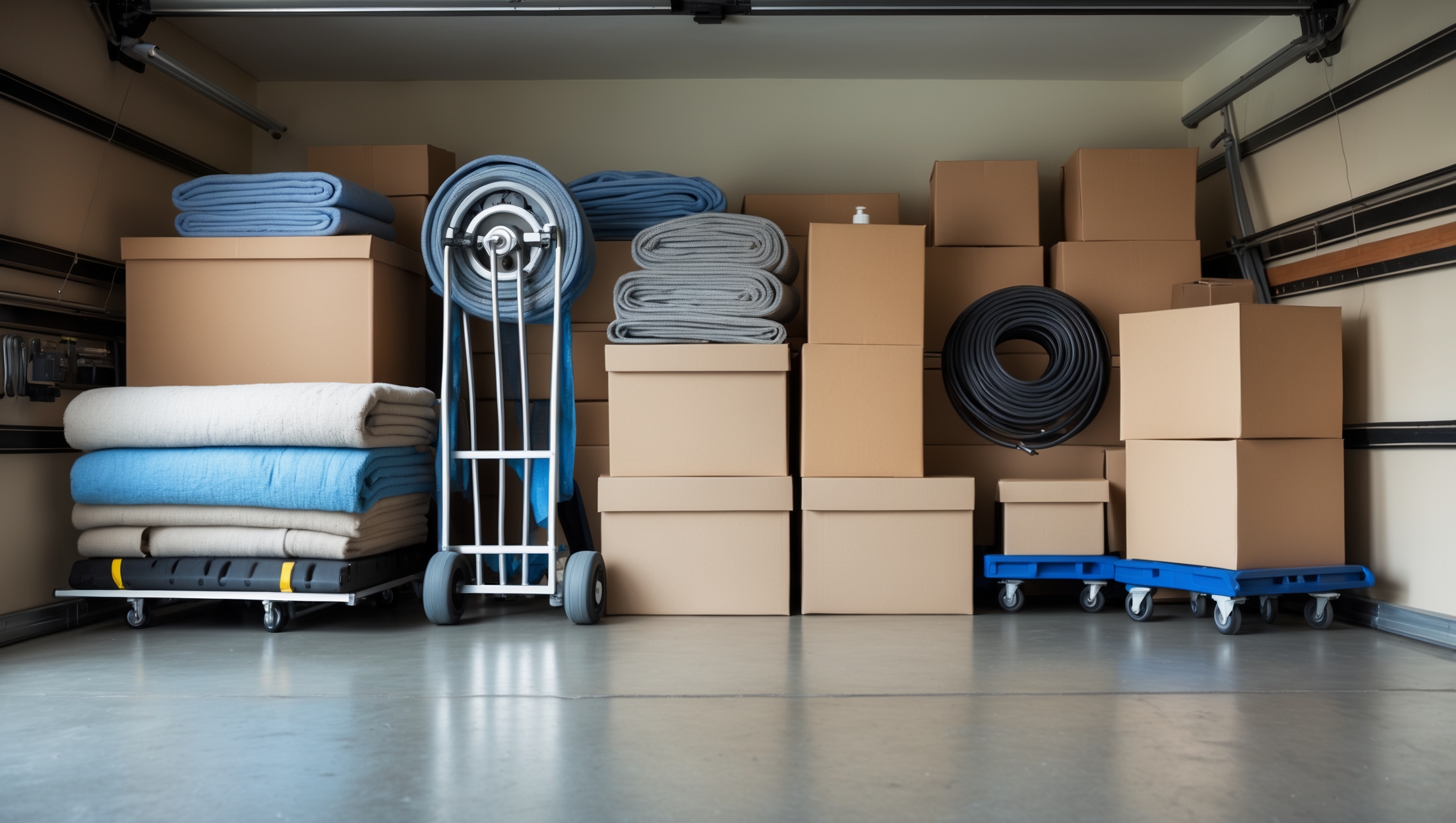
Introduction: Why the Right Tools & Equipment Make All the Difference
Every move is a challenge, no matter how many times you’ve done it. Whether you’re relocating across town or across the country, having the right moving tools and equipment can be the difference between a smooth transition and a stressful ordeal. Expert movers know that preparation isn’t just about boxes and tape—it’s about using specialized gear to protect your belongings, your home, and yourself. This comprehensive guide breaks down every essential tool and piece of moving equipment you’ll need, when to buy versus rent, and how to use each item for optimal efficiency and safety. By the end, you’ll be equipped (literally and figuratively) to tackle your move like a pro, avoiding common pitfalls such as personal injury, property damage, and wasted time.
Must-Have Moving Tools: The Foundation of a Safe Move
1. Hand Trucks & Dollies
Hand trucks (upright with two wheels) and dollies (flat with four wheels) are the workhorses of any move. They allow you to move heavy boxes, appliances, and furniture with minimal strain and risk to your back or floors.
- When to Use: Moving stacked boxes, appliances, large furniture.
- Expert Tip: Always strap items securely to the hand truck; use appliance dollies with built-in straps for refrigerators and washers.
- Buy, Rent, or Borrow? Rent for one-time moves; buy if you move frequently or have a large household.
2. Moving Blankets & Pads
Moving blankets and pads protect furniture, appliances, and even walls from scratches, dents, and dirt. They’re essential for wrapping large items and for padding tight corners during navigation.
- When to Use: Covering wood furniture, electronics, glass items, and appliances.
- Expert Tip: Secure blankets with stretch wrap or rubber bands to prevent slipping.
- Buy, Rent, or Borrow? Rent for most moves; buy a few to keep for future use or for storage protection.
3. Furniture Sliders
Furniture sliders are placed under the legs or corners of heavy items to help you glide them across floors without lifting or causing damage.
- When to Use: Moving sofas, dressers, beds, and tables across hardwood, tile, or carpet.
- Expert Tip: Use carpet-specific sliders for carpeted rooms and hard surface sliders for wood or tile.
- Buy, Rent, or Borrow? Inexpensive to buy; reusable for rearranging furniture after the move.
4. Lifting Straps & Forearm Forklifts
Lifting straps distribute weight and leverage, allowing two people to carry heavy or bulky items with less risk of injury.
- When to Use: Heavy furniture, mattresses, washers/dryers.
- Expert Tip: Practice the lifting technique before attempting stairs or tight spaces; always lift with your legs.
- Buy, Rent, or Borrow? Affordable to buy; great for moves and in-home rearranging.
5. Tool Kit: Your On-the-Spot Problem Solver
A basic tool kit should include screwdrivers, a drill, pliers, a wrench, hammer, measuring tape, Allen keys, and utility knife. You’ll need these for disassembling furniture, removing doors, or fixing last-minute issues.
- When to Use: Disassembling beds, removing doors, detaching mirrors, or securing loose parts.
- Expert Tip: Keep a small parts bag (zip bag or container) for hardware, and label it by furniture piece.
- Buy, Rent, or Borrow? Buy; a quality toolkit will serve you beyond the move.
Specialty Equipment: Pro Tools for Challenging Moves
1. Appliance Dollies
Unlike standard hand trucks, appliance dollies have straps and stair climbers for secure, controlled movement of refrigerators, washing machines, and other heavy appliances.
- When to Use: Large, heavy, or unwieldy appliances, especially when navigating stairs.
- Expert Tip: Always keep the appliance upright (especially refrigerators) and use the straps to prevent tipping.
- Buy, Rent, or Borrow? Rent; these are heavy-duty and rarely needed except for moves.
2. Piano Boards & Skids
Pianos require special handling. Piano boards and skids provide a stable base and secure strapping for transport, minimizing risk to both the instrument and movers.
- When to Use: Upright or grand pianos, especially on stairs or uneven surfaces.
- Expert Tip: Always use at least three people; consider professional movers for valuable items.
- Buy, Rent, or Borrow? Rent or hire professionals; these are specialized tools.
3. Door & Floor Protection Gear
Door jamb protectors, floor runners, and corner guards prevent costly scratches and dings to your home during the move.
- When to Use: Any time you’re moving large or sharp-edged items through tight spaces.
- Expert Tip: Lay down runners before moving begins and secure with non-slip tape.
- Buy, Rent, or Borrow? Rent for large moves; buy reusable runners for long-term use.
Consumables & Supplies: Don’t Skimp Here
1. Packing Tape & Dispensers
High-quality packing tape ensures boxes stay sealed and secure. Dispensers speed up the process and reduce frustration and waste.
- When to Use: Sealing boxes, securing moving blankets, reinforcing weak spots.
- Expert Tip: Buy more tape than you think you’ll need; it goes fast.
- Buy, Rent, or Borrow? Buy; this is a consumable staple.
2. Stretch Wrap
Stretch wrap secures moving blankets, keeps dresser drawers closed, and bundles awkward items together. It’s a must for protecting furniture finishes and preventing shifting in transit.
- When to Use: Wrapping furniture, securing bundles, protecting against dust and scratches.
- Expert Tip: Use wide rolls for large items and mini-rolls for smaller bundles.
- Buy, Rent, or Borrow? Buy; inexpensive and indispensable.
3. Bubble Wrap & Packing Paper
Essential for protecting fragile items and filling empty spaces in boxes.
- When to Use: Dishes, glassware, electronics, collectibles.
- Expert Tip: Never use newspaper for valuables; ink can transfer.
- Buy, Rent, or Borrow? Buy; stock up early.
4. Moving Boxes: Sizes, Types, and Quality
Choose sturdy, double-walled boxes in various sizes. Specialty boxes (wardrobe, dish, mirror) prevent damage and make unpacking easier.
- When to Use: For all belongings; use small boxes for heavy items, large for lightweight.
- Expert Tip: Avoid overpacking; a 50-pound limit per box prevents failures and injuries.
- Buy, Rent, or Borrow? Buy or collect; never use damaged or weak boxes for valuables.
5. Labels & Markers
Clear, waterproof labels and bold markers streamline unpacking and reduce the risk of lost or misplaced items.
- When to Use: Every box, bag, and furniture part.
- Expert Tip: Use color-coded tape or stickers for each room.
- Buy, Rent, or Borrow? Buy; a small investment for a huge organizational payoff.
Safety Equipment: Protecting Yourself and Your Team
1. Work Gloves
Heavy-duty work gloves protect hands from cuts, scrapes, and splinters while improving grip on slick surfaces.
- When to Use: Handling furniture, boxes, tools, and during loading/unloading.
- Expert Tip: Choose gloves with reinforced palms and breathable material.
- Buy, Rent, or Borrow? Buy; essential for every move.
2. Back Support Belts
Back braces help maintain proper form during heavy lifting, reducing risk of strain or injury.
- When to Use: Any heavy lifting, especially for those prone to back problems.
- Expert Tip: Don’t rely solely on the belt—always use safe lifting techniques.
- Buy, Rent, or Borrow? Buy if you anticipate frequent heavy lifting.
3. First Aid Kit
Accidents can happen. A well-stocked first aid kit should be on hand at all times during your move.
- When to Use: Cuts, scrapes, minor injuries.
- Expert Tip: Include instant cold packs and bandages in various sizes.
- Buy, Rent, or Borrow? Buy for ongoing peace of mind.
Pro Tips for Tool & Equipment Logistics
1. Buy, Rent, or Borrow? How to Decide
For one-time moves, renting large or specialty equipment (dollies, appliance carts, runners) is most cost-effective. Smaller tools (tool kit, gloves, labels) are worth buying for future use. Borrow from friends or neighbors if you’re on a tight budget, but inspect borrowed items for wear or damage before use.
2. Where to Source Moving Equipment
- Rental Stores: Home improvement centers and moving supply companies rent most major equipment.
- Online Marketplaces: Look for gently used tools and supplies for sale locally.
- Professional Movers: Some moving companies rent equipment separately or as part of a moving package.
3. Scheduling Equipment Pickup and Return
Reserve rental equipment early—especially during peak moving seasons. Schedule pickup a day before your move and return promptly to avoid late fees. Clean and inspect all items before returning to avoid surcharges.
4. Pre-Move Equipment Checklist
- Hand truck or dolly
- Moving blankets and pads
- Furniture sliders
- Tool kit
- Packing tape and dispensers
- Stretch wrap
- Labels and markers
- Work gloves
- First aid kit
- Specialty equipment as needed (appliance dolly, piano board, etc.)
How to Use Moving Equipment Safely and Efficiently
1. Training and Practice
Before moving day, familiarize yourself with each tool. Watch online tutorials or ask rental staff for demonstrations. Practice maneuvering loaded dollies and using lifting straps—especially on stairs or in tight spaces.
2. Team Communication
Assign roles and review safe lifting techniques with your team. Use spotters when moving bulky items and communicate clearly to prevent accidents. Take regular breaks to avoid fatigue-related injuries.
3. Home Preparation
- Clear pathways and remove rugs or obstacles.
- Install door and floor protection before moving begins.
- Label rooms and doors to speed up unloading and placement.
Expert Advice: Beyond the Basics
1. Don’t Overlook Small Tools and Accessories
Measuring tapes, zip ties, scissors, and box cutters may seem minor, but they’re lifesavers for quick fixes and adjustments. Always keep these handy along with your main tool kit.
2. Plan for the Unforeseen
Have extra moving blankets, tape, and tools on standby for last-minute surprises. Keep basic tools and gloves accessible in your car—not packed away—so you can handle emergencies at both ends of the move.
3. Maintain Your Equipment
Return rented items clean and in good condition. For purchased tools, wipe down and store in a dry, accessible spot for future projects or moves. Regular maintenance extends the life and safety of your gear.
Conclusion: Equip Yourself for a Stress-Free Move
Investing in the right moving tools and equipment isn’t a luxury—it’s a necessity for anyone who values their belongings, their home, and their well-being. From basic hand trucks and moving blankets to specialty gear for appliances and pianos, each item on this list is chosen by professional movers for good reason. The right tools prevent injuries, speed up the process, and minimize stress for everyone involved. By knowing what to buy, rent, or borrow, and understanding how to use each piece of equipment, you’ll set yourself up for a smooth, safe, and efficient relocation. Don’t leave your move to chance—equip yourself like a pro, and you’ll be surprised at how much easier (and more enjoyable) moving can be. Remember, preparation is power: take the time to gather your gear, train your team, and plan every step. Your back, your belongings, and your future self will thank you.