

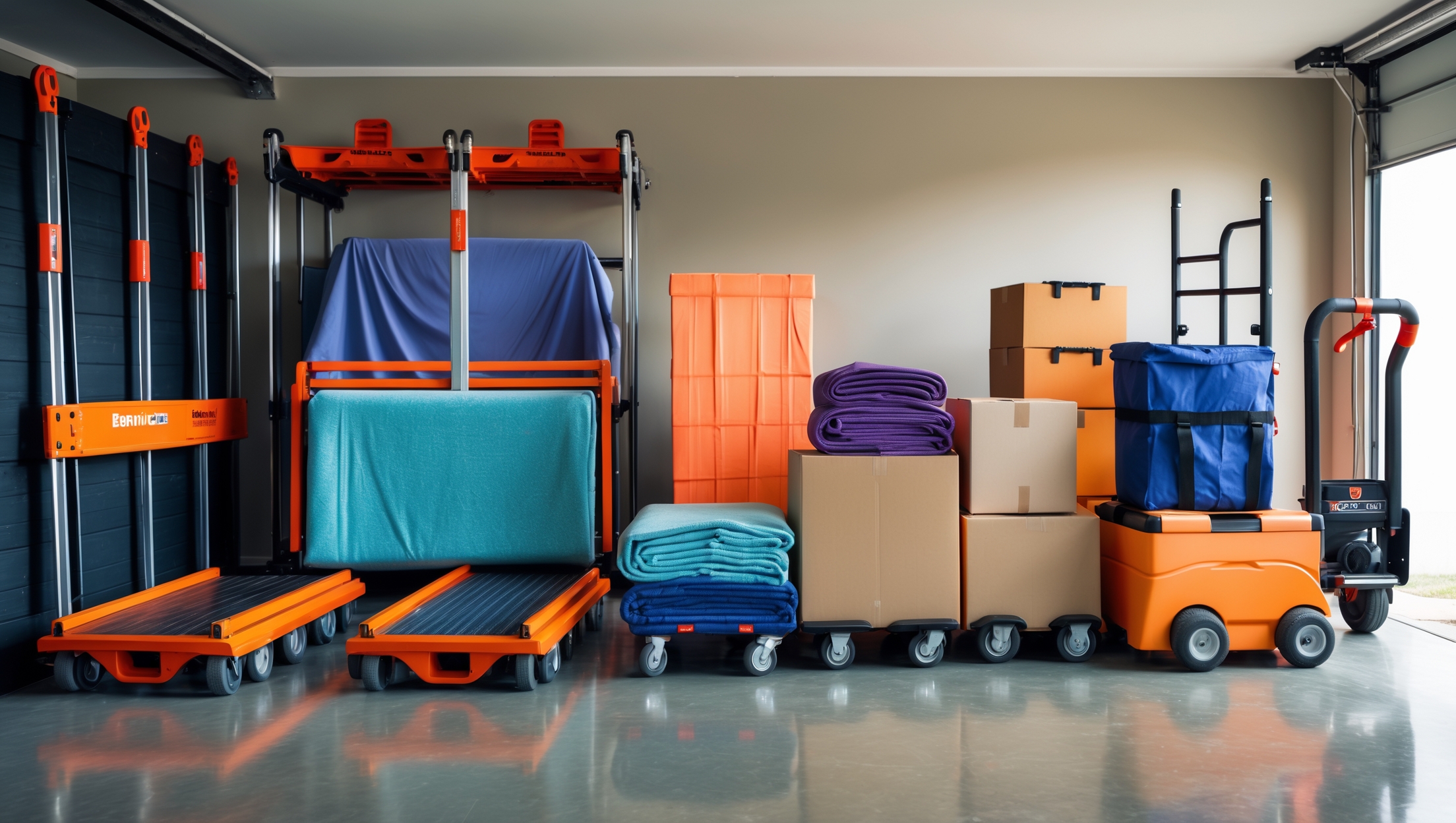
Introduction: Why the Right Tools Make All the Difference
Moving is more than just packing boxes and loading a truck—it’s a logistical challenge that rewards preparation and the right equipment. Whether you’re a first-timer or a seasoned mover, the difference between a chaotic, injury-prone day and a streamlined, damage-free relocation often comes down to one critical factor: the tools and equipment you use. Professional movers rely on a specialized arsenal to protect belongings, prevent injury, and maximize efficiency. But which tools truly matter? Which are worth renting or investing in, and how do you use them effectively? In this comprehensive guide, we’ll break down the essential moving tools and equipment, from foundational gear to pro-level accessories, and explain how to use each for optimal results. You’ll learn not only what to gather, but also when and how to use each item, how to organize your tool kit, and how to avoid common pitfalls. Whether you’re moving a studio apartment or an entire household, these expert insights will empower you to move like a pro.
Core Moving Tools: The Must-Haves for Every Move
Hand Trucks and Dollies
Hand trucks and dollies are the backbone of any efficient move. They drastically reduce physical strain, speed up the process, and protect both your belongings and your back.
- Standard Hand Truck: Ideal for boxes, appliances, and stacked items. Look for one rated for at least 600 lbs with pneumatic tires for smoother movement.
- Appliance Dolly: Features straps and a wider base to secure heavy appliances like refrigerators and washing machines. Essential for large, heavy items.
- Four-Wheel Dolly: Flat platform with four swivel wheels—perfect for moving furniture, stacks of boxes, and awkwardly shaped items.
Pro Tip: Always tilt the hand truck back before moving, and secure items with straps to prevent shifting.
Moving Blankets and Pads
Protecting your furniture and delicate items from scratches, dents, and dust is non-negotiable. Professional-grade moving blankets and pads are thick, quilted, and reusable.
- Rent or purchase at least 10-20 blankets for a typical household move.
- Use pads to wrap furniture, appliances, mirrors, and artwork.
- Secure with stretch wrap or moving bands (never tape directly onto the blanket).
Furniture Sliders and Glides
Furniture sliders make moving heavy pieces across floors effortless and prevent damage to both flooring and furniture legs.
- Choose sliders designed for your floor type—carpet or hard surfaces.
- Available in plastic, felt, or rubber; reusable and come in various sizes.
- Place sliders under each furniture leg before pushing or pulling.
Straps, Ropes, and Tie-Downs
Securing items during transit is essential for safety and protection. Use a combination of:
- Ratchet Straps: For heavy loads and appliances. Provide superior holding strength.
- Rope or Bungee Cords: For lighter or awkwardly shaped items.
- Moving Bands: Elastic bands designed to hold blankets and pads in place.
Basic Hand Tools
Disassembly and reassembly are often required for beds, tables, and modular furniture. Assemble a toolkit with:
- Screwdrivers (flathead and Phillips)
- Allen wrenches (hex keys)
- Adjustable wrench
- Pliers
- Hammer
- Utility knife (for opening boxes and cutting tape)
- Measuring tape
Label each tool and keep them in a portable tool bag for quick access.
Advanced Equipment: Pro-Level Moving Gear
Forearm Forklifts and Lifting Straps
Lifting straps distribute weight evenly and allow two people to move heavy or bulky items with less strain.
- Adjustable for different heights and item sizes.
- Great for moving mattresses, sofas, and large boxes through narrow spaces.
- Always practice good lifting technique—bend at the knees, not the waist.
Stair Rollers and Climbing Dollies
Moving up or down stairs is notoriously tricky. Stair rollers and stair-climbing dollies save time and reduce risk:
- Feature rotating wheels or tracks to glide over steps with heavy items.
- Ideal for city apartments, multistory homes, and basement moves.
- Requires practice—test with lighter items first.
Doorway and Floor Protection
Prevent damage to your new or old home with:
- Door jamb protectors: Foam or plastic shields that prevent dings and scratches.
- Floor runners: Heavy-duty mats or adhesive sheets to prevent dirt, scratches, and spills on floors.
- Corner guards: Protect wall edges from bumps and scrapes.
Tool Organization Systems
Professional movers don’t waste time searching for equipment. Organize your tools in:
- Rolling toolboxes or buckets with compartments for small parts.
- Label everything clearly (color-coded tape works well for quick identification).
- Keep a checklist of all borrowed or rented items to ensure nothing is left behind.
Specialty Moving Tools for Unique Challenges
Mattress Bags and Covers
Mattresses are difficult to move cleanly. Use heavy-duty, waterproof bags to protect against dirt, moisture, and tearing. Most models have built-in handles for easy carrying.
Piano Skids and Safe Moving Boards
For high-value, heavy items like pianos or safes, specialized skids and reinforced boards are essential. Never attempt these moves without the right tools or professional help.
Panel Carts
Perfect for flat, heavy items such as glass tabletops, mirrors, or large artwork. Panel carts hold items upright and reduce the risk of breakage.
Box Lifters and Powered Stair Climbers
For commercial moves or homes with many stairs, consider renting a powered stair climber—these mechanized carts lift loads up and down stairs with minimal physical effort.
Labeling Tools and Inventory Apps
Stay organized and prevent lost items by using:
- Permanent markers or color-coded labels for boxes.
- Inventory apps to track items, assign box numbers, and record contents.
Choosing Between Buying, Renting, or Borrowing
Not all moves require you to buy every tool. Here’s how to decide:
- Buy: For frequently used items (hand tools, moving blankets, sliders), investing pays off in multiple moves or if you plan to help others.
- Rent: For large, expensive, or specialized equipment (appliance dollies, powered stair climbers), renting is cost-effective and ensures professional quality.
- Borrow: Friends or neighbors may have tools you can use for free, but always inspect for safety and functionality before your move.
Pro Tip: Many truck rental companies offer discounted rates on moving equipment when bundled with a vehicle rental.
Expert Tips for Using Moving Tools Safely and Efficiently
Plan Your Moving Day Workflow
Lay out your tools and equipment the night before. Assign roles: someone to operate the hand truck, another to manage blankets and pads, another to label and inventory. This minimizes confusion and maximizes productivity.
Proper Lifting Techniques
- Always lift with your legs, not your back.
- Keep the load close to your body.
- Use straps and dollies for heavy or bulky items.
- Don’t overload your tools—respect weight limits to prevent equipment failure.
Protecting Your Home and Belongings
- Lay down floor runners before moving large furniture.
- Use corner guards in tight hallways and entryways.
- Wrap all furniture and delicate items with blankets and secure with bands—not tape, which can leave residue.
Storing and Transporting Tools
- Pack your tool kit last (so it’s first off the truck at your new home).
- Keep small parts (screws, bolts) in labeled bags taped to the corresponding furniture piece.
- Return all rented equipment promptly to avoid late fees.
Cleaning, Maintenance, and Post-Move Storage
After your move, take a few minutes to clean and inspect all equipment:
- Wipe down hand trucks, dollies, and sliders to remove dirt and debris.
- Check for damage or wear—replace worn straps, repair minor dings or scratches.
- Launder moving blankets and pads for future use.
- Store small tools in a dedicated bin and label for easy access next time.
Proper maintenance extends the life of your equipment and ensures a smooth move in the future.
Conclusion: Move Like a Pro With the Right Equipment
Every successful move is powered by preparation and the right set of tools. From the humble hand truck to advanced stair-climbing dollies, each piece of equipment serves a specific purpose—protecting your belongings, preventing injuries, and streamlining each step of the process. While it may be tempting to improvise, investing in or renting professional-grade gear pays dividends in efficiency, safety, and peace of mind. By following this guide, you’ll know exactly what to gather, how to use it, and how to keep everything organized and in top condition. Remember, the best moving experiences aren’t just about brute force—they’re about working smarter, not harder. Whether you’re tackling a cross-town apartment transfer or a full-house relocation, approach it with the toolkit of a pro, and you’ll set yourself up for a seamless, stress-free transition. Equip yourself wisely, and your move will be smoother, faster, and far less stressful—guaranteed.
Does renting an appliance dolly usually come with the straps included, or do I need to rent those separately? Not sure how prepared I need to be for moving my washing machine.
Most appliance dollies you rent do come with built-in straps to secure heavy items like washing machines. However, it’s best to check with the rental company ahead of time, as policies can vary. If straps aren’t included, you can usually rent them separately or bring your own for extra peace of mind.
Can you share some tips on organizing and transporting moving blankets and pads efficiently so they stay clean and are easy to access throughout the move?
To keep moving blankets and pads clean and accessible, fold them neatly and stack them in a designated spot in your moving truck or van, ideally near the entrance for quick access. Use large plastic bags or bins to protect them from dust and dirt. Label the container and avoid placing heavy items on top to prevent wrinkles and damage.
Do most rental places include moving blankets and straps with hand trucks, or do I need to buy those separately? Trying to keep the budget low for a small apartment move.
Rental places often provide hand trucks by themselves, and moving blankets or straps usually need to be rented separately. Some companies may offer package deals, so it’s a good idea to ask when you reserve. If you’re looking to save money, check if friends or local groups can lend you blankets or straps for your move.
Do you have any tips for someone moving alone on how to safely maneuver heavy appliances with an appliance dolly, especially getting them over small stairs or thresholds?
When moving heavy appliances alone with a dolly, secure the appliance tightly with straps. Tilt the dolly back so the weight is centered over the wheels. For stairs or thresholds, move slowly, keeping your back straight and pushing rather than pulling. Use your foot to help tip the dolly up each step, and pause if you feel off balance.
You recommended investing in hand trucks rated for at least 600 lbs. For a smaller move, like a studio apartment, is it better to rent a heavy-duty hand truck or go with a lighter, cheaper model?
For a studio apartment move, a lighter and more affordable hand truck should be sufficient, especially if most of your items are boxes or small furniture. Renting a heavy-duty model is only necessary if you have particularly heavy or bulky items, like a large refrigerator or safe.
For someone planning a move without hiring professionals, how do you decide whether to rent versus buy a standard hand truck or four-wheel dolly? Are there durability or cost considerations to keep in mind if it’s a one-time move?
If you’re only moving once, renting a hand truck or dolly is usually more cost-effective than buying, especially when considering storage and long-term use. Rental equipment from reputable companies is generally durable and designed for repeated use. Buying makes sense if you anticipate more moves or want the convenience of having the tools on hand, but for a single move, renting is often the smarter choice.
You mentioned organizing your toolkit to avoid common pitfalls. Can you give tips on what essentials should always be kept within easy reach during moving day to prevent delays?
Absolutely! Keep essentials like a utility knife, tape, markers, scissors, basic screwdrivers, Allen wrenches, and measuring tape within easy reach. Also have extra packing tape, labels, and zip-top bags handy for small parts. This way, you’ll be ready for quick fixes and last-minute packing or assembly tasks without scrambling to find tools.
If I only have a small SUV and need to rent equipment, which should I prioritize between a standard hand truck and a four-wheel dolly? We’re moving a two-bedroom apartment, mostly boxes and a few heavy items.
For moving a two-bedroom apartment, especially with mostly boxes and a few heavy items, a standard hand truck is usually the better choice for a small SUV. It handles both boxes and heavier pieces well, and it’s easier to load and fit inside your vehicle compared to a four-wheel dolly.
When organizing a moving tool kit as described, what are the most commonly overlooked items that can make a noticeable difference on moving day?
Some of the most commonly overlooked items that can really help on moving day include a box cutter, extra packing tape, furniture sliders, zip ties, permanent markers for labeling, and a basic first aid kit. Having these on hand can save time, prevent damage, and keep things organized and safe.
Do you have any advice on how to organize all these moving tools efficiently in the back of a standard box truck to minimize wasted time during loading and unloading?
To keep things efficient, group similar tools together in labeled bins or containers—straps and dollies in one spot, smaller hand tools in another. Place frequently used items near the door for quick access, and secure heavier equipment against the walls to prevent shifting. This way, you’ll spend less time searching and more time moving.
The guide mentions organizing your tool kit. What’s the best way to actually keep track of everything during the move so nothing gets lost or left behind?
Labeling each tool and its storage case, then creating an inventory list, is a reliable way to keep track of everything. You can check off each item as you pack and unpack. Some people also find using clear bins helpful, so contents are visible. Designate one box or bag as your “tool hub” and always return items there after use.
If I’m moving by myself and have never used a four-wheel dolly before, are there any common mistakes or safety tips to keep in mind to avoid damaging my stuff or getting hurt?
When using a four-wheel dolly for the first time, make sure to secure your items with straps to prevent them from shifting. Keep heavier items on the bottom, and bend your knees when lifting. Always push the dolly instead of pulling, and watch out for uneven surfaces to avoid tipping or injury.
If I’m moving on a tight budget, which of these core moving tools do you think are absolutely essential to buy or rent, and which ones can I get by without?
For a budget move, focus on essentials like a sturdy dolly or hand truck, moving blankets (or use your own blankets for protection), and packing tape. If you have friends to help, you can likely skip specialty lifting straps and commercial-grade carts. Cardboard boxes can often be sourced for free from local stores.
Do you have any tips for keeping moving blankets and pads organized during the move? I usually end up with a pile of tangled blankets, and it’s a hassle when trying to wrap furniture quickly.
To keep moving blankets and pads organized, try folding them all the same way and stacking them in a specific spot on your moving truck. Use large rubber bands or straps to keep stacks together. You can also dedicate a bin or bag just for blankets, making it easy to grab what you need without sorting through a tangled pile.
I’ve never used moving blankets or pads before—how many would I need for a one-bedroom apartment, and are there tips on how to wrap furniture efficiently?
For a one-bedroom apartment, you’ll usually need about 12 to 20 moving blankets or pads, depending on how much furniture you have. To wrap efficiently, drape a blanket fully over each large piece—like dressers, tables, or sofas—then secure it with stretch wrap or tape to keep it in place during the move. This helps protect surfaces from scratches and dents.
When it comes to hand trucks, have you found that the pneumatic tires really make a big difference on stairs or just smooth surfaces? I’m thinking about old apartment buildings with tight stairwells.
Pneumatic tires do help absorb shocks on rough surfaces and can make hand trucks easier to maneuver over small obstacles. However, in tight stairwells, especially in old apartment buildings, the bulkier pneumatic tires might actually make it harder to navigate. Solid rubber tires are often slimmer and give you more control in narrow spaces, but they don’t cushion bumps as much. For stairs, a stair-climbing hand truck with rotating wheels is sometimes the easiest option.
Do you have any tips for organizing all this equipment efficiently during the move, especially in smaller trucks or tighter spaces?
To make the most of limited truck space, group similar tools together in labeled bins or sturdy bags and load heavier items first to create a stable base. Use vertical space by stacking lighter containers on top, and keep frequently needed items near the doors for easy access during unloading.
For someone moving a small apartment with stairs involved, would a standard hand truck be enough or is there a big advantage to renting an appliance dolly for some items?
A standard hand truck works well for most boxes and smaller items, but if you have heavy or bulky appliances like a fridge or washer, an appliance dolly is much safer. Appliance dollies have straps and stair-climbing wheels, making it easier and more secure to move large items up and down stairs.
When looking for a hand truck, you mention getting one rated for at least 600 lbs. Is that overkill for moving just household boxes and maybe some small appliances?
A 600 lb hand truck isn’t strictly necessary for basic household boxes and small appliances, but it does offer extra durability and flexibility if you move heavier items, like a washer or a fridge, in the future. For just boxes and lighter appliances, a 300–400 lb rated hand truck should be sufficient and easier to handle.